How to Choose the Best Compact PC for Your Home or Office Needs
In an era where space and efficiency are paramount, the demand for compact PCs has surged among both home and office users. According to a recent report by the International Data Corporation (IDC), the global market for compact personal computers is projected to grow by 15% annually through 2025, driven by the increasing need for powerful yet space-saving computing solutions. Compact PCs not only occupy minimal physical space but also offer the performance needed for a variety of tasks, from basic document editing to complex data analysis.
Moreover, as remote work becomes more prevalent, professionals are seeking compact PCs that can seamlessly integrate into their home environments without compromising on performance. A study conducted by a leading technology research firm indicates that 68% of remote workers prefer smaller devices that provide efficiency and mobility. This growing trend reflects a shift in consumer preferences, emphasizing the importance of choosing the right compact PC that meets individual needs while ensuring optimal performance and usability. Whether you're looking for an all-in-one solution or a small form factor that fits neatly on your desk, understanding the key features and specifications of compact PCs is essential for making an informed decision.
Understanding Your Needs: Home vs. Office Compact PC Requirements
When choosing a compact PC for home or office use, understanding your specific needs is crucial. Home users often prioritize aesthetics and versatility in their setups. A stylish design can enhance the overall decor while providing sufficient power for everyday tasks like browsing, streaming, and light content creation. Additionally, functionality such as integrated multimedia options can be a significant advantage for those who also use their PCs for entertainment or family activities.
On the other hand, office users tend to focus more on performance and productivity. Compact PCs in work environments should have robust processing capabilities to handle demanding applications and multitasking. It is essential to consider connectivity options for peripherals and ensure that the machine can support necessary software for business functions. As remote and hybrid working setups become more common, investing in reliable and powerful compact PCs not only improves work efficiency but also creates a pleasant workspace that fosters creativity and motivation.
Key Specifications to Consider When Selecting a Compact PC
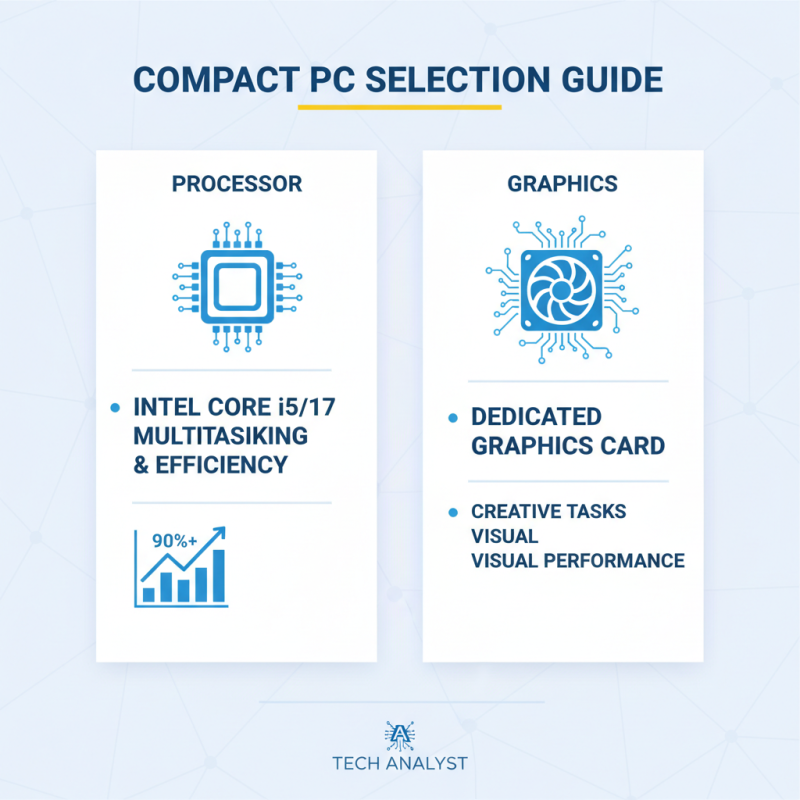
When selecting a compact PC for home or office use, several key specifications play a crucial role in ensuring that the device meets your needs. First, consider the processor type and performance. According to recent market data, Intel’s Core i5 and i7 processors are highly recommended for multitasking and running demanding applications, with a significant percentage of users reporting improved performance and efficiency. Additionally, the presence of a dedicated graphics card can enhance visual capabilities, making it essential for professionals in creative fields.
Another crucial specification to examine is memory and storage. A compact PC should ideally come equipped with at least 8GB of RAM to facilitate smooth operation and multitasking. Furthermore, opting for an SSD rather than an HDD can drastically improve load times and overall system responsiveness. Reports indicate that SSDs can provide up to five times faster read and write speeds compared to traditional hard drives, which can result in a substantial boost in productivity.
**Tips:** When making your choice, also evaluate the connectivity options available on the compact PC. Look for devices that offer multiple USB ports, HDMI outputs, and Wi-Fi 6 capabilities for faster networking. Additionally, factor in the design and space constraints of your workspace, as many compact PCs are designed to fit unobtrusively into smaller areas without sacrificing performance.
Evaluating Performance: Processors, RAM, and Storage Options
When selecting a compact PC for home or office use, evaluating the performance parameters such as processors, RAM, and storage options is crucial. Recent market analysis from Gartner indicates that processors with at least four cores have become the standard for most business applications, enabling smooth multitasking and efficient performance. For instance, Intel’s 11th Gen Core i5 processors or AMD’s Ryzen 5 series offer excellent price-to-performance ratios, delivering robust power for everyday tasks without compromising on energy efficiency.
RAM is another critical factor; the current industry standard is a minimum of 8GB, which is sufficient for typical office applications and light multitasking. However, a shift towards 16GB is becoming increasingly common as more applications demand higher memory throughput. According to a report by IDC, systems equipped with 16GB of RAM have shown up to 50% improvements in speed during heavy workloads, providing a noticeable enhancement in productivity for users managing complex tasks or running multiple applications simultaneously.
Lastly, storage options also play a pivotal role in the overall performance of a compact PC. Solid State Drives (SSDs) are now recommended for their superior speed compared to traditional Hard Disk Drives (HDDs). Studies show that systems with SSDs can boot up within seconds and load applications up to 4-5 times faster, significantly reducing waiting times and increasing work efficiency. Selecting a compact PC that combines these elements effectively will result in a device tailored to your needs, whether for personal or professional use.
Assessing Connectivity: Ports, Wireless Options, and Expansion Capabilities
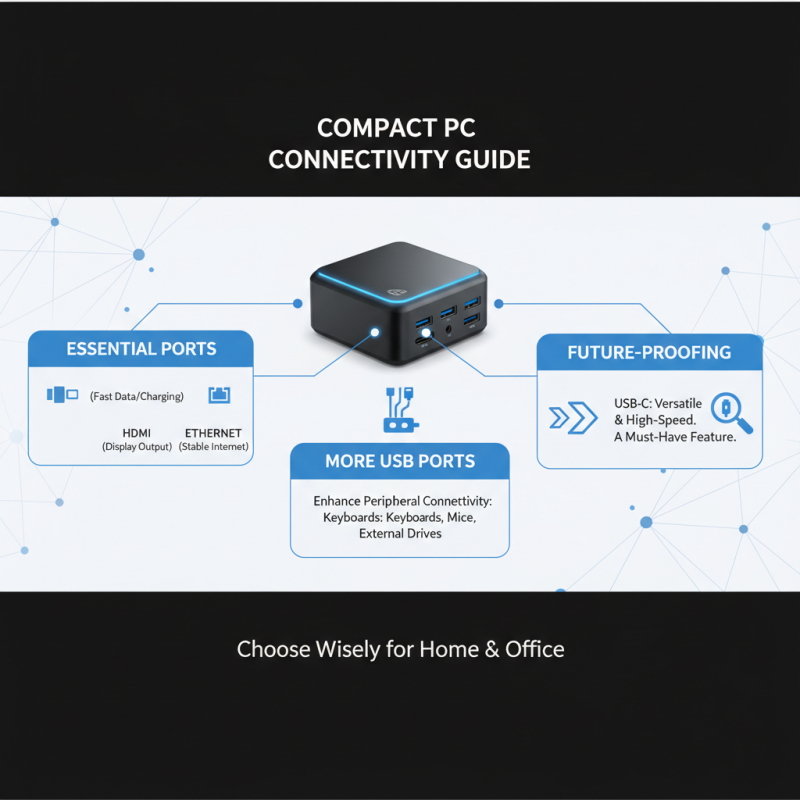
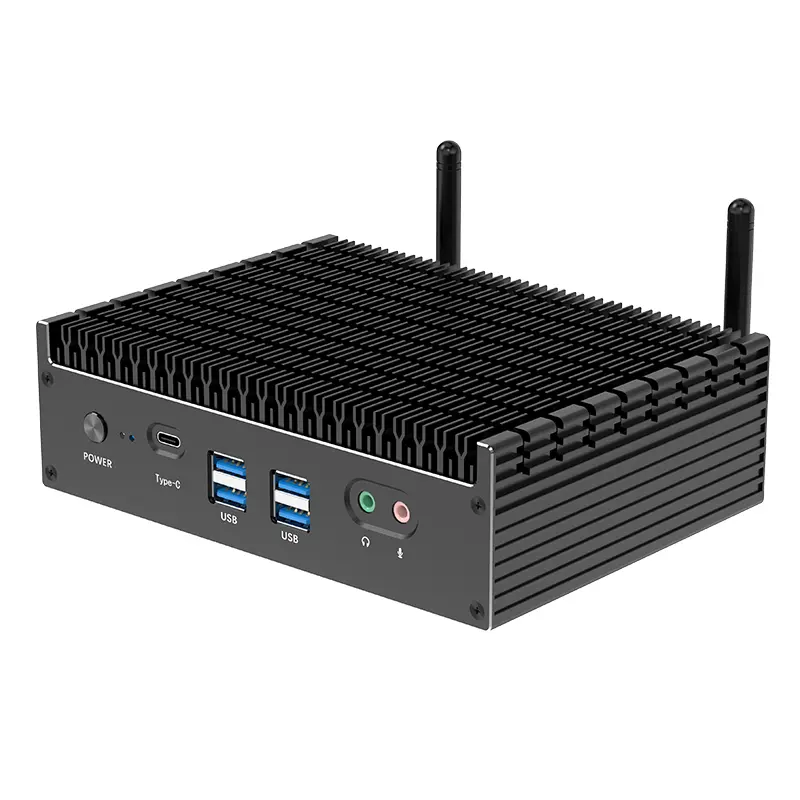
When choosing the best compact PC for your home or office, assessing connectivity options is crucial. Look for an array of ports including USB-C, HDMI, and Ethernet to ensure compatibility with your existing devices. USB-C ports are particularly valuable as they allow for fast data transfer and charging capabilities, making them a desirable feature. Additionally, consider how many USB ports are available; more ports can facilitate the connection of peripherals like keyboards, mice, and external drives without the need for additional hubs.
Wireless options also play a significant role in modern compact PCs. Ensure that the device supports the latest Wi-Fi standards for optimal speed and connectivity. Bluetooth capability is another important feature, allowing you to connect wireless devices seamlessly, thereby reducing cable clutter. Lastly, don’t overlook the expansion capabilities—whether through additional slots for RAM or storage, or compatibility with docking stations. A good compact PC should offer flexibility for future upgrades, ensuring that your investment remains relevant as technology evolves.
Budgeting for Your Compact PC: Cost Considerations and Value for Money
When selecting a compact PC for your home or office, budgeting is a critical consideration that can greatly impact your overall satisfaction with your purchase. Compact PCs can range from budget-friendly options to high-performance machines, making it essential to determine your specific needs and how much you are willing to allocate. Research shows that investing wisely results in better value for money, emphasizing the importance of comparing features against prices. Take into account not only the initial cost but also potential long-term expenses like upgrades and maintenance.
Moreover, it's advisable to explore budgeting tools that help manage and plan your finances effectively. With various apps available now, users can track their spending and set limits, which can aid in making informed choices when shopping for a compact PC. As the market evolves, recognizing the best time to purchase—such as during sales or promotions—can lead to significant savings, allowing you to obtain a high-quality compact PC without breaking the bank.

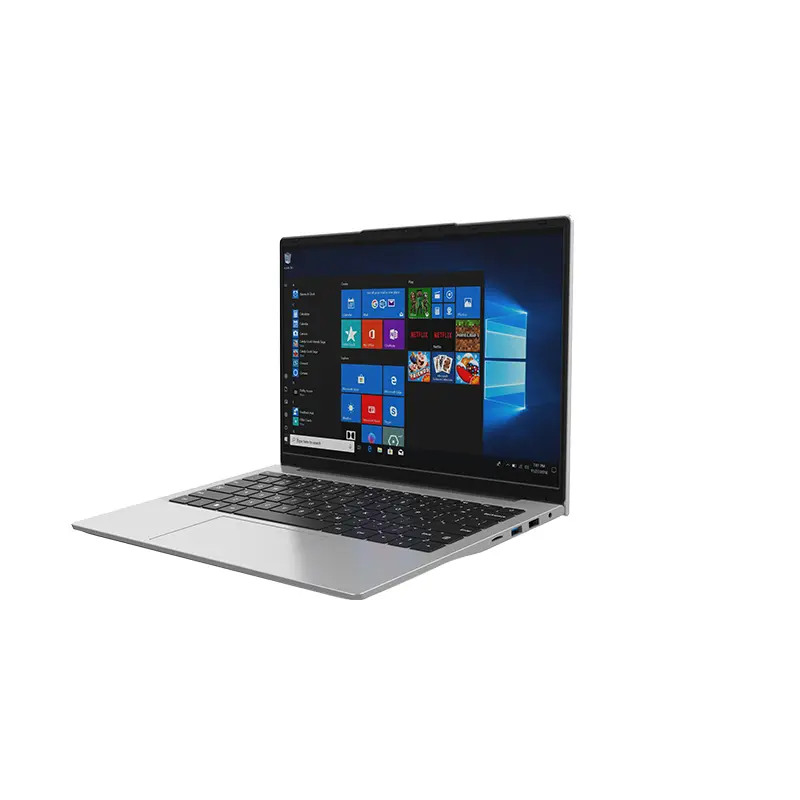 14 Inch Office Notebook
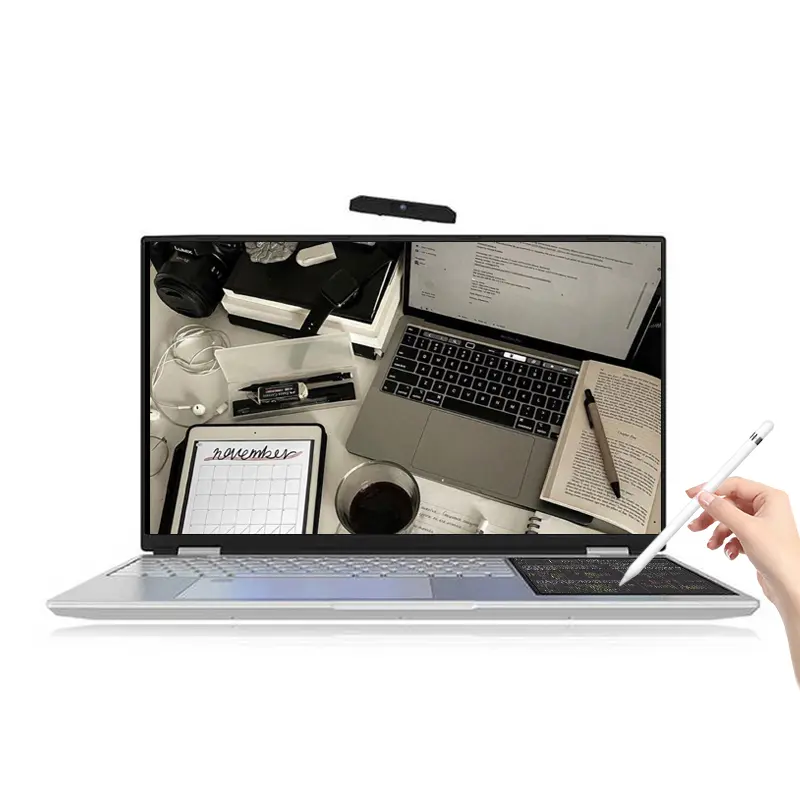 Dual Screen Laptop
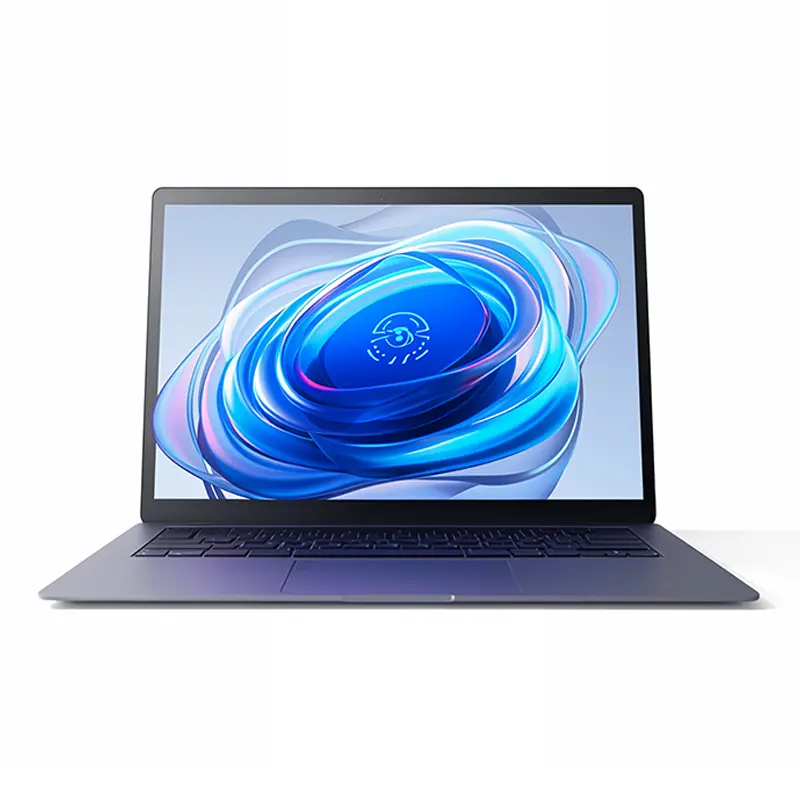
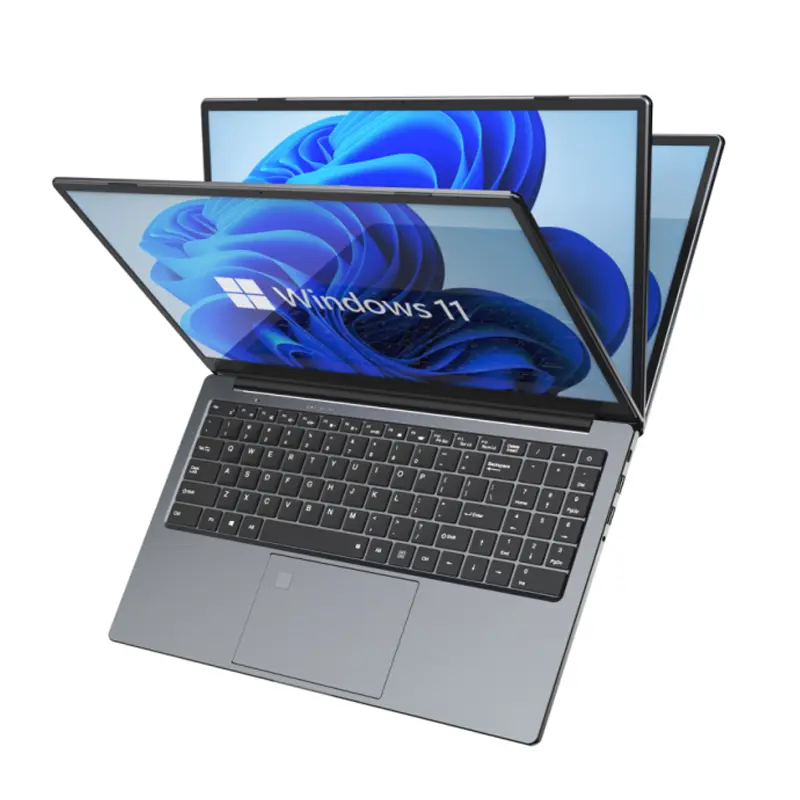 Fingerprint Business Notebook
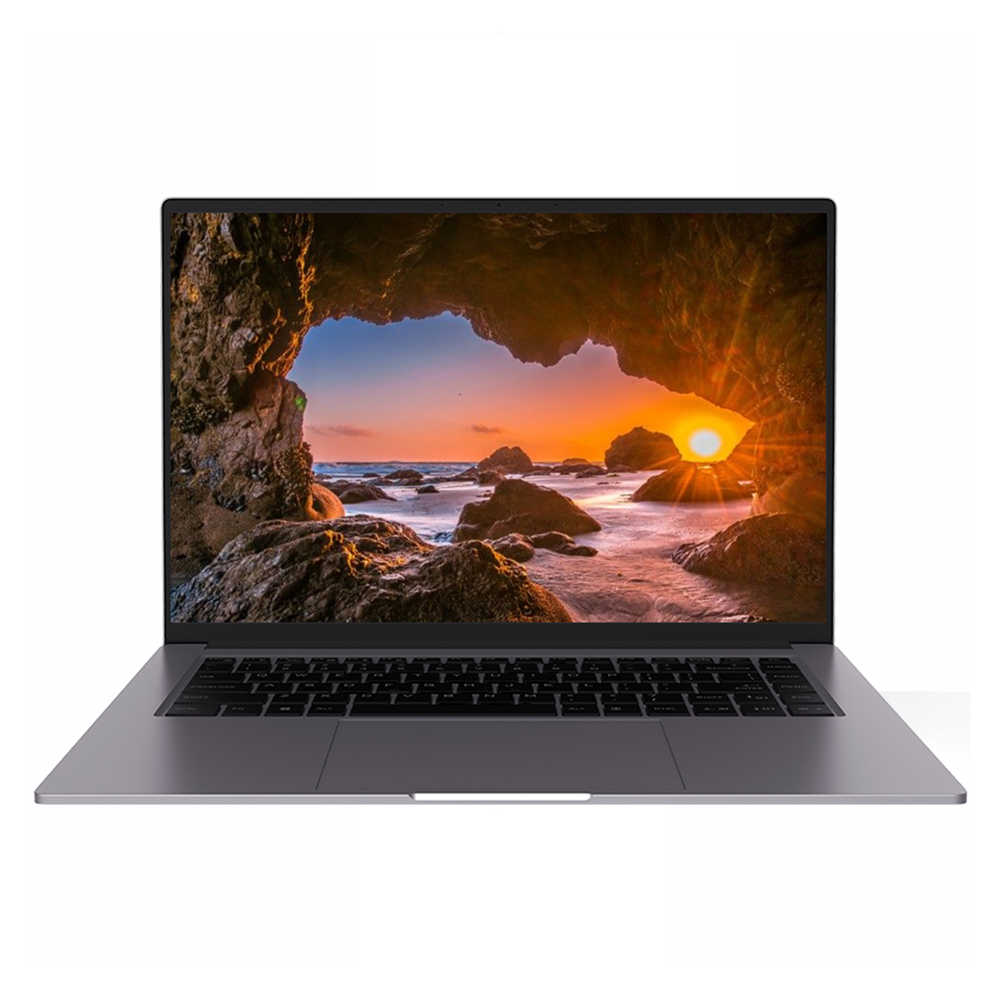
 Big Screen Laptop
 HD Gaming Laptop
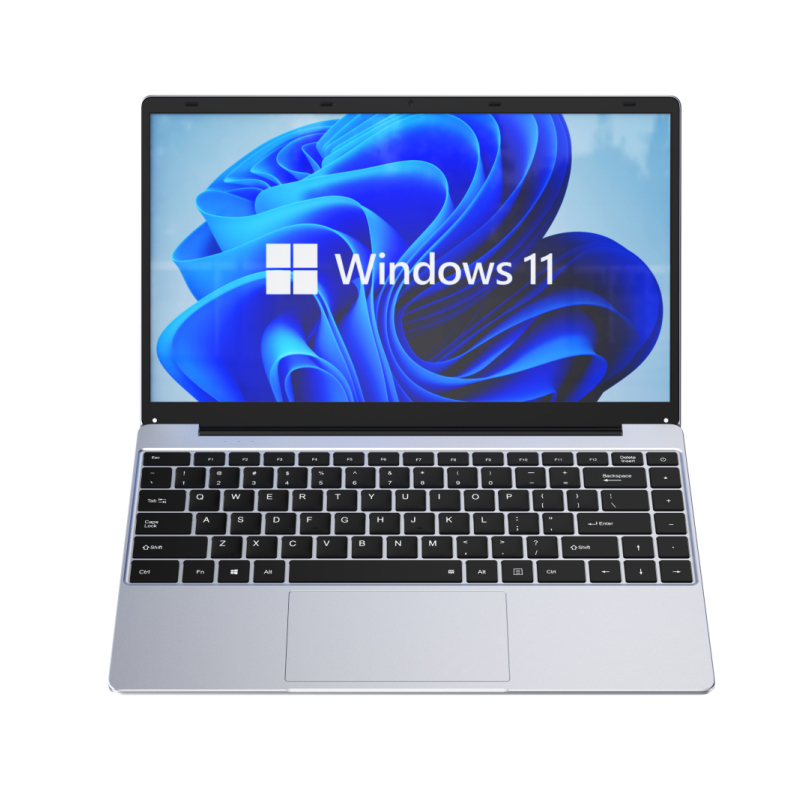 14.1 Inch Student laptops
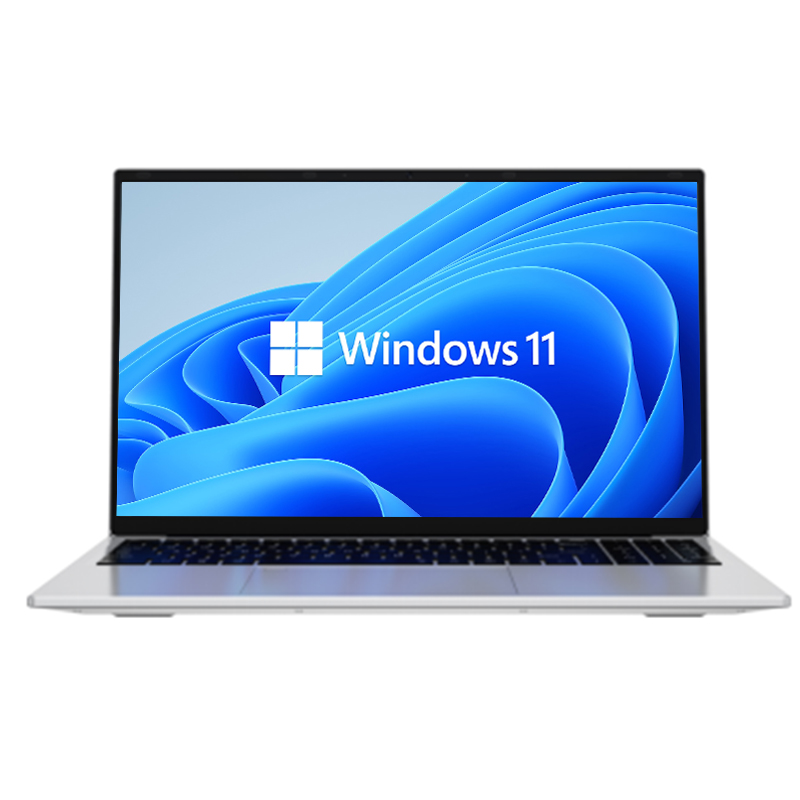 16.1 Inch Office Laptops
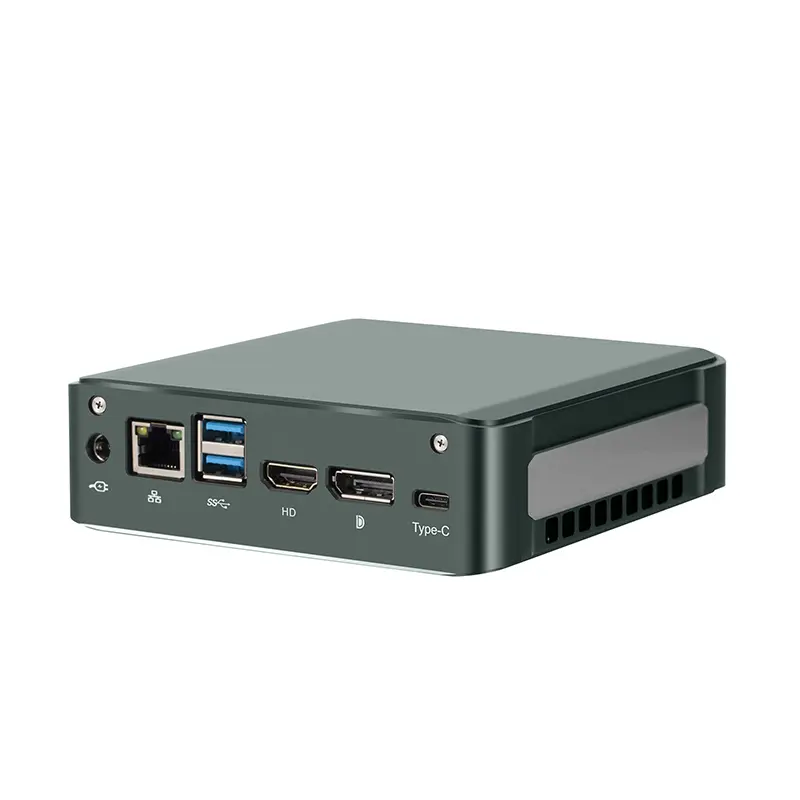 Home Mini Host
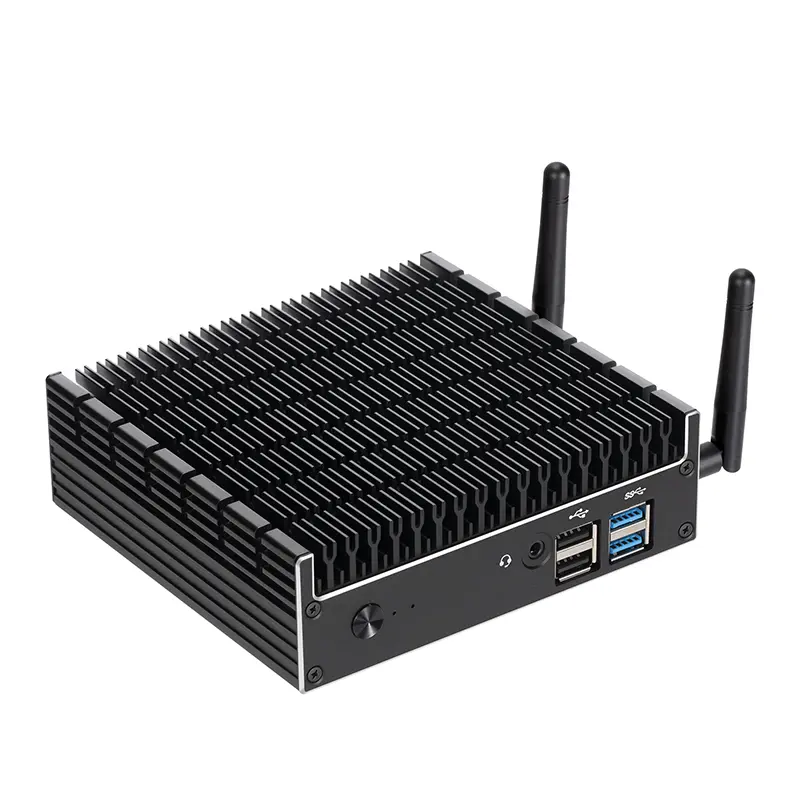 Industrial Micro PC
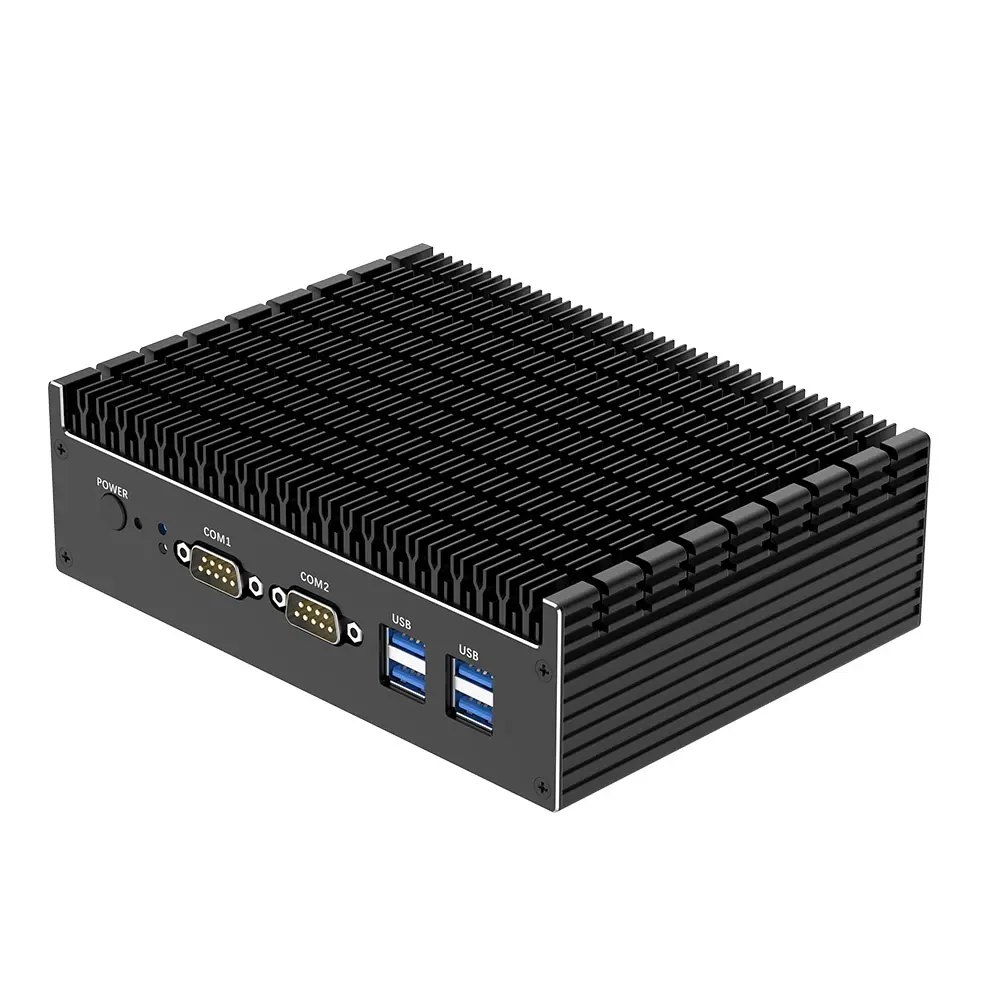 Fanless Industrial Mini PC
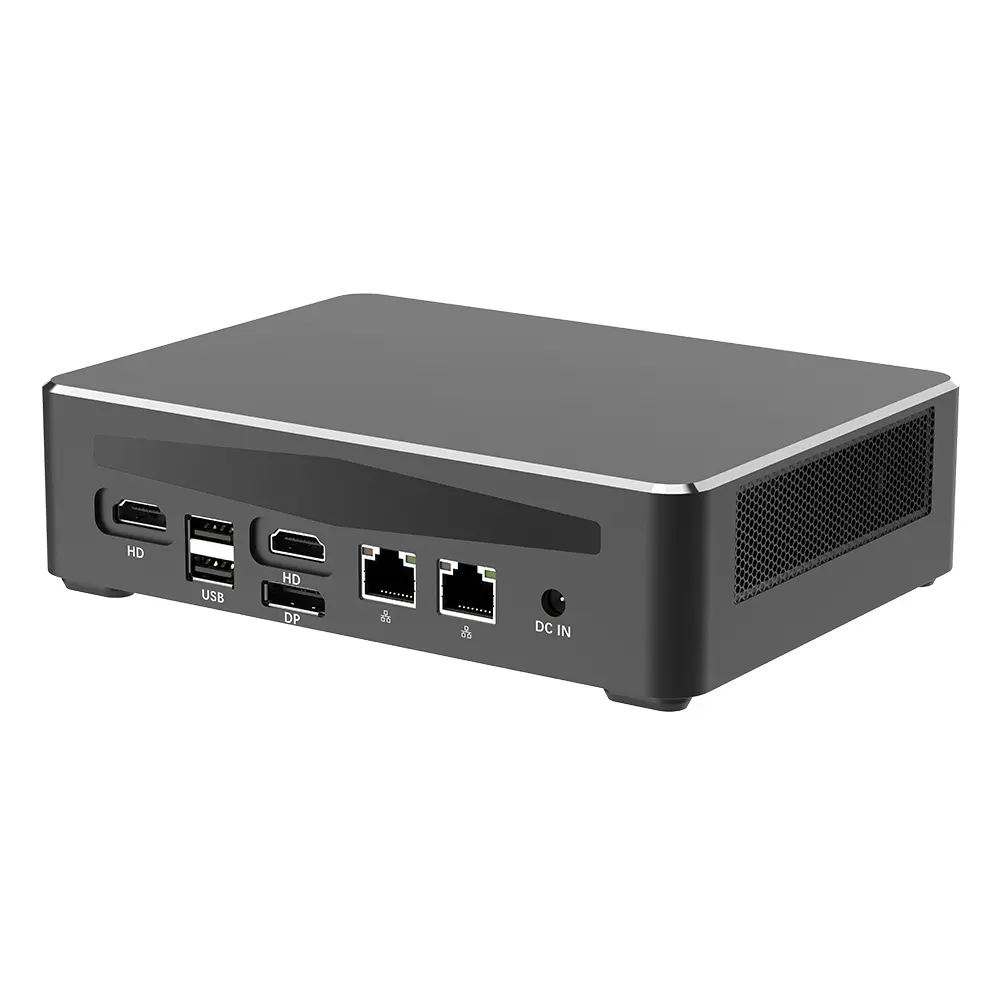 Commercial Mini PC
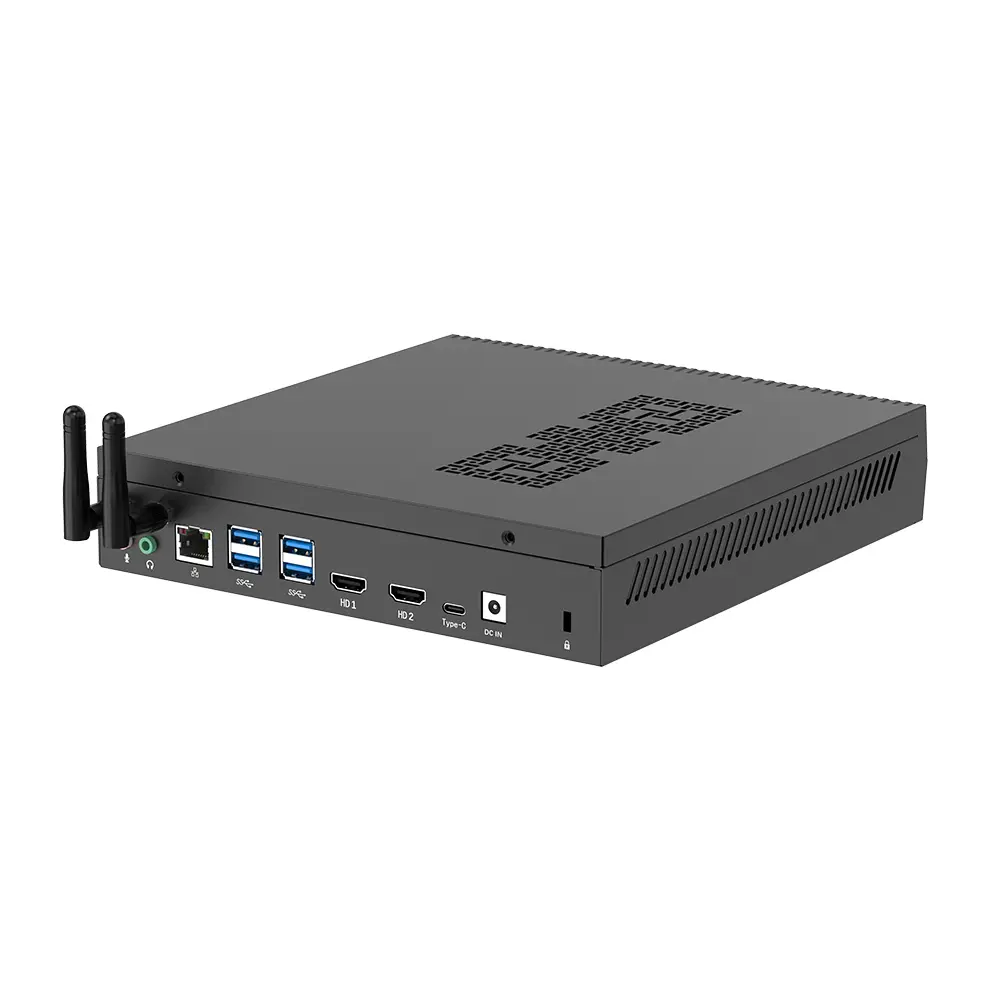 RTX3050TI Game Mini PC
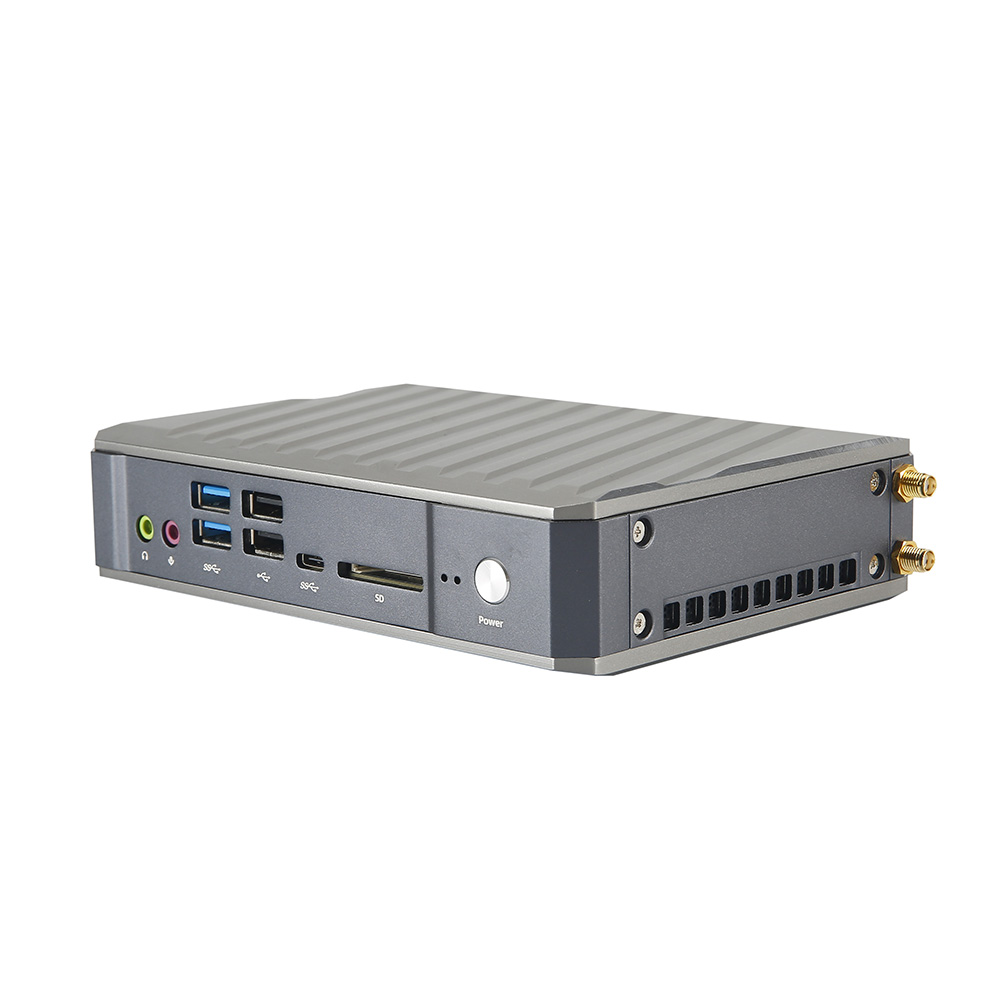 Micro Mini PC
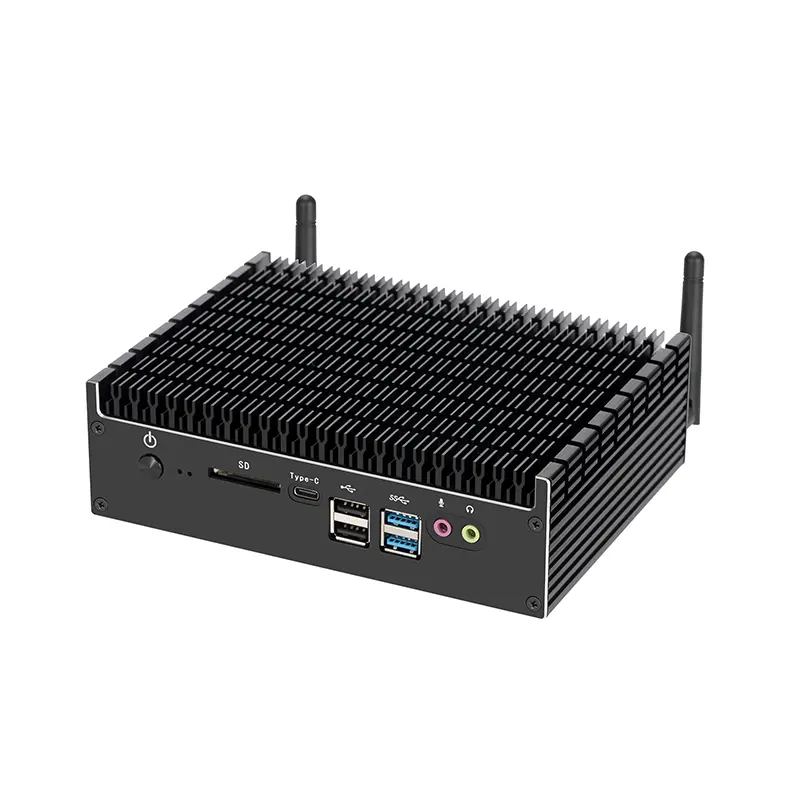 Fanless Mini PC
 High-end Mini PC
 More
More Micro ATX Computer Motherboard