What is a Compact PC and Why Should You Consider One?
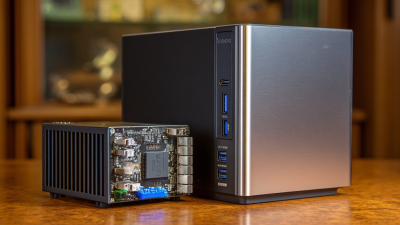
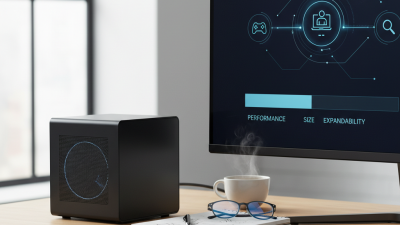
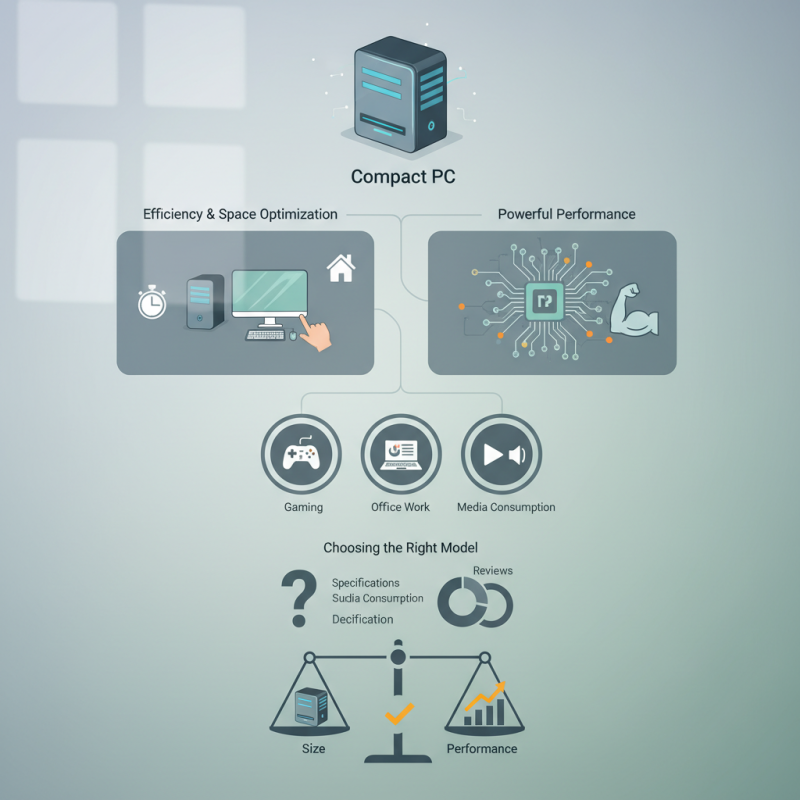
In today’s fast-paced world, a Compact PC offers an ideal solution for those seeking efficiency and space optimization. Many individuals and businesses struggle with traditional desktop setups that consume too much room. A Compact PC addresses this issue, delivering powerful performance in a sleek design. These devices are increasingly popular due to their portability and versatility.
Moreover, Compact PCs provide a range of specifications to suit various needs. Whether for gaming, office work, or media consumption, there's a Compact PC that can handle the task effectively. This variety can create confusion for buyers. Understanding your requirements becomes crucial when choosing the right model. The market is flooded with options, making informed decision-making essential.
While the benefits are clear, potential buyers should reflect on their own needs. Some users find certain models may underperform in specific tasks. Balancing performance with size is not always straightforward. It’s worthwhile to dive deeper into reviews and specifications to grasp what a Compact PC can realistically deliver. This approach ensures a purchase aligns well with your expectations.
What Defines a Compact PC in Today's Technology Landscape
In today's technology landscape, a compact PC stands out for its minimalist design and efficient performance. By definition, a compact PC is a small form factor computer, often with reduced dimensions compared to traditional desktops. According to market research from IDC, the demand for compact PCs has surged by over 30% in recent years, driven by remote work and space-saving needs.
Compact PCs offer several key advantages. Their smaller size allows for portability, making them suitable for home offices, small businesses, and even travel. Many users appreciate that these devices maintain high processing power without occupying much desk space. Interestingly, studies show that 67% of users reported increased productivity after switching to compact PCs. However, these systems can pose challenges. Their limited upgrade paths might restrict users, especially those who require extensive hardware modifications.
Performance-wise, compact PCs have come a long way. They utilize advanced cooling technologies to manage heat efficiently, ensuring smooth operation. Yet, some models may struggle with demanding applications or gaming. As the market develops, consumers need to evaluate whether a compact PC aligns with their specific needs. Balancing size, performance, and potential limitations is crucial in making an informed purchase.
Key Advantages of Compact PCs Over Traditional Desktop Models
Compact PCs are catching attention for their sleek designs and impressive performance. These systems typically take up less space, making them ideal for modern homes and offices. A recent industry report indicated that compact PC sales have increased by 40% over the past year, as more users prioritize efficient usage of space without compromising functionality.
One of the main advantages of compact PCs is energy efficiency. They usually consume less power than traditional desktops. According to the Energy Star program, compact systems can save up to 50% on energy costs. This advantage not only benefits the environment but also reduces long-term costs for users. Additionally, they are equipped with advanced cooling systems, which helps prevent overheating and prolongs hardware lifespan.
When considering a compact PC, think about your needs. Choose a model that meets your performance requirements without unnecessary extras. A smaller size doesn’t mean limited functionality; many compact PCs come with powerful processors and ample storage. Don’t overlook connectivity options either, as these can significantly enhance your user experience. Always read up-to-date reviews and expert opinions to ensure you make an informed choice.
What is a Compact PC and Why Should You Consider One? - Key Advantages of Compact PCs Over Traditional Desktop Models
| Feature |
Compact PC |
Traditional Desktop |
Advantage |
| Size |
Typically smaller than 5 liters |
Usually over 20 liters |
More space-efficient |
| Portability |
Highly portable |
Bulky and less portable |
Easier to move around |
| Energy Efficiency |
Generally more energy-efficient |
Higher power consumption |
Lower electricity costs |
| Noise Levels |
Quieter operation |
Can be noisy |
Better for quiet environments |
| Upgradeability |
Limited upgrade options |
More upgradeable components |
More future-proof |
| Aesthetic Design |
Modern, sleek designs |
Bulkier, less modern design |
More visually appealing |
Market Trends: The Rise of Compact PCs in Consumer Electronics
The compact PC market is experiencing significant growth. Reports indicate that sales of compact PCs surged by 35% in 2022. This rise reflects a shift towards more efficient computing solutions. Consumers increasingly prefer smaller, more portable devices for both work and personal use.
One reason for this trend is the demand for space-saving technology. Homes and offices are becoming more crowded. As a result, many consumers seek devices that fit into limited spaces without sacrificing performance. Compact PCs often come equipped with powerful processors and ample storage, making them suitable for various tasks.
Additionally, the environmental impact of device production is under scrutiny. Compact PCs typically consume less energy compared to traditional desktops. According to a recent analysis, these systems can reduce energy costs by up to 40%. However, not all compact PCs offer the same efficiency. Choosing the right model can be challenging, requiring consumers to weigh performance against footprint and energy use.
Growth of Compact PCs in Consumer Electronics (2020-2023)
The chart above illustrates the significant increase in global sales of compact PCs from 2020 to 2023. The data indicates a growing trend in consumer electronics, highlighting the increasing preference for space-saving computing solutions.
Performance Metrics of Compact PCs vs. Conventional PCs
Compact PCs have gained traction for their unique balance of size and performance. In various performance benchmarks, compact PCs often match or exceed traditional desktop models. A recent report from IDC shows that compact PCs can deliver processing power comparable to systems with larger form factors. This includes multi-core processors that efficiently handle demanding tasks, making them ideal for a range of applications.
When evaluating graphics performance, compact PCs tend to leverage integrated solutions effectively. According to a study by Jon Peddie Research, many compact systems use advanced graphics chips that can outperform discrete options in less demanding scenarios. This can yield a smoother experience in everyday tasks and casual gaming. However, these setups may struggle under heavy graphics loads. Users should consider their specific needs before fully committing.
Compact PCs excel in energy efficiency as well. The U.S. Department of Energy indicates that smaller systems consume less power, leading to lower operational costs. Still, this doesn’t mean they have no limitations. Users should be aware that upgradability is often restricted in compact models compared to traditional PCs. Choosing a compact PC requires careful consideration of both performance needs and potential future use cases.
Use Cases: Where Compact PCs Excel in Personal and Professional Settings
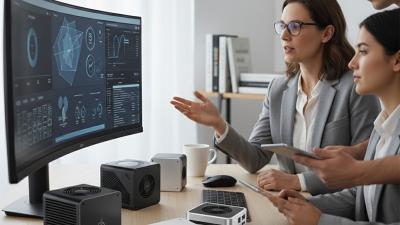
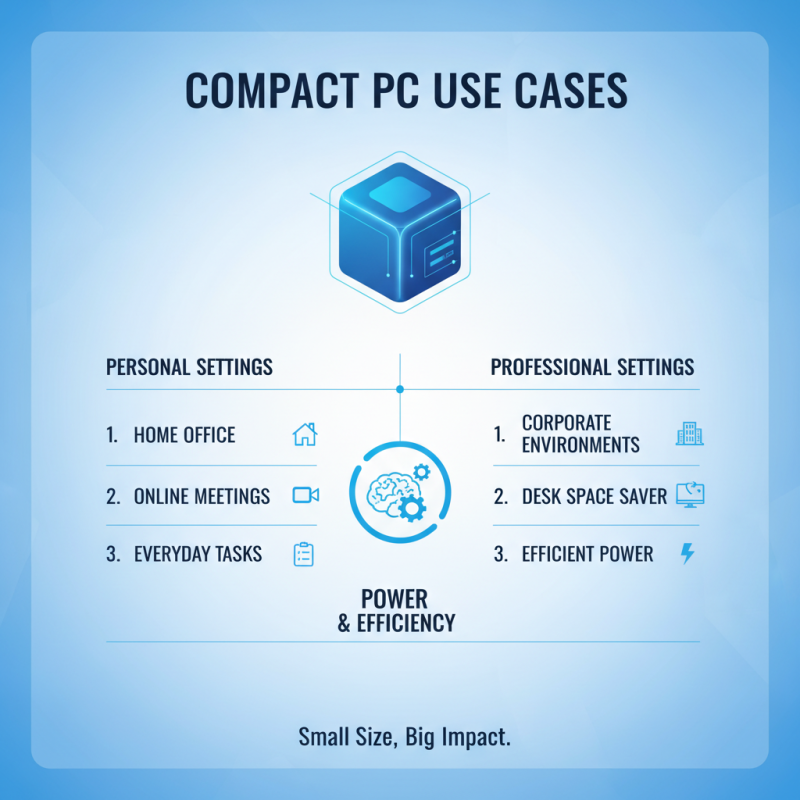
Compact PCs are emerging as powerful tools for both personal and professional use. Their small size allows them to fit seamlessly into any workspace. Whether in a home office or a corporate environment, they save valuable desk space. Many individuals enjoy their use for online meetings and everyday tasks. They provide just enough power without being cumbersome.
In professional settings, compact PCs excel in collaborative spaces. Team members can connect easily, utilizing multiple devices without cluttering the room. However, users should consider their specific needs. Some may require more processing power than a compact PC offers, especially for tasks like video editing or gaming. It’s crucial to assess performance capabilities before deciding.
Personal settings also benefit from compact PCs. Gaming enthusiasts enjoy their sleek design, but there are trade-offs. Not every compact PC can handle demanding games or applications smoothly. They are often seen as just adequate for browsing or streaming. These limitations must be weighed carefully against one’s usage patterns and expectations.

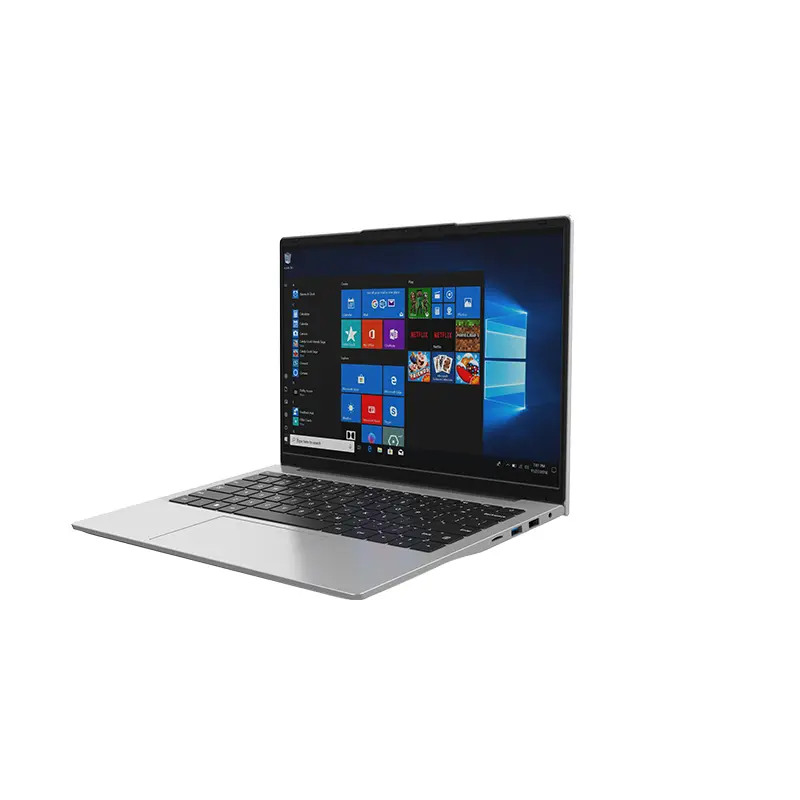 14 Inch Office Notebook
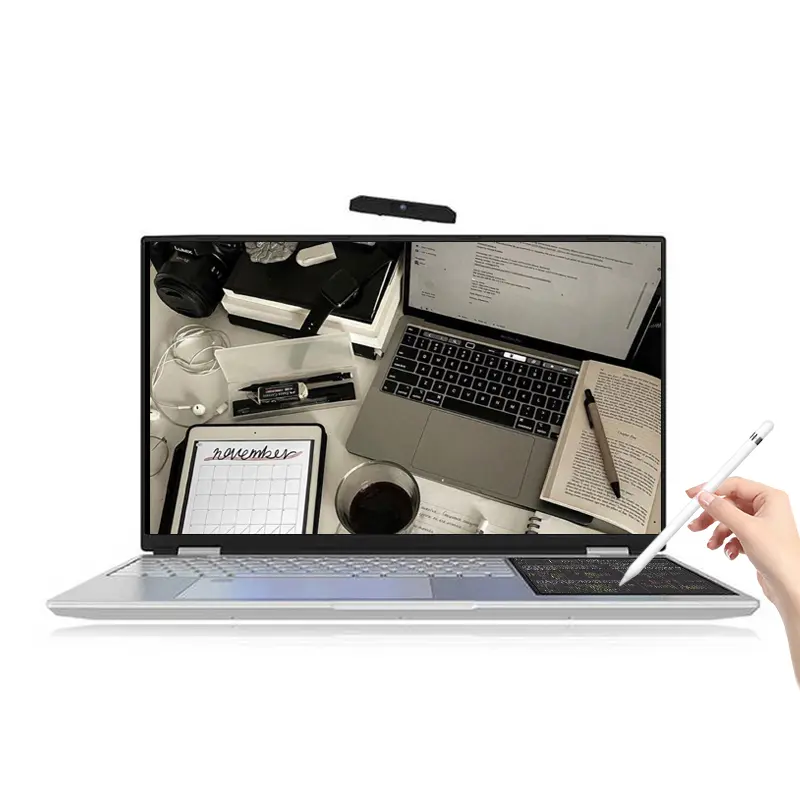 Dual Screen Laptop
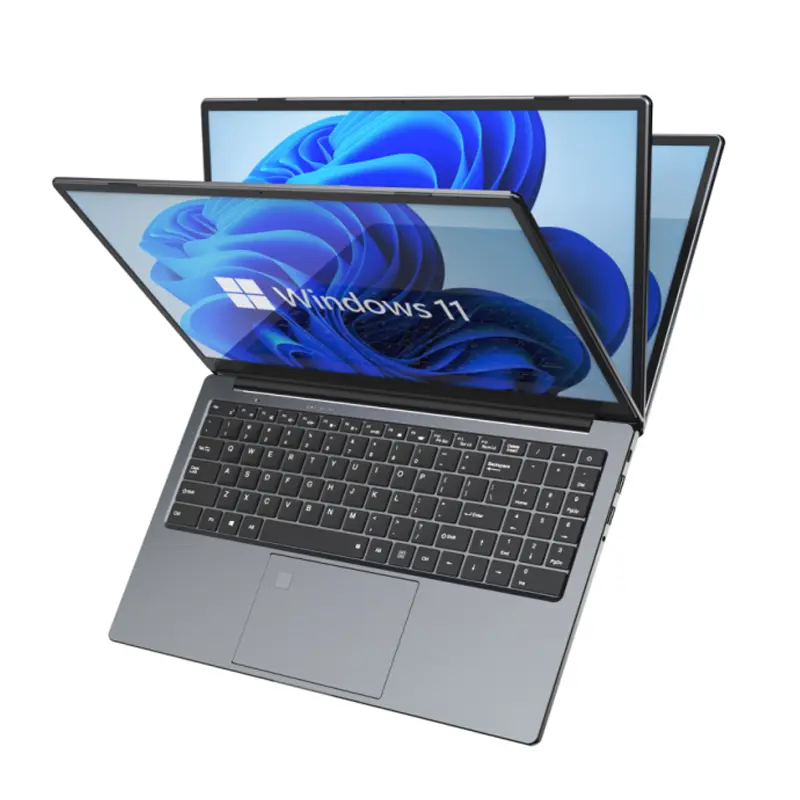 Fingerprint Business Notebook
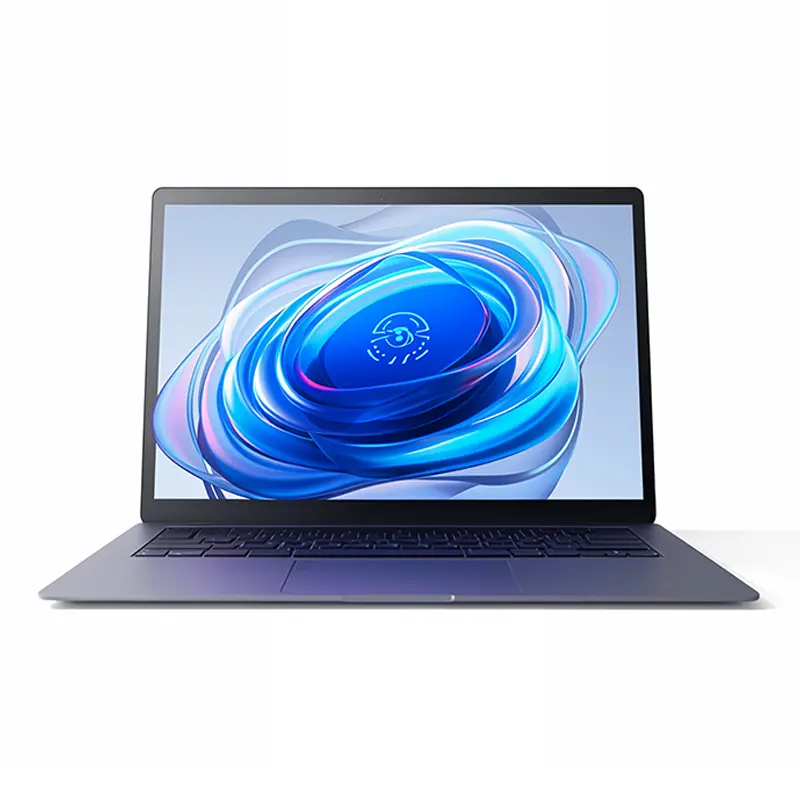 Big Screen Laptop
 HD Gaming Laptop
 14.1 Inch Student laptops
 16.1 Inch Office Laptops
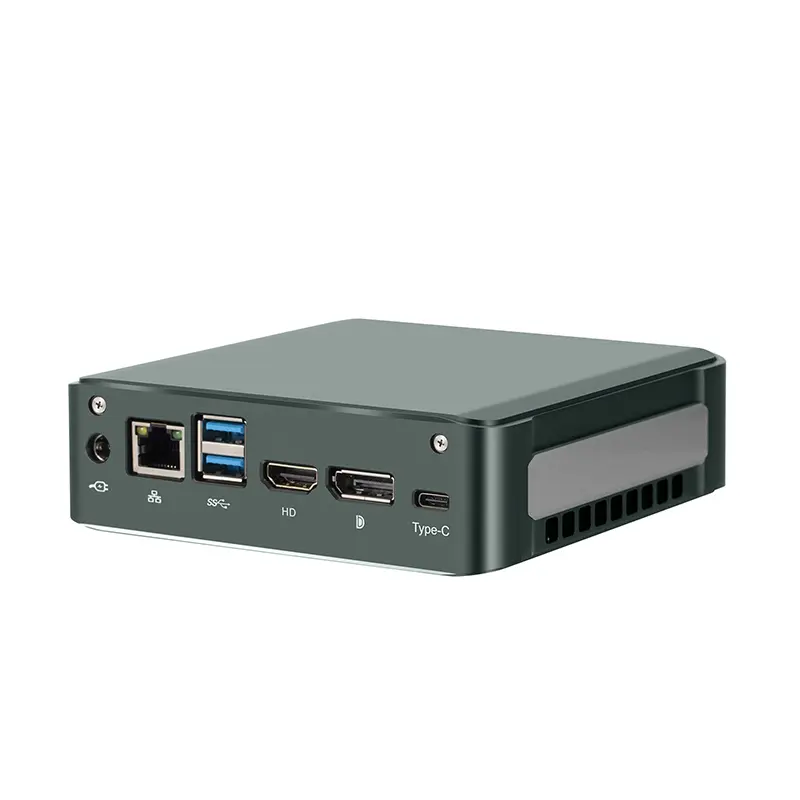 Home Mini Host
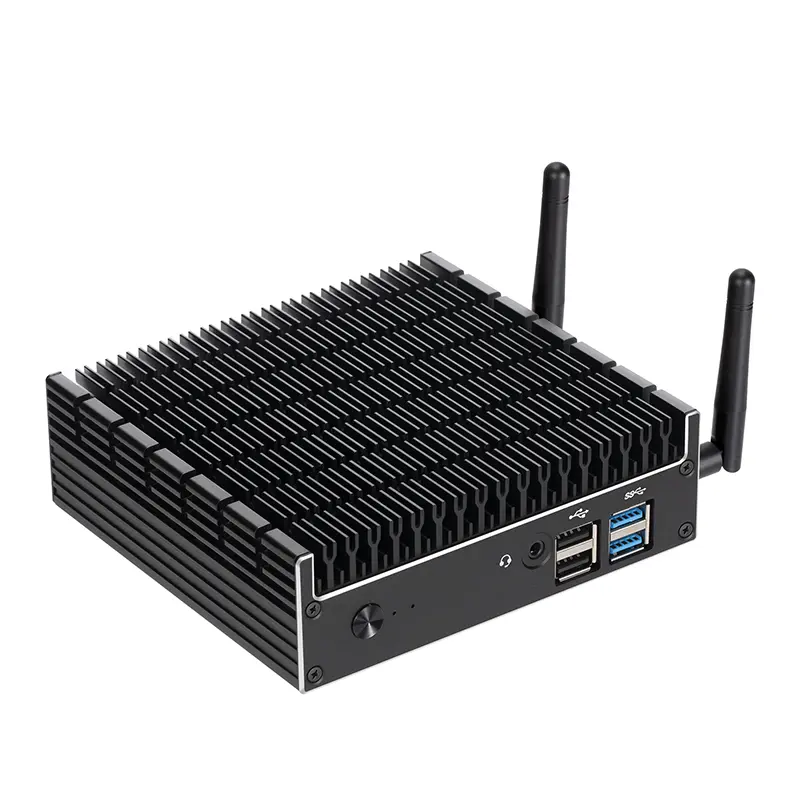 Industrial Micro PC
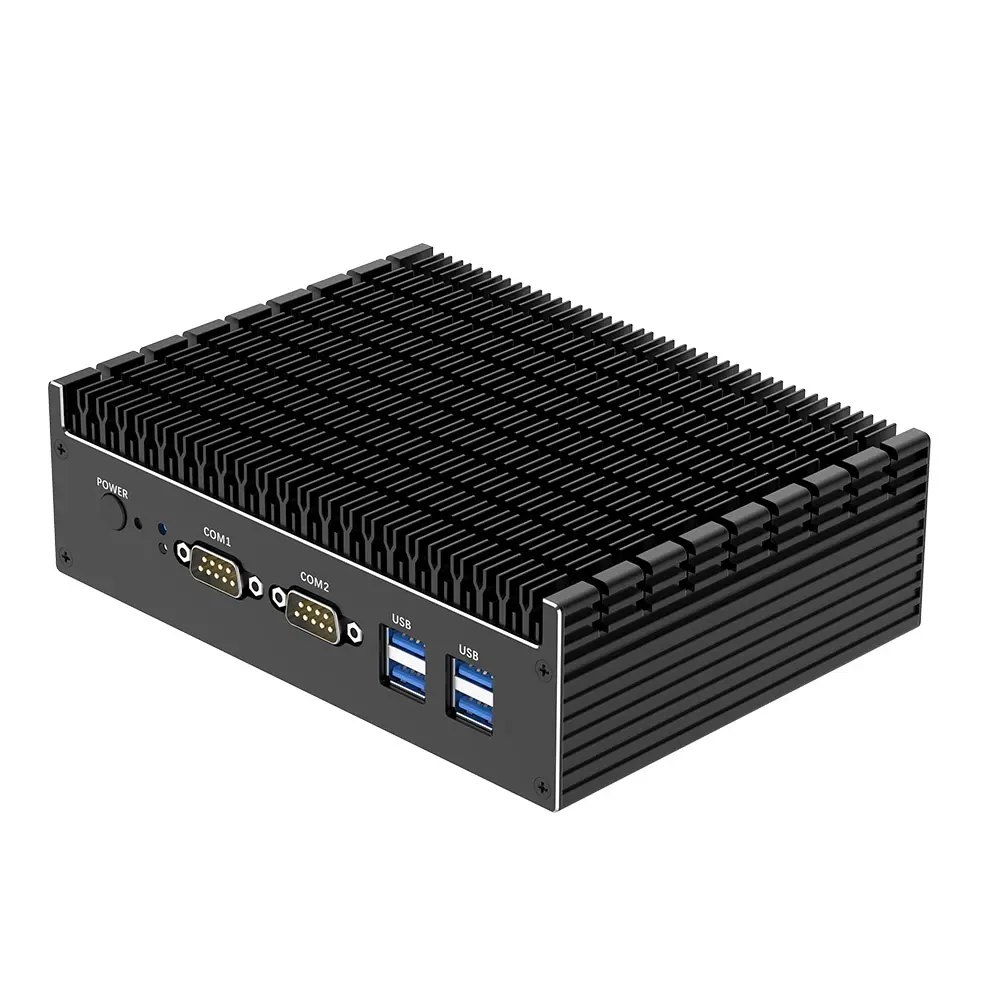 Fanless Industrial Mini PC
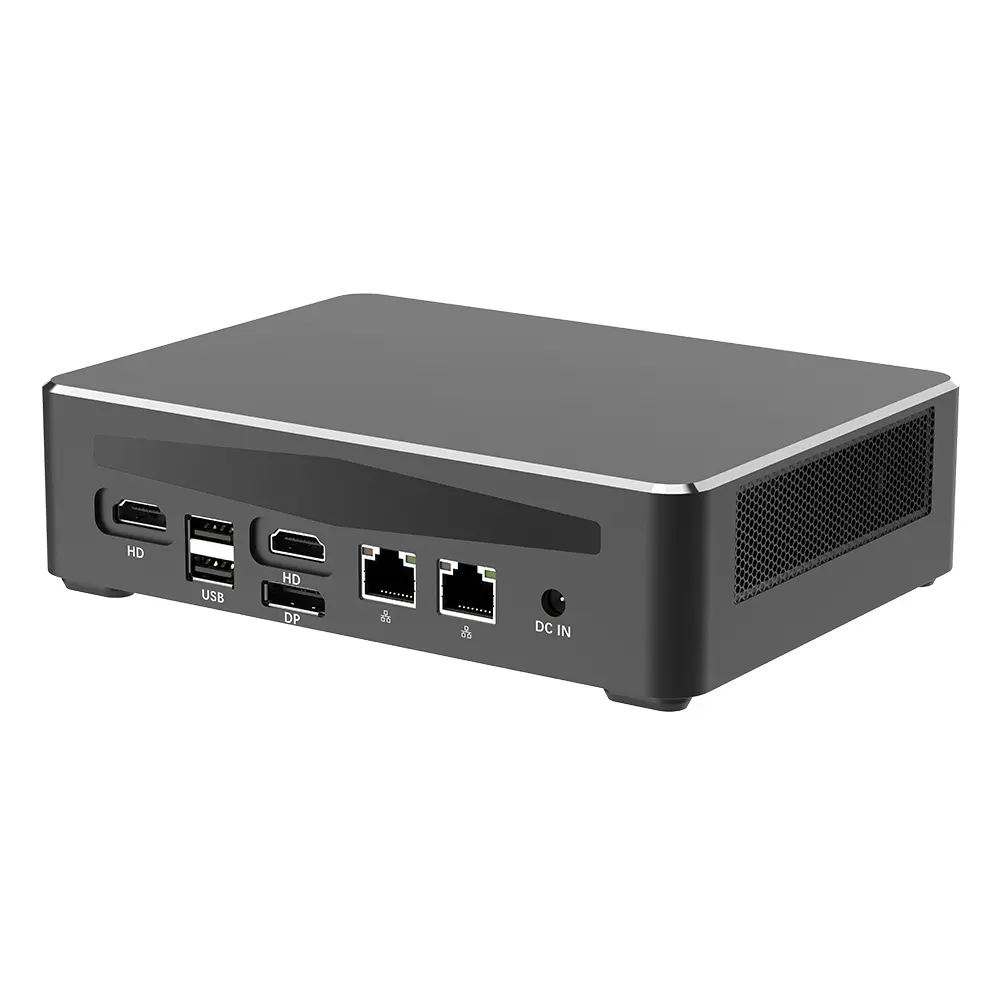 Commercial Mini PC
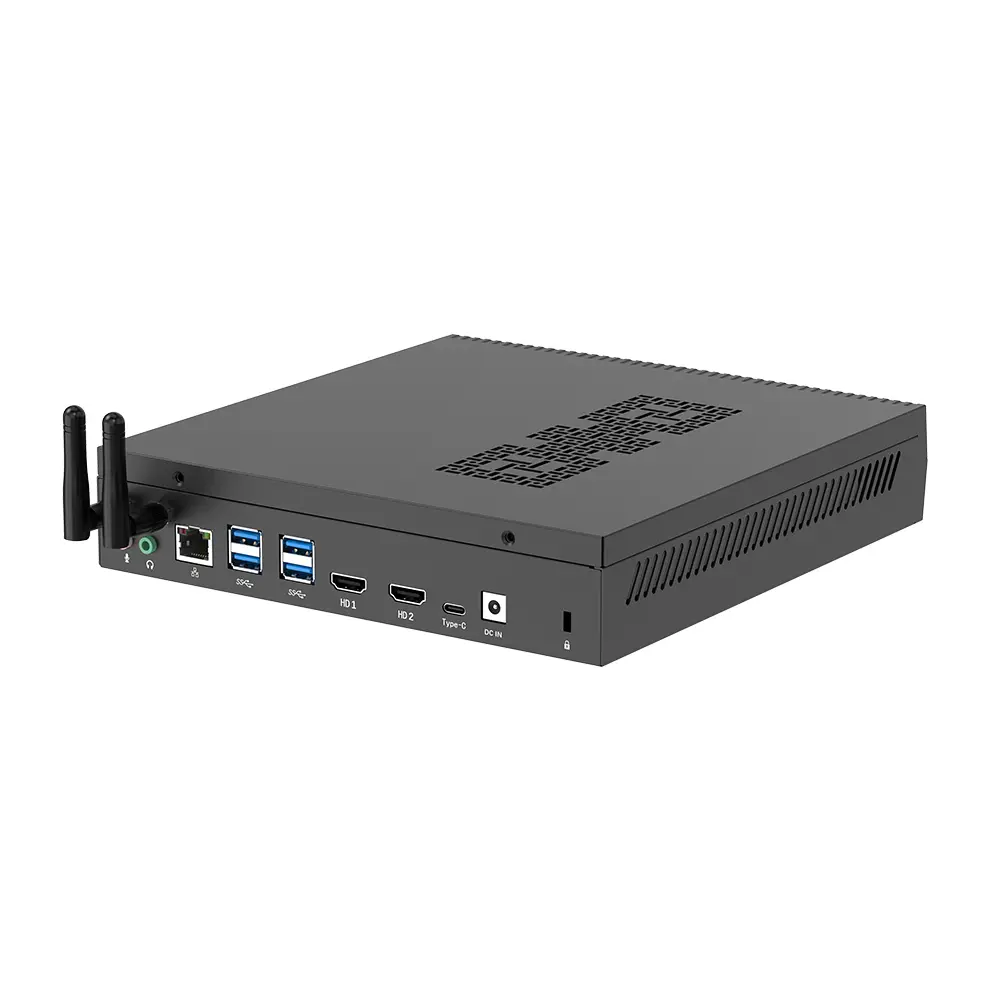 RTX3050TI Game Mini PC
 Micro Mini PC
 Fanless Mini PC
 High-end Mini PC
 More
More Micro ATX Computer Motherboard