What is a Mini Desktop PC? Benefits, Features, and Buying Tips
In recent years, the Mini Desktop PC, or "PC De Bureau Mini," has gained significant popularity among users looking for compact yet powerful computing solutions. These small-sized computers offer an impressive blend of performance and space-saving design, making them ideal for both home and office use. With advancements in technology, Mini Desktop PCs now boast capabilities that rival traditional desktop computers, allowing users to enjoy high-quality performance in a smaller footprint.
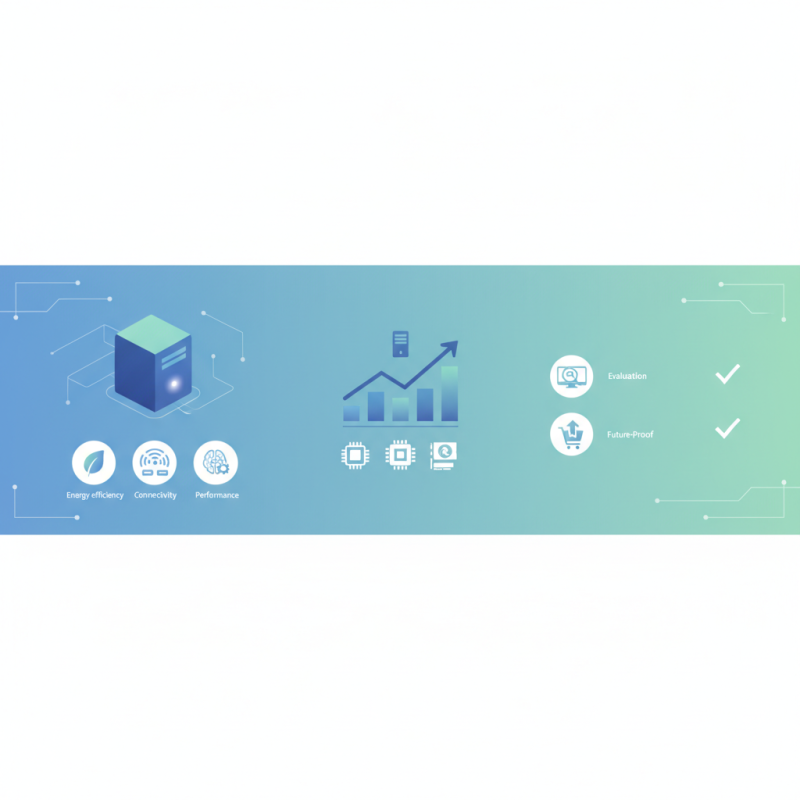
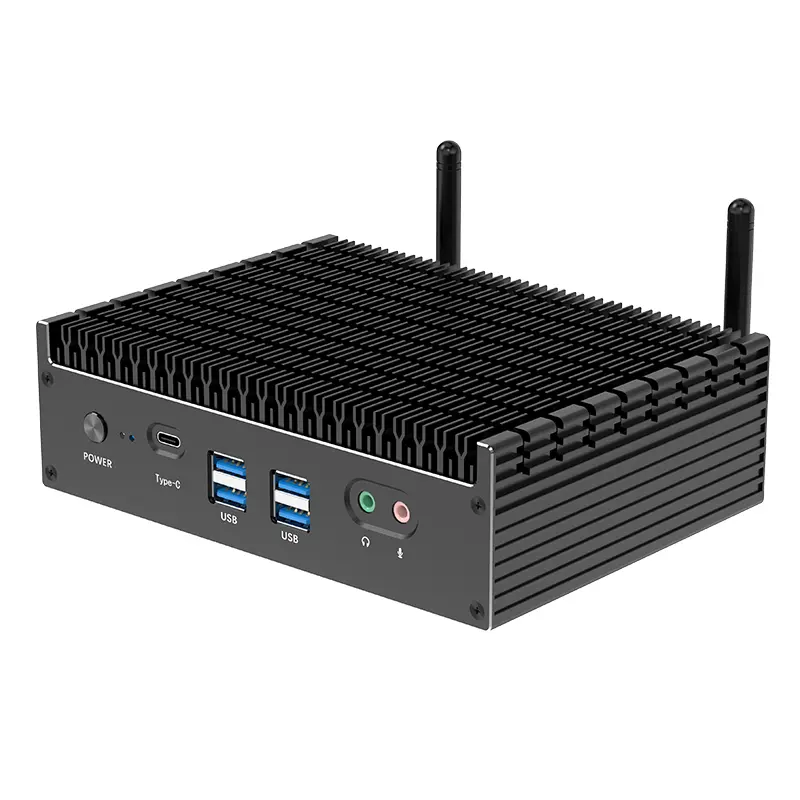
The benefits of a Mini Desktop PC extend beyond their size. They often feature energy-efficient components, making them a more sustainable choice for environmentally-conscious consumers. Additionally, these devices can offer excellent connectivity options, including multiple ports and wireless capabilities, catering to the diverse needs of modern users. For students, remote workers, and anyone in need of a versatile computing solution, a "PC De Bureau Mini" can be an excellent investment.
When considering a Mini Desktop PC, potential buyers should evaluate various features to ensure they meet their specific requirements. From processing power and storage capacity to graphics capabilities and design aesthetics, understanding these elements can help consumers make informed decisions. As this category of computers continues to evolve, the Mini Desktop PC represents a compelling choice for those seeking efficiency and convenience in their computing experience.
What is a Mini Desktop PC and How Does It Differ from Standard PCs?
A mini desktop PC is a compact version of a traditional desktop computer, designed to offer powerful performance while occupying minimal space. Typically, mini PCs measure around 5 to 7 inches in height and width, significantly smaller than their standard counterparts, which usually exceed a foot in dimensions. This compact design makes mini PCs an attractive option for offices, small workspaces, and home environments where space is at a premium. According to a report by ResearchAndMarkets, the global mini PC market is projected to grow at a CAGR of around 8.9% from 2021 to 2026, driven by the increasing demand for space-saving computing solutions.
Unlike standard desktop PCs, which are often built for high-performance gaming or intensive graphic work, mini desktop PCs are optimized for everyday tasks such as web browsing, document creation, and media consumption. They can be equipped with modern processors and sufficient RAM to handle multitasking needs effectively. A study by Markets and Markets suggests that by 2025, around 30% of consumers will prefer mini PCs due to their efficiency and lower power consumption compared to traditional desktops. This efficiency not only benefits users in terms of electrical costs but also contributes to a lower overall carbon footprint, aligning with growing trends toward sustainability in technology.
Key Features of Mini Desktop PCs You Should Know About
Mini desktop PCs have surged in popularity due to their compact size and high performance capabilities. One of the key features to consider when exploring mini desktop PCs is the processing power they offer. Many mini PCs now come equipped with advanced processors, such as Intel's Core i5 or AMD's Ryzen 5, which can handle multiple tasks efficiently, making them suitable for both work and entertainment. According to a report by IDC, the mini PC market is expected to grow at a CAGR of 11.7% from 2021 to 2026, a testament to their increasing acceptance among consumers looking for space-saving solutions without compromising on performance.
Another crucial feature is energy efficiency. Mini desktop PCs typically consume significantly less power compared to traditional desktops. A study from the U.S. Department of Energy revealed that mini PCs can use up to 70% less energy, which not only lowers electricity bills but also supports sustainability initiatives. Furthermore, the compact design of these machines often allows for better thermal management, meaning they operate at cooler temperatures without the need for large cooling systems. This efficiency not only extends the lifespan of the device but also enhances overall functionality in various environments, from home offices to gaming setups.
What is a Mini Desktop PC? Benefits, Features, and Buying Tips
| Feature |
Details |
| Size |
Compact and lightweight, typically between 1-5 liters in volume. |
| Performance |
Powerful enough for everyday tasks, multimedia consumption, and light gaming. |
| Energy Efficiency |
Lower power consumption compared to traditional desktops. |
| Upgradeability |
Often limited upgrade options; some models allow RAM and storage upgrades. |
| Connectivity |
Multiple USB ports, HDMI/DisplayPort, Ethernet, and sometimes Wi-Fi and Bluetooth. |
| Operating System |
Typically compatible with Windows, Linux, and other operating systems. |
| Price Range |
Ranges from budget models under $200 to more powerful configurations over $1000. |
Advantages of Choosing a Mini Desktop PC for Your Computing Needs
Mini desktop PCs have gained popularity due to their compact size and versatility, making them an excellent choice for various computing needs. One significant advantage of these devices is their space-saving design, which allows users to maximize their workspace without compromising on performance. Ideal for small offices, dorm rooms, or even home entertainment setups, mini desktop PCs offer a perfect blend of functionality and convenience.
When considering a mini desktop PC, it's essential to focus on specific features that align with your usage requirements. Look for models with adequate processing power and memory to handle your daily tasks efficiently. Additionally, various connectivity options, such as USB ports and HDMI outputs, can enhance the usability of these compact machines.
**Tips:** Before making a purchase, evaluate your primary usage scenario. If gaming or heavy graphic design is your goal, prioritize higher specs to avoid lag. Conversely, if your needs are more towards general web browsing or office applications, you might find a mid-range option sufficient. Also, check for upgradeability – some models allow users to enhance storage or memory later, which can extend the life of the PC.
Benefits of Mini Desktop PCs
This bar chart illustrates the various advantages of choosing a Mini Desktop PC. The benefits evaluated include space saving, energy efficiency, portability, cost-effectiveness, and performance, showcasing how Mini Desktop PCs meet diverse computing needs effectively.
Factors to Consider When Buying a Mini Desktop PC
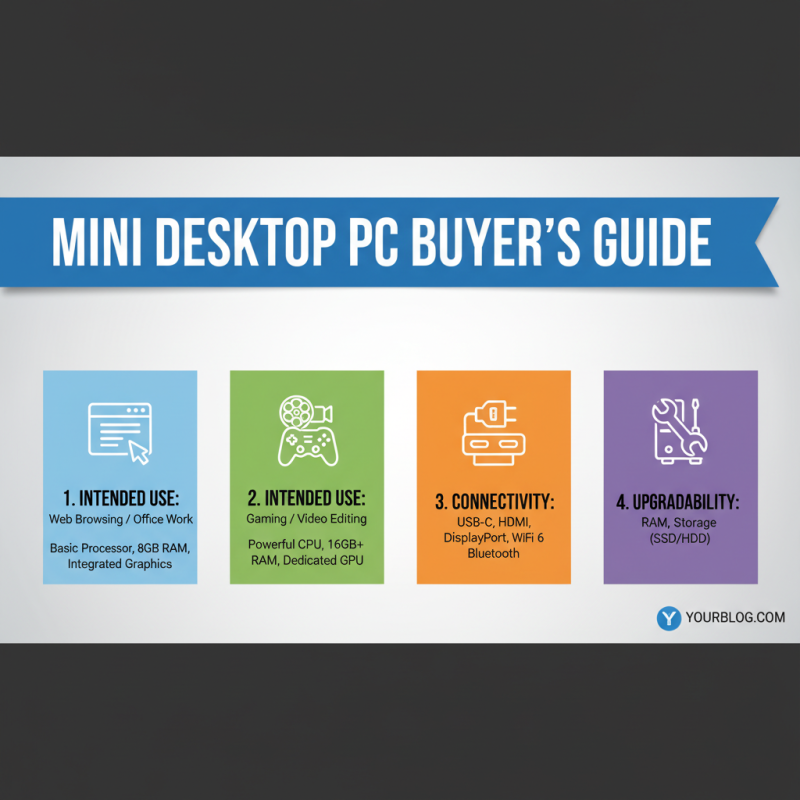
When considering the purchase of a mini desktop PC, there are several key factors to keep in mind. First and foremost is the intended use of the device. Different tasks demand different specifications; for example, if the PC is primarily for web browsing and office applications, a lower-spec model may suffice. Conversely, for more resource-intensive tasks like gaming or video editing, look for a machine with a more powerful processor, ample RAM, and a dedicated graphics card.
Another critical factor is the size and design of the mini desktop PC. These compact systems can vary significantly in dimensions, which can impact where you plan to place your setup. Ensure that the design suits your workspace and that there’s enough ventilation to prevent overheating. Additionally, consider the upgradeability options, as some mini PCs may have limited capacity for future enhancements in terms of storage or RAM. Other aspects like connectivity options and the number of USB ports can also influence your decision, especially if you plan to connect multiple peripherals.
Popular Brands and Models of Mini Desktop PCs on the Market Today
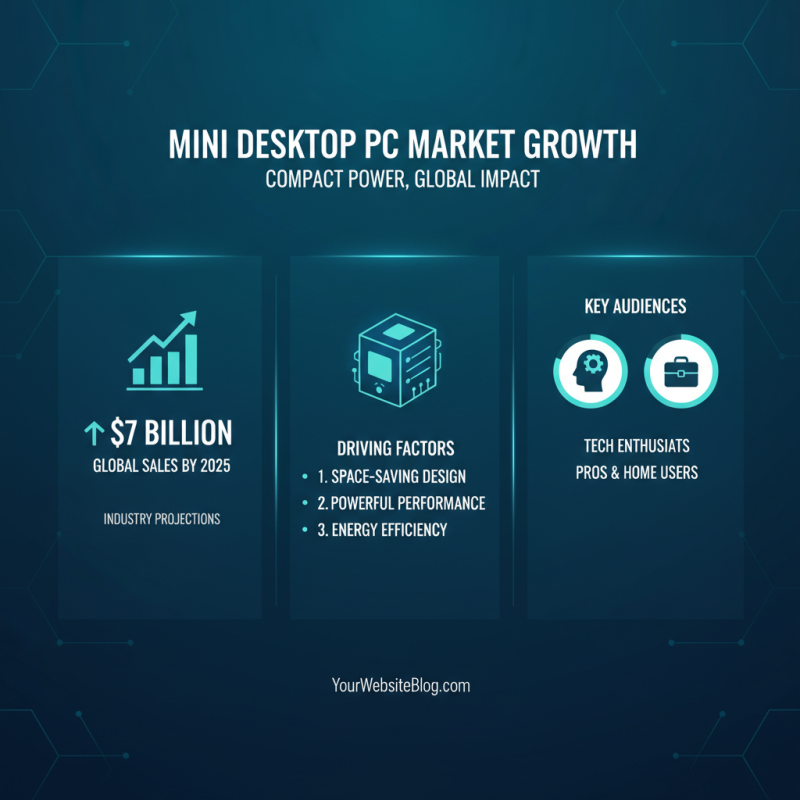
The mini desktop PC market has witnessed significant growth in recent years, with global sales projected to reach around $7 billion by 2025, according to industry reports. This surge is driven by the increasing demand for compact yet powerful computing solutions that fit seamlessly into modern lifestyles. Mini desktop PCs typically feature energy-efficient components and robust performance, attracting not only tech enthusiasts but also professionals looking for space-saving options in offices or homes.
Some of the popular models dominating this segment include ultra-compact systems that provide a balance between size and capability. Models often come equipped with the latest processors, integrated graphics, and multiple connectivity options, catering to a wide range of users from casual browsers to creative professionals needing extensive processing power for graphics and video editing. Additionally, leading manufacturers are innovating with customizable configurations, allowing users to tailor their systems to specific needs without compromising on performance or aesthetics. The expanding offerings in this category emphasize the versatility and accessibility of mini desktop PCs, making them an appealing choice for consumers in search of efficient, powerful computing solutions.

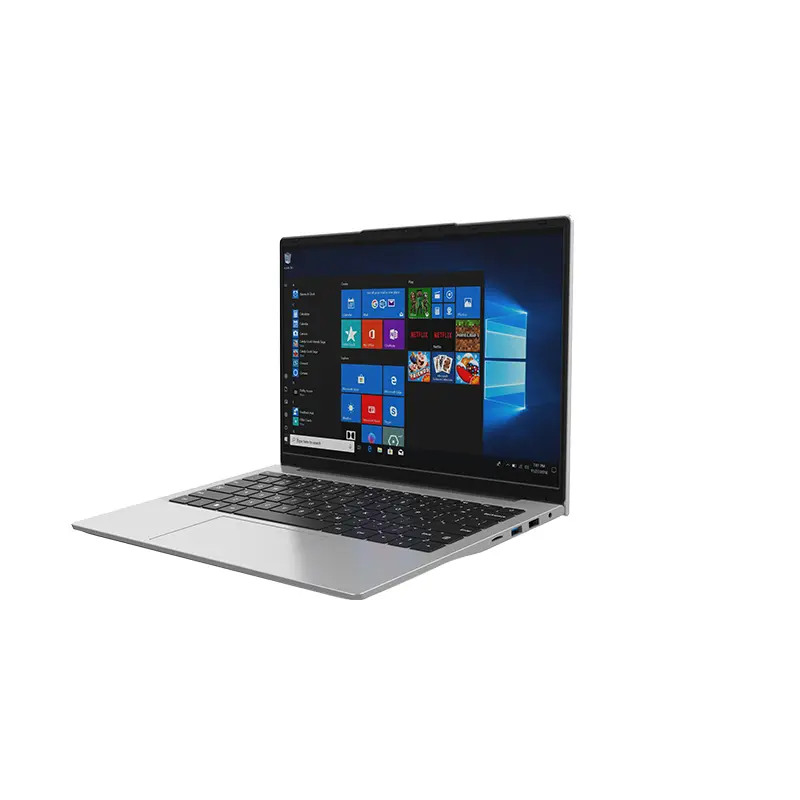 14 Inch Office Notebook
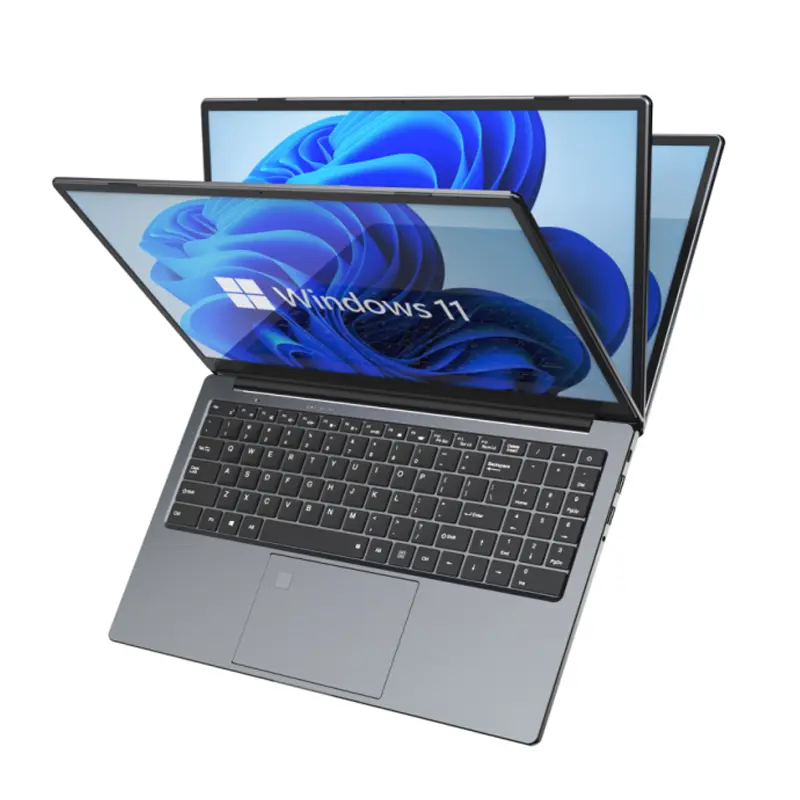
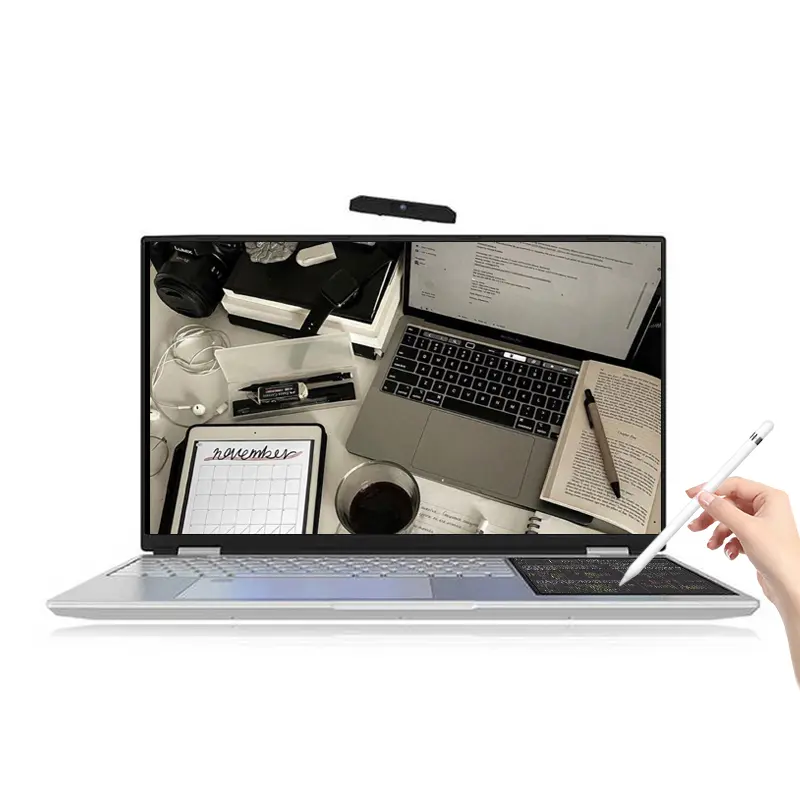 Dual Screen Laptop
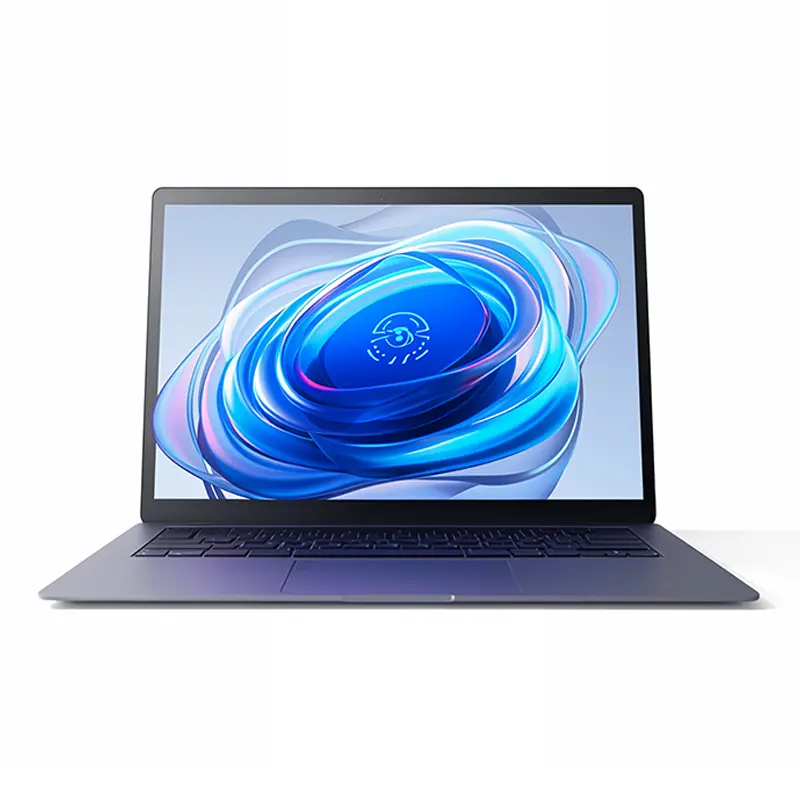
 Fingerprint Business Notebook
 Big Screen Laptop
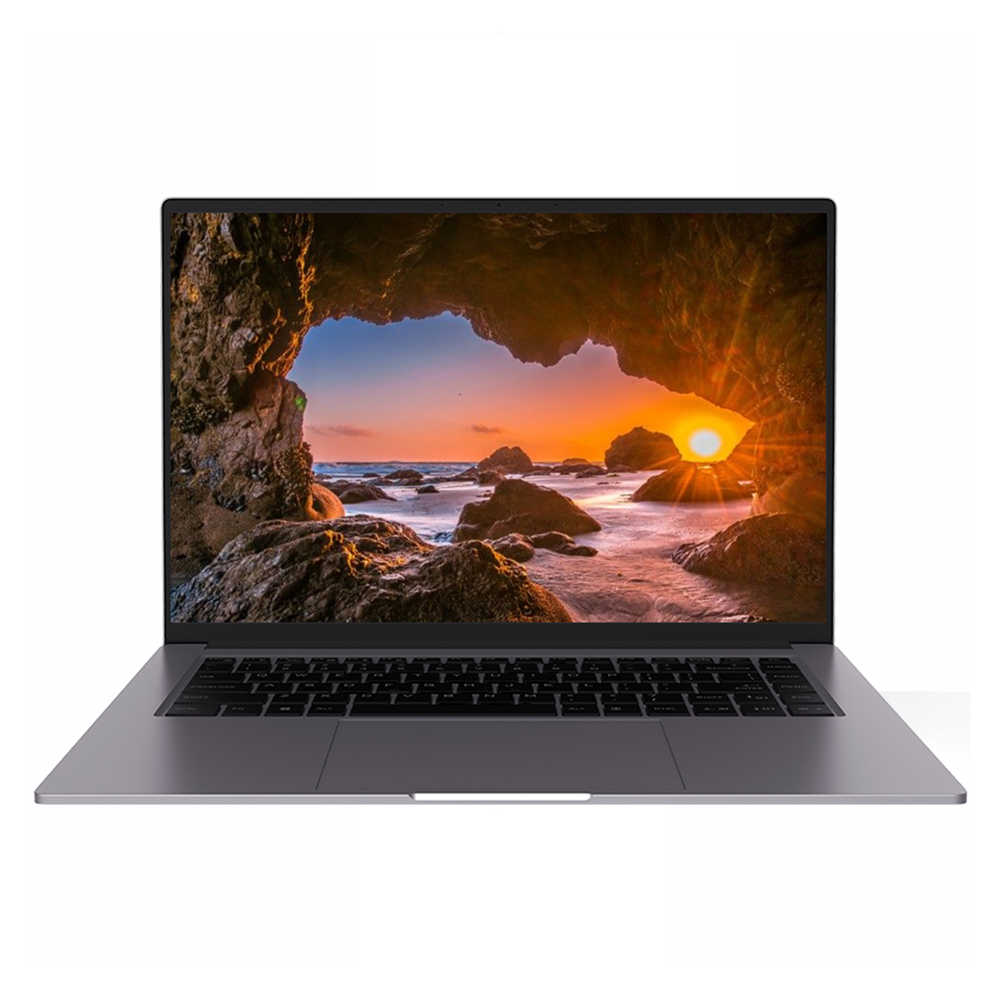 HD Gaming Laptop
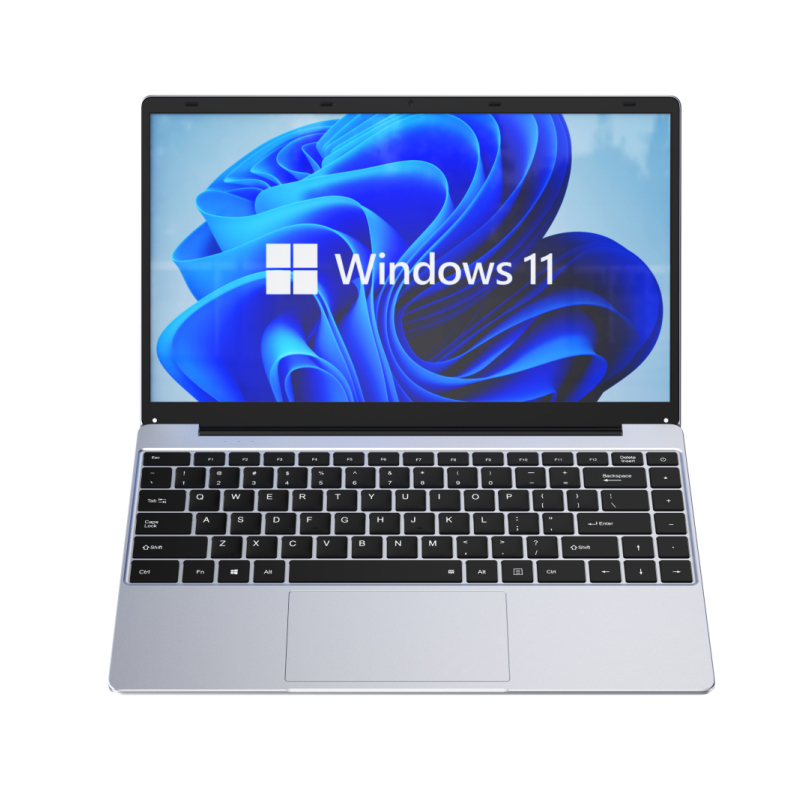 14.1 Inch Student laptops
 16.1 Inch Office Laptops
 Home Mini Host
 Industrial Micro PC
 Fanless Industrial Mini PC
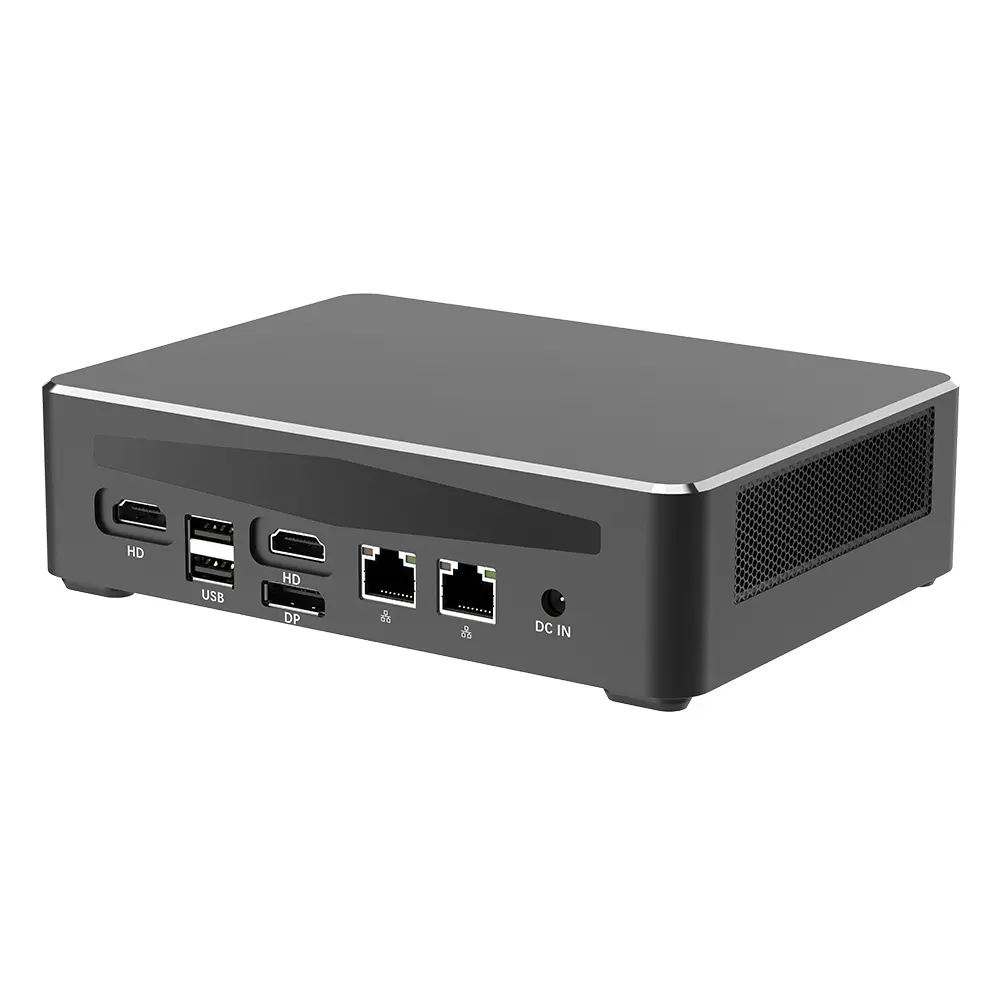 Commercial Mini PC
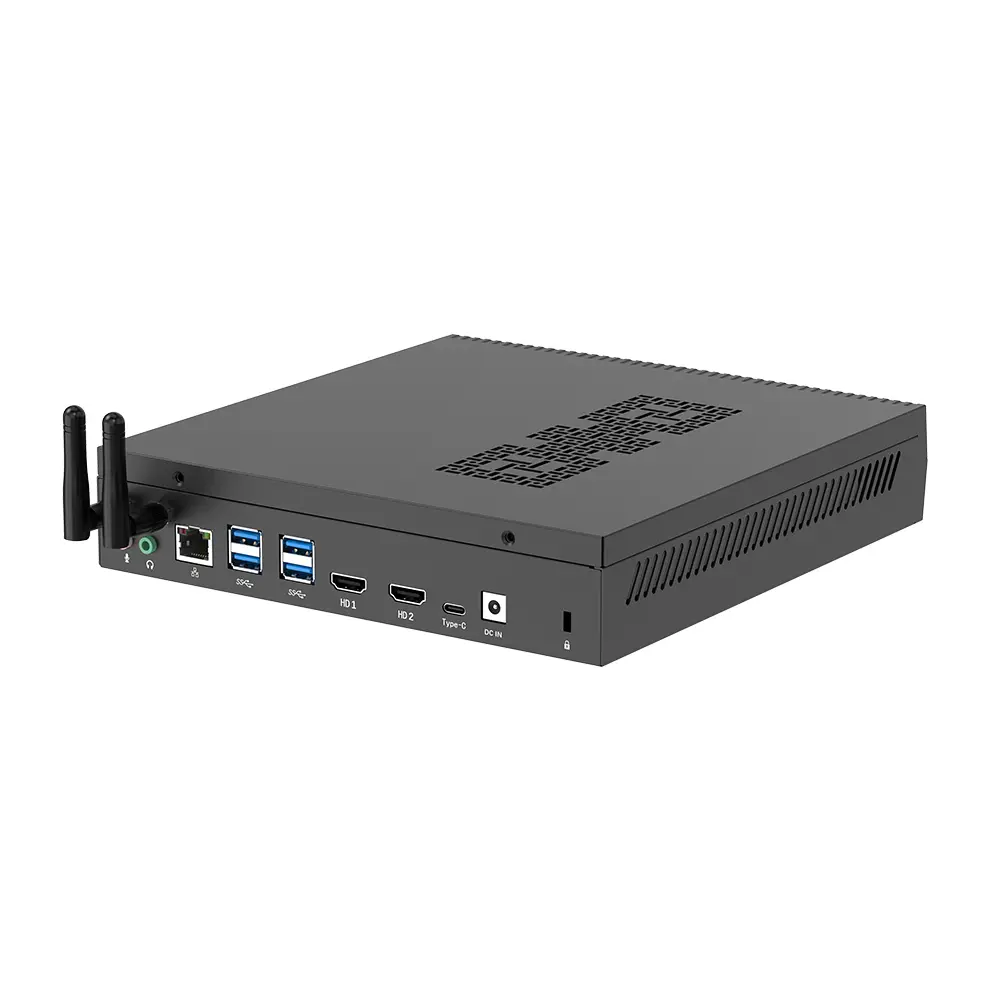 RTX3050TI Game Mini PC
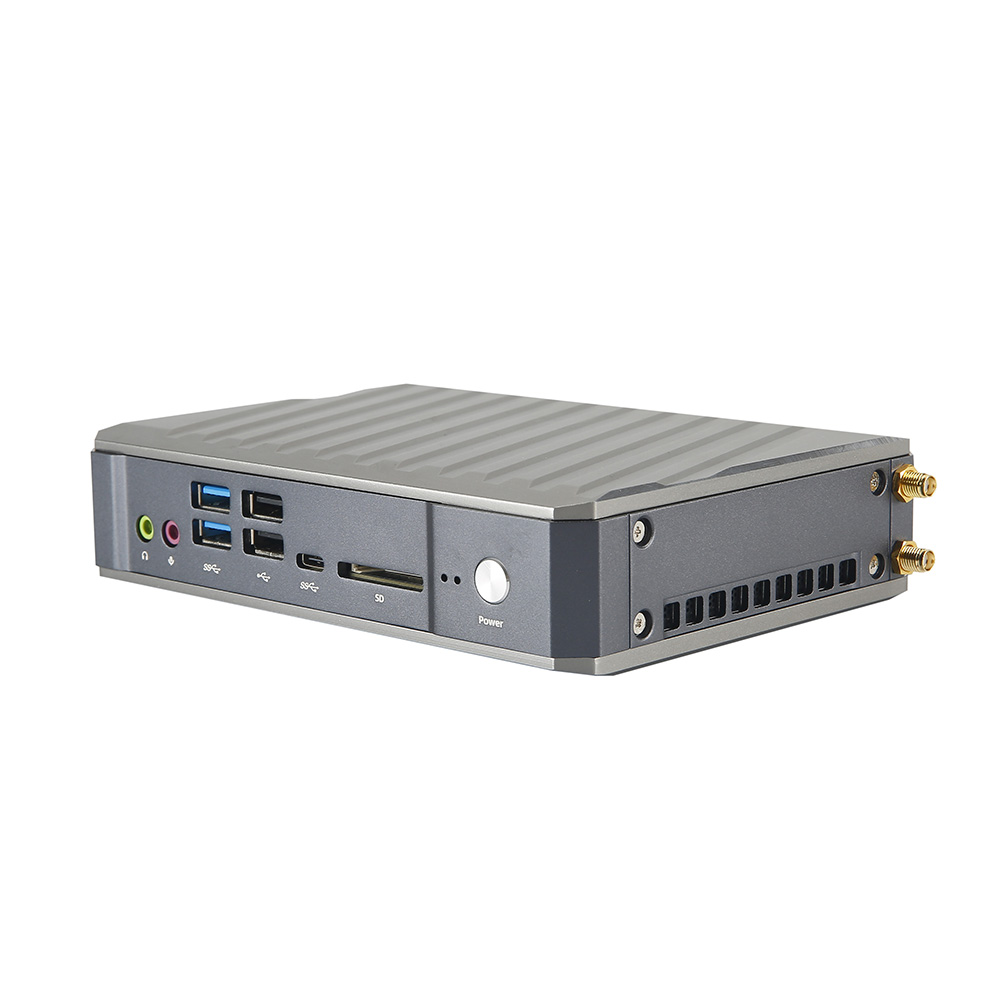 Micro Mini PC
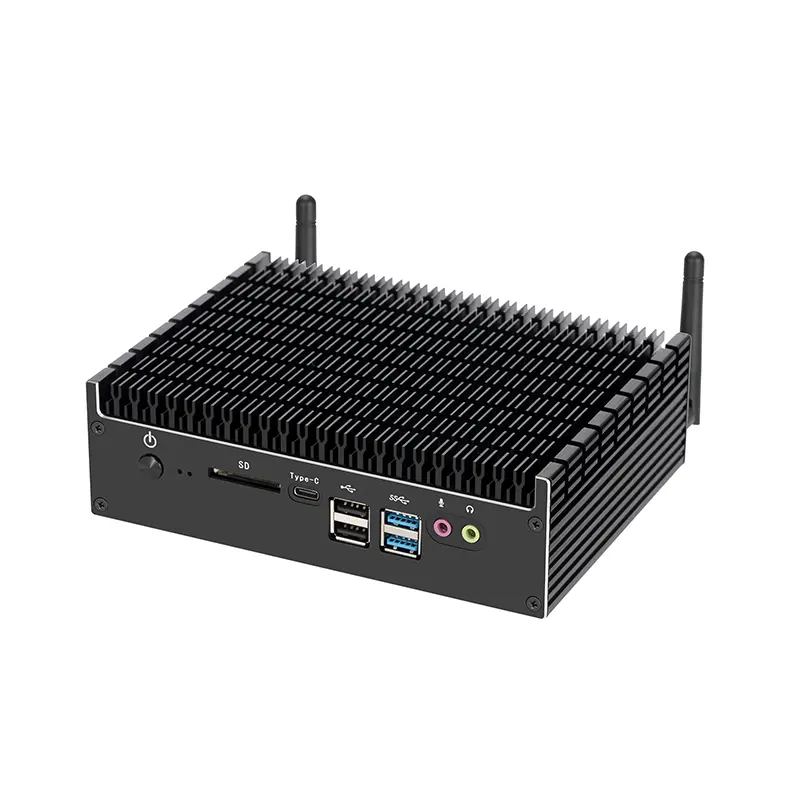 Fanless Mini PC
 High-end Mini PC
 More
More Micro ATX Computer Motherboard