Top Miniature PCs to Discover at the 2026 Canton Fair?
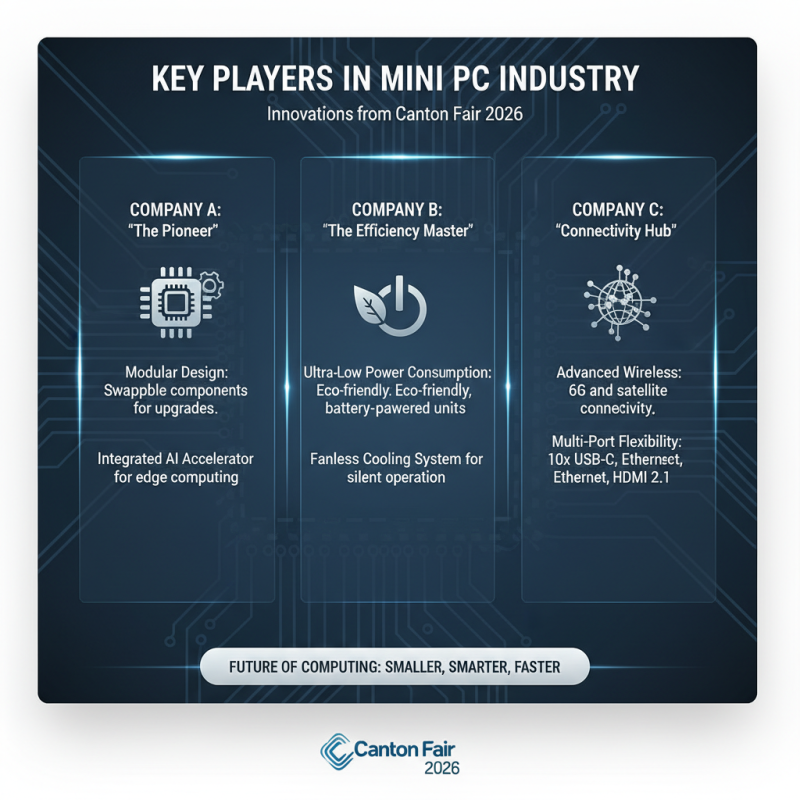
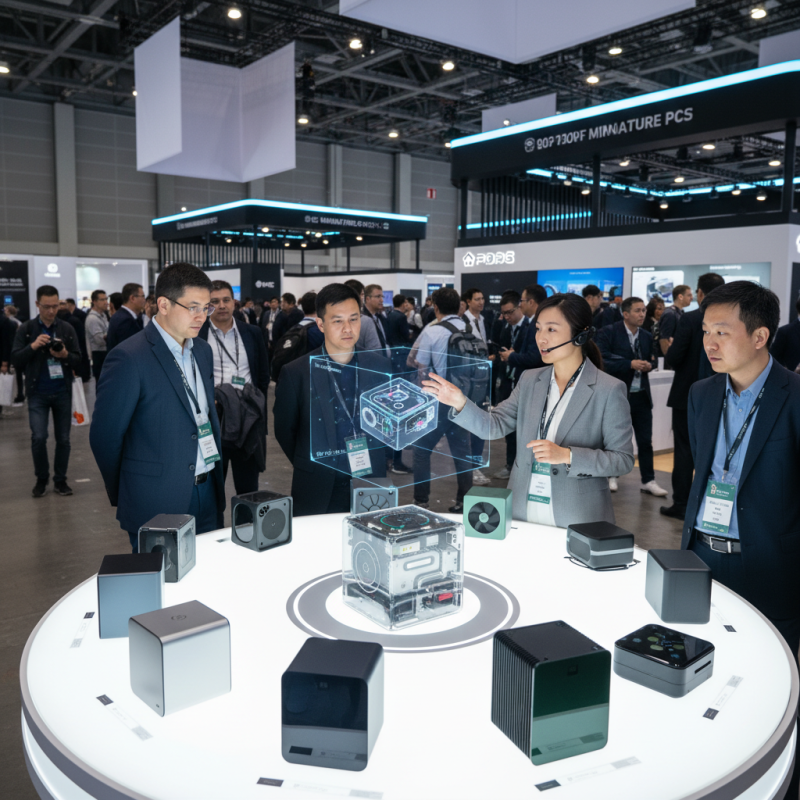
The 2026 Canton Fair promises to showcase the latest advancements in technology, particularly in the Miniature PC sector. Industry expert Dr. Emily Wong emphasizes, "Miniature PCs are revolutionizing how we think about computing." As the fair approaches, attendees can expect an array of innovative designs and functionalities catered to diverse user needs.
With sessions focusing on advanced manufacturing and electronics, the Miniature PC exhibits will likely highlight breakthroughs that enhance efficiency. For instance, businesses are increasingly using Miniature PCs in tight spaces, where traditional hardware cannot fit. As technology evolves, the demand for compact solutions is rising.
Attendees should prepare to see not only standard offerings but also unique adaptations that push boundaries. It’s natural to question whether these advancements fully meet end-user demands. Users often require both performance and portability, leading to a balancing act between size and capability. The ongoing dialogue about optimization in this sector remains crucial as we approach the event.
The Rising Trend of Miniature PCs in 2026: Market Overview and Projections
The miniature PC market is gaining traction in 2026. Recent reports indicate a projected growth rate of around 15% annually. This growth reflects the shift towards more compact, efficient computing solutions. Businesses and consumers are exploring these options for their versatility and power.
Miniature PCs are now favored for their energy efficiency. These devices often consume less power than traditional PCs. They are increasingly popular in various sectors, including education and healthcare. A recent survey revealed that 40% of users cite space-saving design as a key reason for their choice. However, some still question performance efficiency compared to larger systems. This ongoing discussion is vital for the future innovations in this space.
Despite their advantages, challenges remain. Many miniature PCs struggle with upgradeability. This can deter tech enthusiasts who prefer customizable solutions. Additionally, software compatibility issues occasionally arise, creating hurdles for users. These concerns highlight areas for improvement within the industry.
Technological Advancements Driving Miniature PC Design and Performance
Miniature PCs have transformed in recent years. Enhanced portability and performance are vital. The 2026 Canton Fair showcases these innovations. Developers focus on creating more powerful devices. Compact designs now support high-resolution graphics. Reports indicate a 25% growth in mini-PC sales between 2023 and 2026. Consumers demand lighter, faster, and efficient systems.
Technology drives improvements in thermal management. Effective cooling solutions keep components stable. Reports predict that energy-efficient processors will dominate. Mini PCs are now capable of handling tasks that were once reserved for larger desktops. Customization options have also expanded. Users can choose specifications tailored to their needs. However, some users struggle with software compatibility. Not all programs run smoothly on smaller systems.
Tips: Consider your specific needs before choosing a mini-PC. Analyze the required specs thoroughly. Ensure the device aligns with your performance expectations. Additionally, always check for the availability of future upgrades. This can enhance the longevity of your system. Remember, size isn't everything. Performance and versatility matter too.
Top Miniature PCs at the 2026 Canton Fair
| Model |
Processor |
RAM |
Storage |
Graphics |
Weight |
Price Range |
| Model A |
Intel i7 |
16 GB |
512 GB SSD |
Integrated Graphics |
1.2 kg |
$600 - $700 |
| Model B |
AMD Ryzen 5 |
8 GB |
1 TB HDD |
NVIDIA GTX 1650 |
1.5 kg |
$700 - $800 |
| Model C |
Intel i5 |
16 GB |
256 GB SSD |
Intel UHD Graphics |
0.9 kg |
$500 - $600 |
| Model D |
AMD Ryzen 7 |
32 GB |
2 TB NVMe SSD |
NVIDIA RTX 3060 |
1.3 kg |
$900 - $1000 |
| Model E |
Intel i3 |
4 GB |
128 GB SSD |
Integrated Graphics |
0.8 kg |
$300 - $400 |
Consumer Preferences: What Users Look for in Miniature PCs in 2026
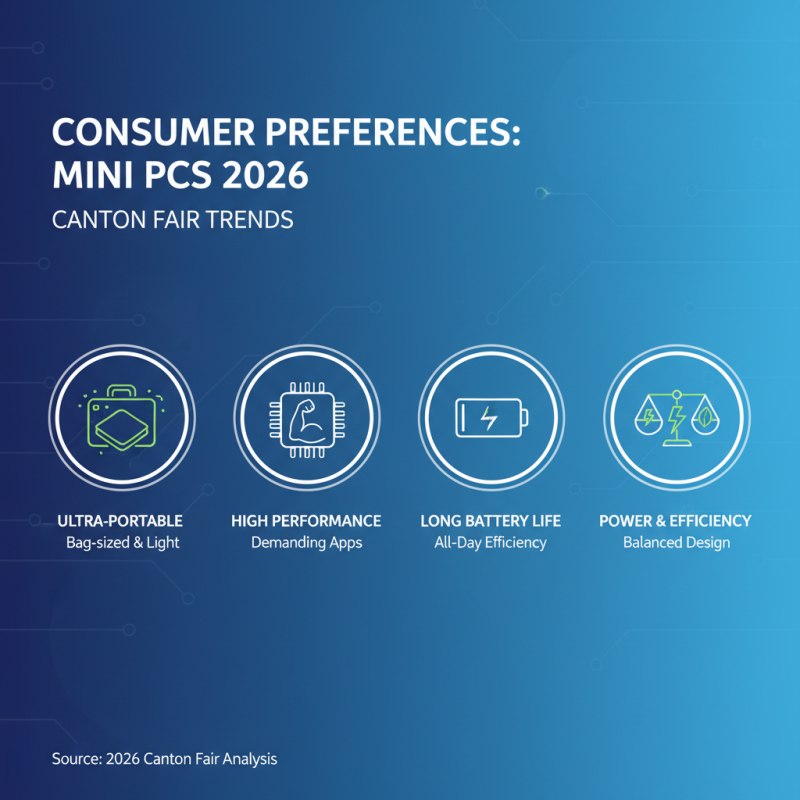
As the 2026 Canton Fair approaches, consumer preferences in miniature PCs are evolving. Users seek lightweight designs packed with power. Many want PCs small enough to fit comfortably in a bag, yet capable of running demanding applications. Battery life remains a crucial factor. A balance between performance and efficiency is essential.
Many users look for versatile connectivity options. USB-C, HDMI, and wireless capabilities are important. They expect these devices to connect easily to various peripherals. Additionally, aesthetics matter. Sleek, modern designs attract attention. Users prefer minimalist looks that blend into any environment.
There is also a growing concern for sustainability. Eco-friendly materials catch user interest. However, the challenge lies in achieving durability without compromising design. Many manufacturers struggle here. Users may argue that some miniature PCs feel fragile. This ongoing conversation about quality versus size will shape future designs at the fair.
Sustainability Trends: Eco-Friendly Practices in Miniature PC Manufacturing
Sustainability in miniature PC manufacturing is gaining traction. As the tech industry shifts towards eco-friendly practices, many manufacturers are adopting green materials. Reports indicate that nearly 30% of the global tech market aims for carbon neutrality by 2030. This goal pushes companies to rethink their supply chains and production methods.
Many miniature PCs are now using recycled plastics and sustainable metals. Additionally, energy-efficient designs reduce power consumption significantly. Some studies reveal that energy-efficient devices can cut electricity usage by up to 50%. This reduces the overall environmental impact. However, challenges remain. Finding suitable materials that meet performance standards is not always easy.
Manufacturers are also exploring renewable energy sources for production. Yet, a gap exists between intention and execution. Research shows only about 15% of companies have fully committed to renewable energy in their operations. This low percentage signals a need for progress. Embracing sustainability in miniature PC manufacturing requires ongoing effort and innovation.

 14 Inch Office Notebook
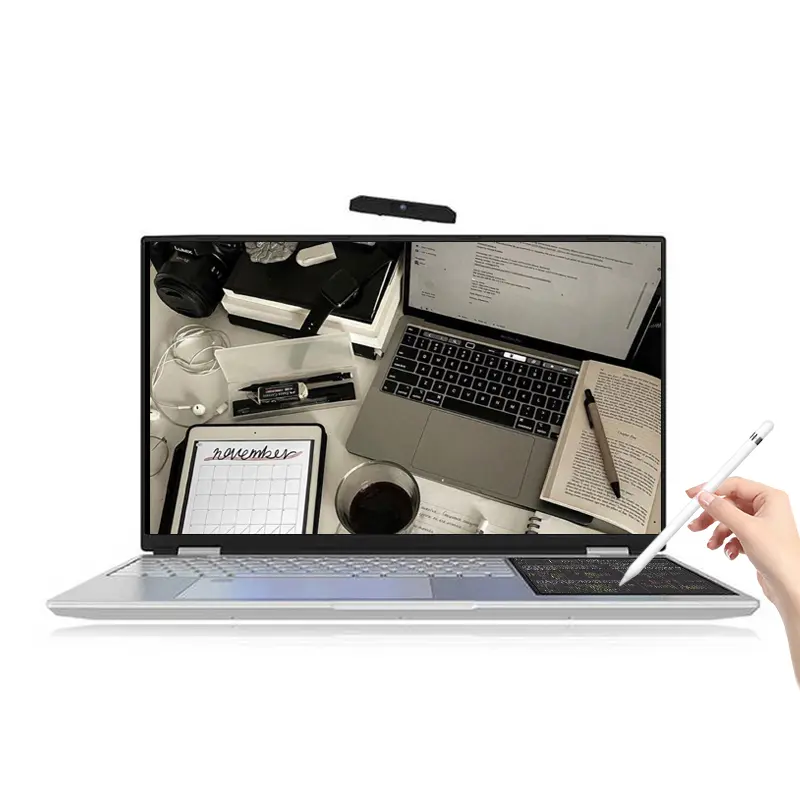 Dual Screen Laptop
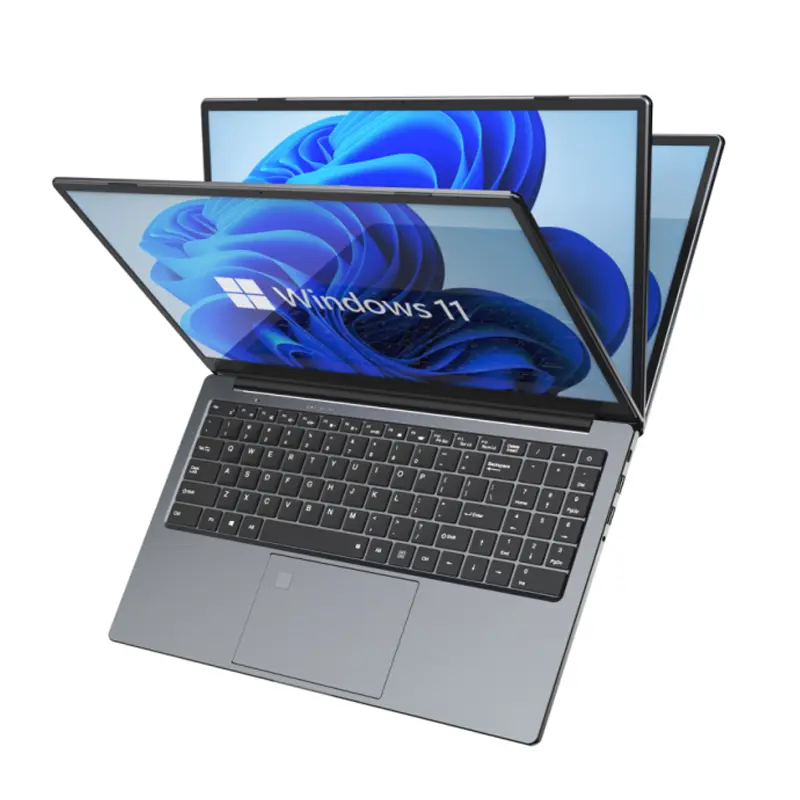 Fingerprint Business Notebook
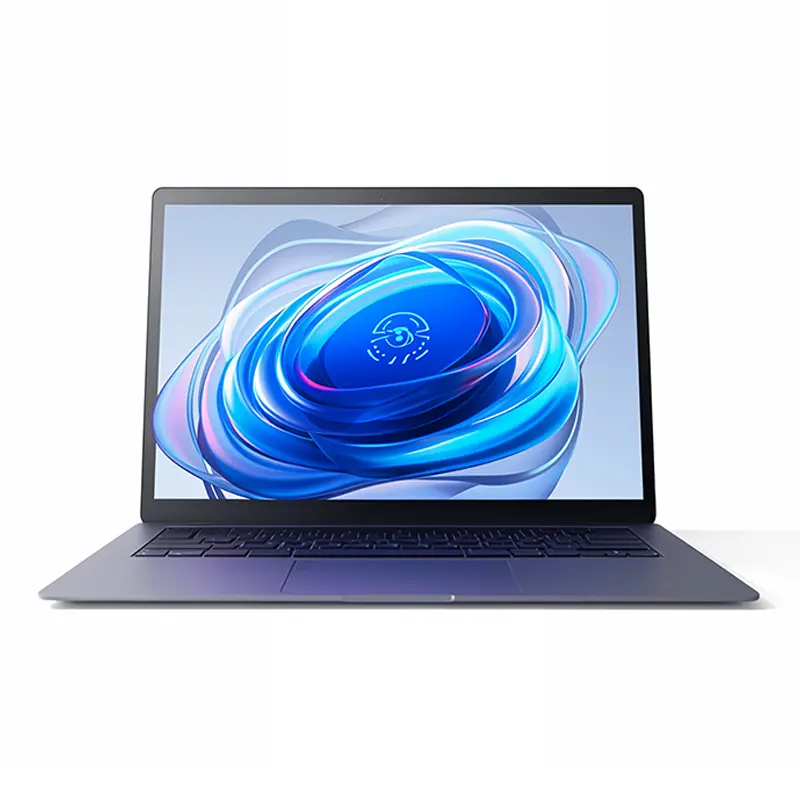 Big Screen Laptop
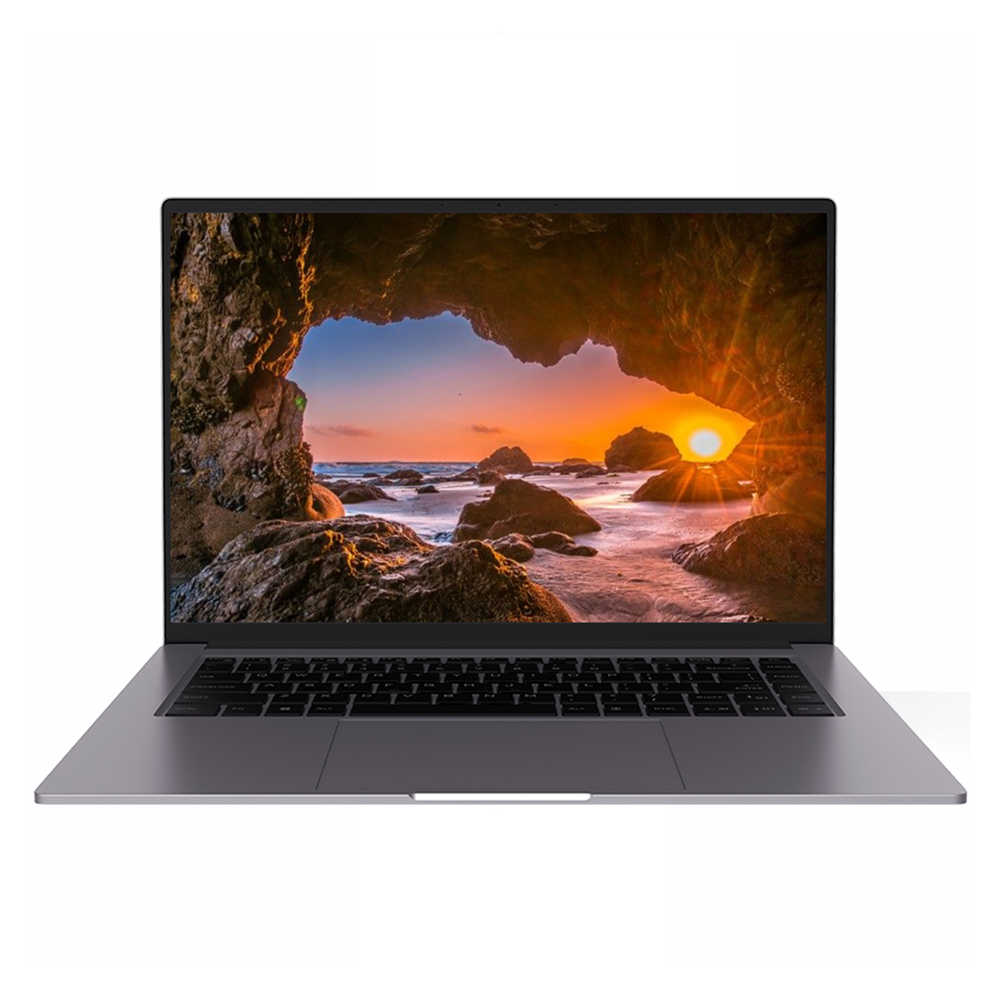 HD Gaming Laptop
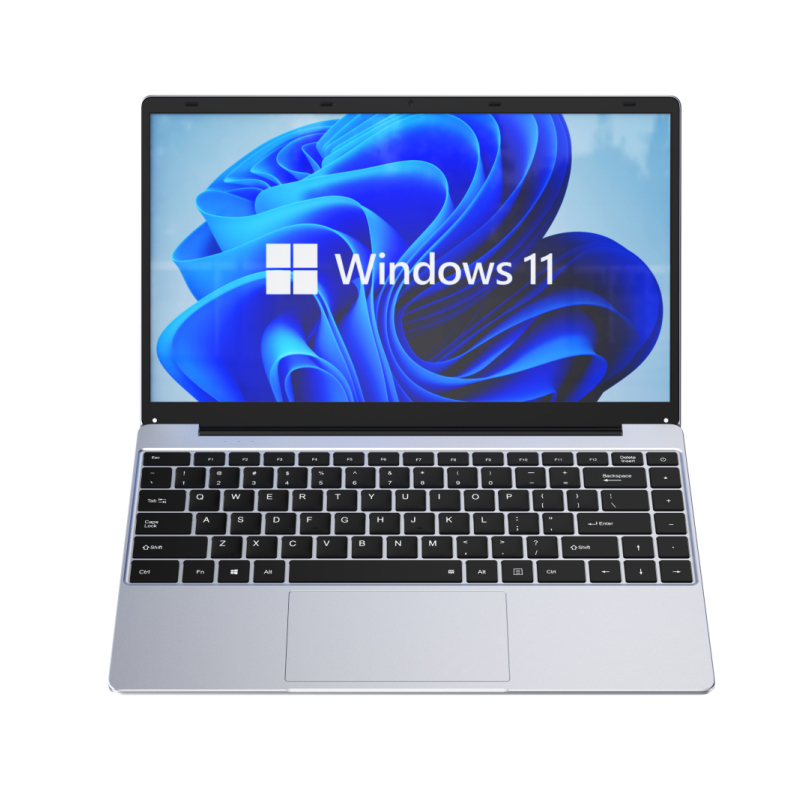 14.1 Inch Student laptops
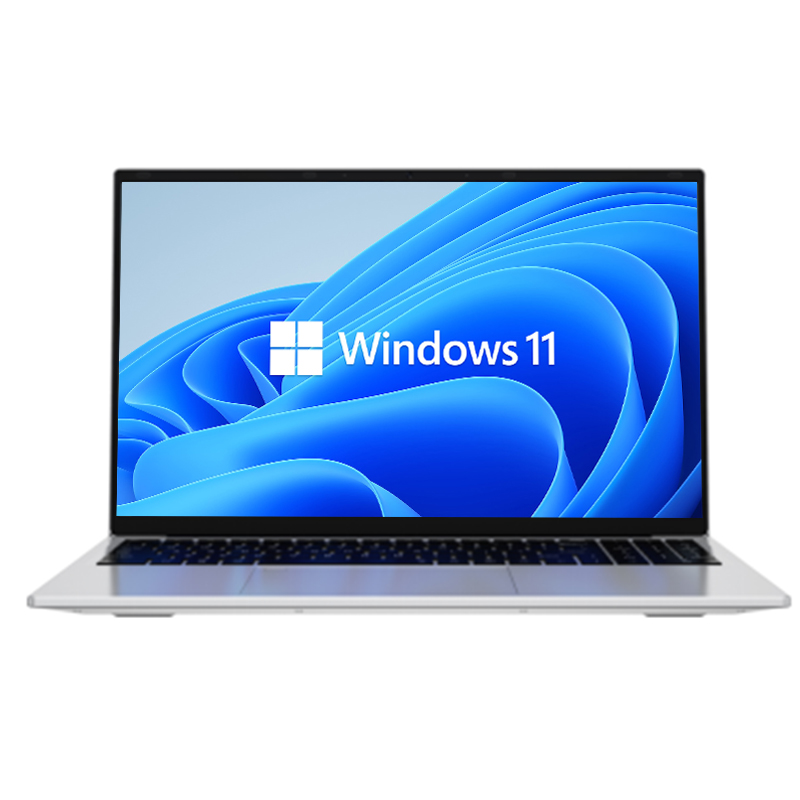 16.1 Inch Office Laptops
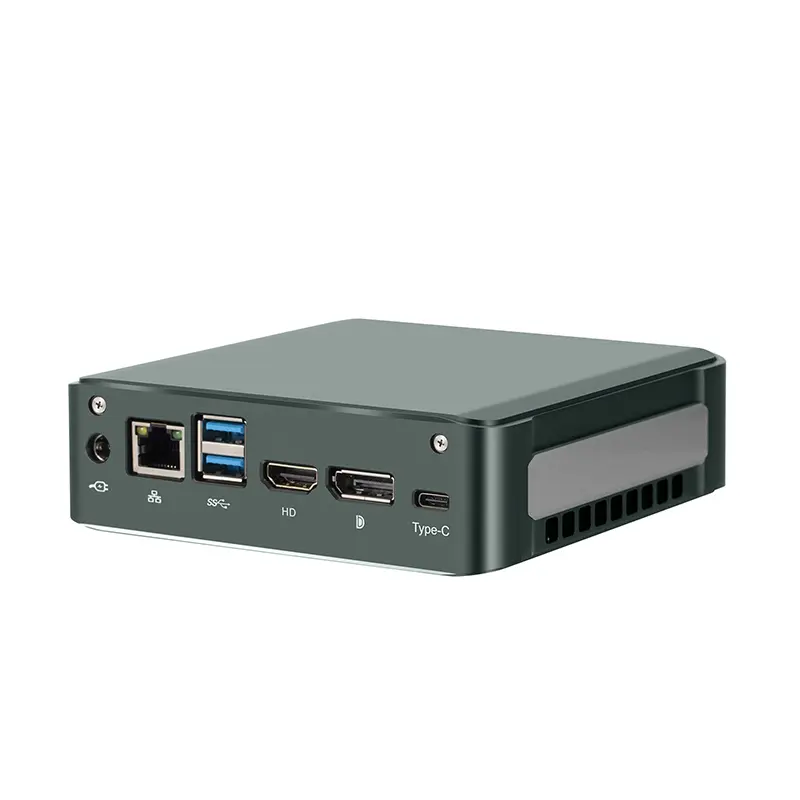 Home Mini Host
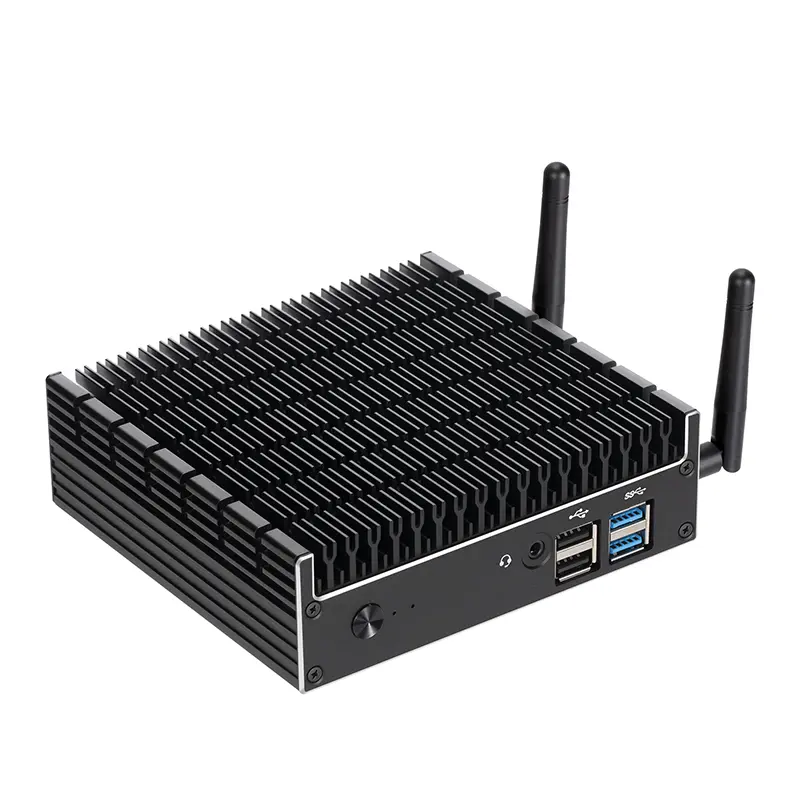 Industrial Micro PC
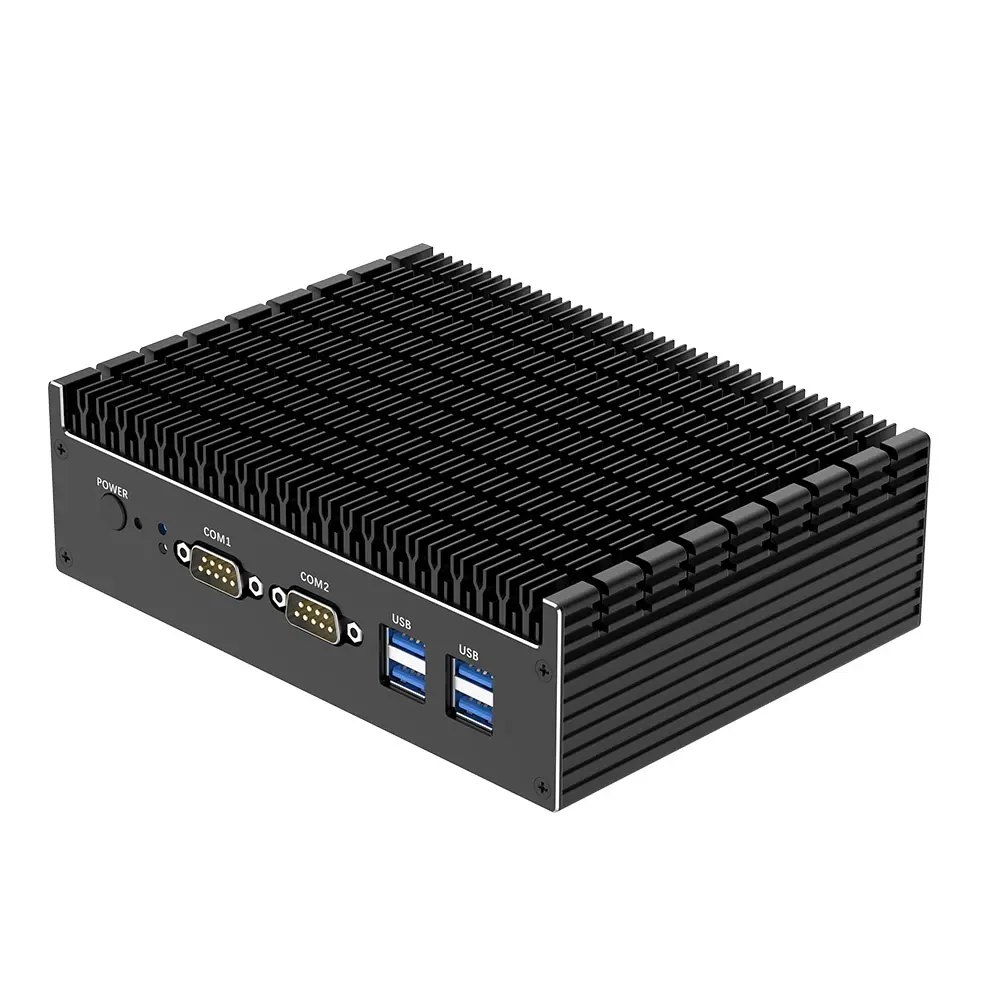 Fanless Industrial Mini PC
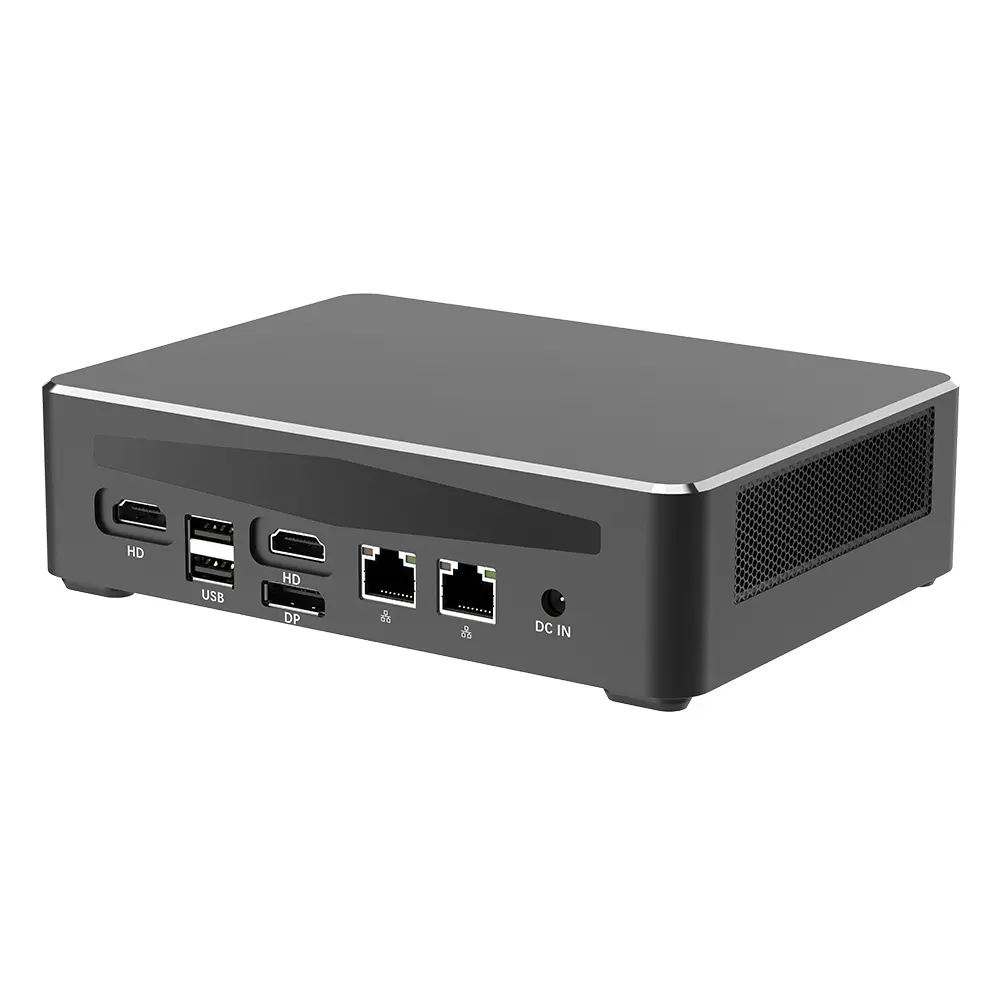 Commercial Mini PC
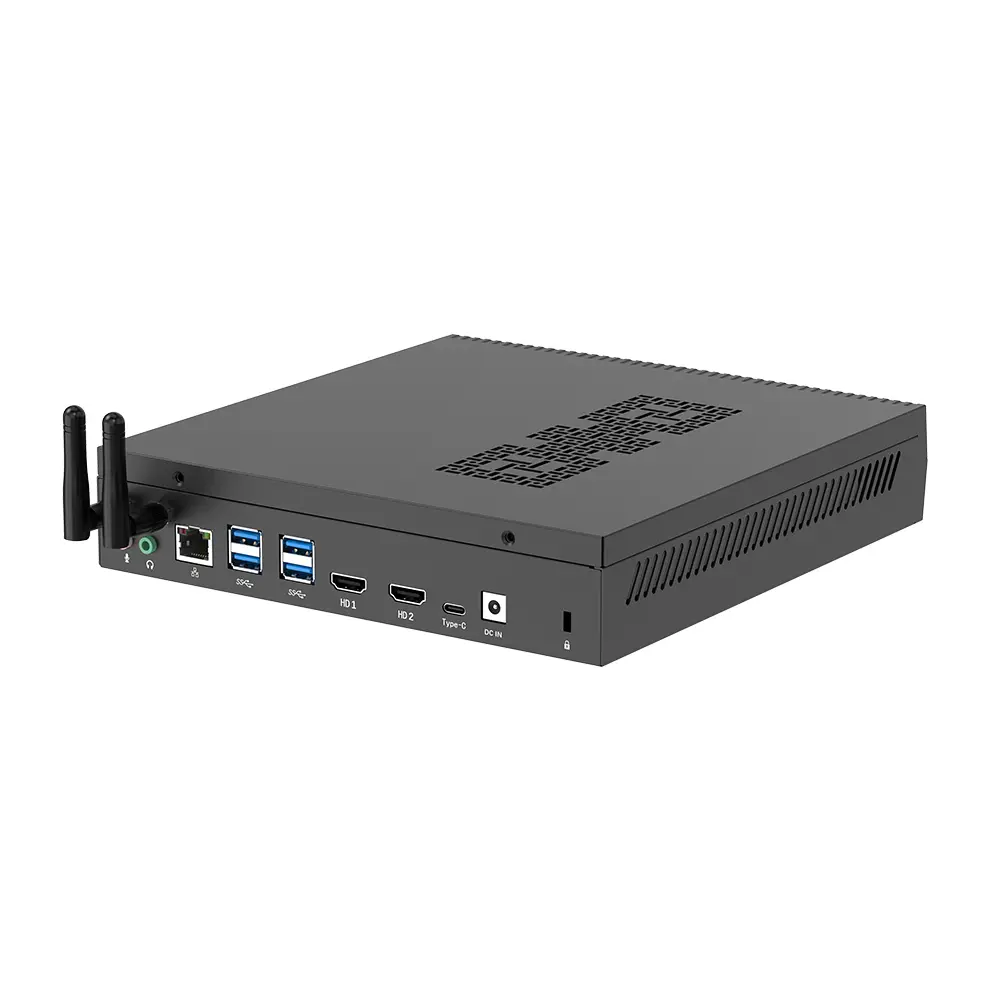 RTX3050TI Game Mini PC
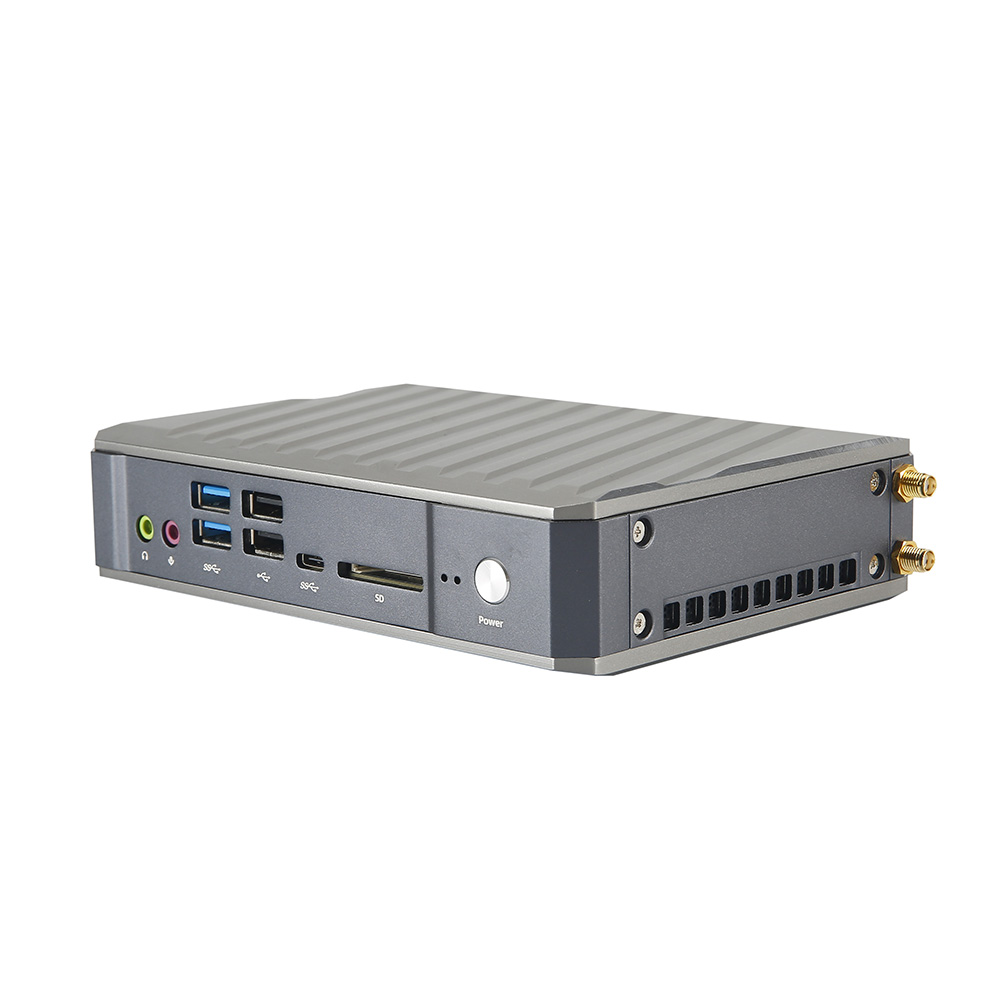 Micro Mini PC
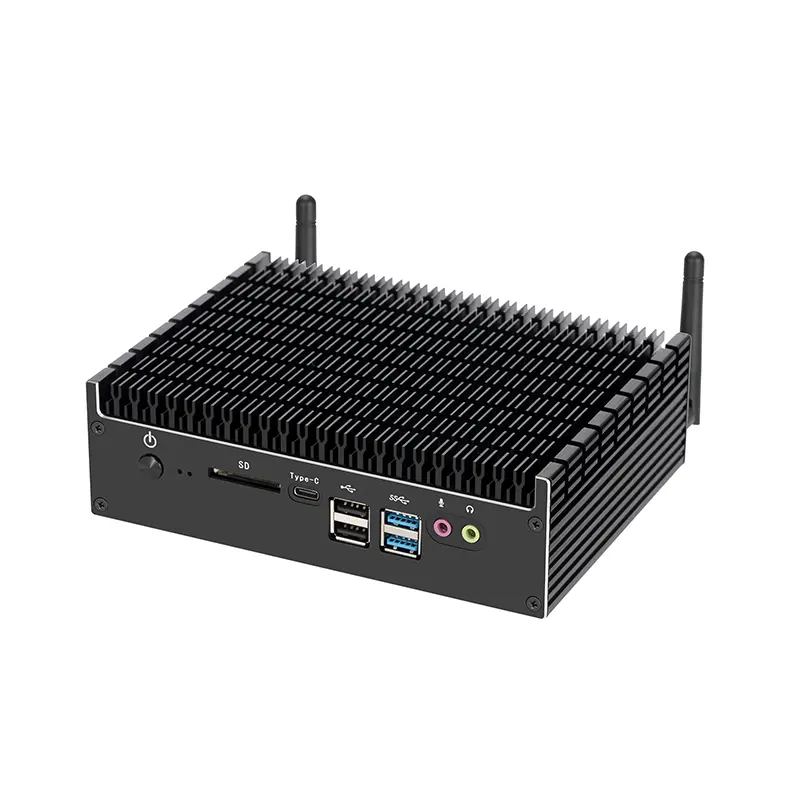 Fanless Mini PC
 High-end Mini PC
 More
More Micro ATX Computer Motherboard