What is a Small Desktop PC? Benefits, Features, and Top Choices Explained
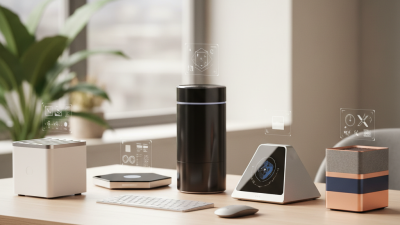
In today’s rapidly evolving technology landscape, the demand for compact and efficient computing solutions has led to the rise of the Small Desktop PC. These devices are designed to provide the power and functionality of traditional desktop computers while occupying a much smaller footprint. Perfect for home offices, small businesses, or minimalist setups, a Small Desktop PC combines versatility with space-saving design, making it an appealing choice for users who want high performance without sacrificing valuable desk space.
The advantages of a Small Desktop PC extend beyond its size. Many models come equipped with powerful processors, ample storage options, and advanced connectivity features, ensuring that users do not have to compromise on performance. Additionally, these compact systems often boast energy efficiency, which can lead to long-term cost savings on electricity bills. As more professionals and casual users recognize the benefits of a Small Desktop PC, it becomes increasingly important to explore their features, benefits, and the best options available in the market today.
In this article, we will delve into the defining characteristics of Small Desktop PCs, outline their key benefits, and highlight top choices that cater to various user needs. Whether you are a gamer, a creative professional, or someone who simply needs a reliable workhorse for everyday tasks, there is a Small Desktop PC that can meet your requirements.
Definition and Overview of Small Desktop PCs
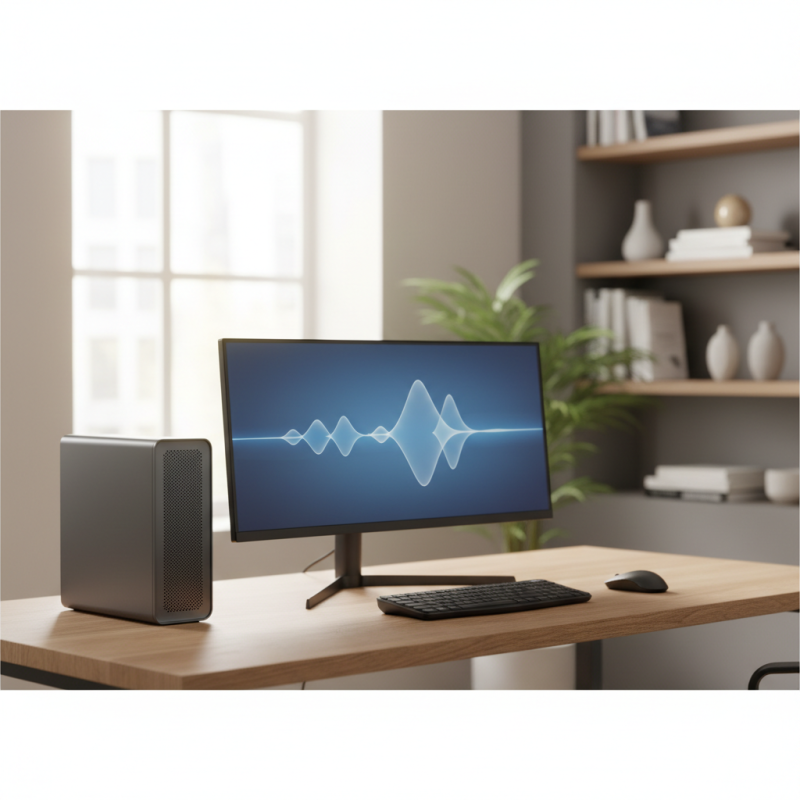
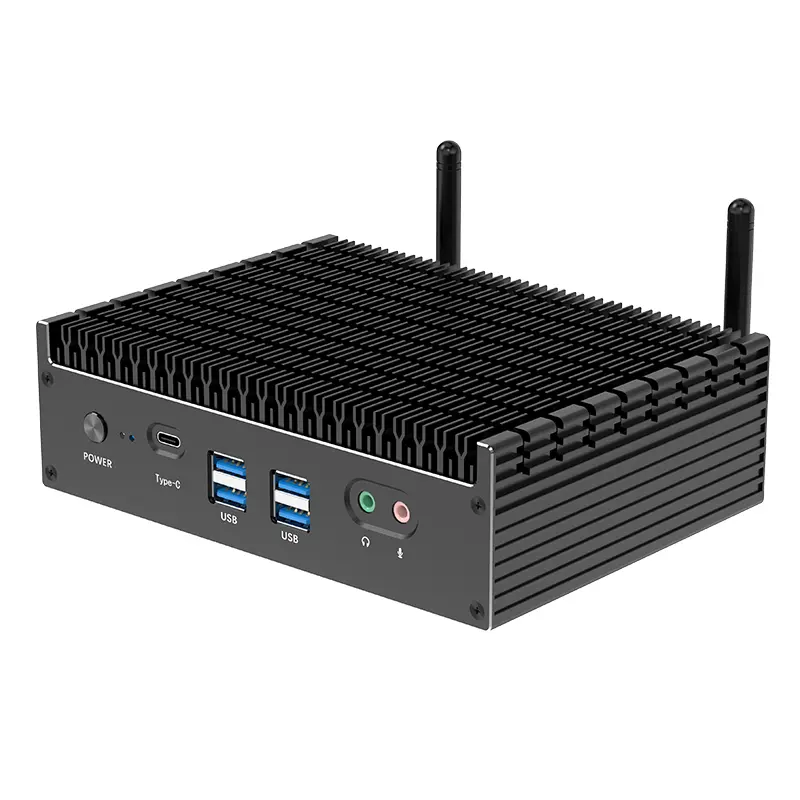
Small desktop PCs are compact computing devices designed to offer performance and functionality similar to traditional desktop computers, but in a significantly smaller form factor. These devices typically feature a miniaturized chassis, allowing them to fit comfortably in limited spaces such as desks, shelves, or even entertainment centers. The design often emphasizes portability, making them ideal for users who may need to move their setup frequently or want to save space in their work or home environments.
The key benefits of small desktop PCs include a reduced footprint, energy efficiency, and a diverse range of specifications. Despite their size, many small desktop PCs can be equipped with powerful processors, ample RAM, and modern storage solutions, ensuring they can handle a variety of tasks from everyday computing to resource-intensive applications. Additionally, their compact size often translates to lower power consumption, making them environmentally friendly and cost-effective options for users looking to minimize their energy usage without sacrificing performance. They may also come with an array of connectivity options, including USB ports, HDMI outputs, and wireless capabilities, allowing for easy integration with various peripherals and networks.
Key Benefits of Choosing a Small Desktop PC
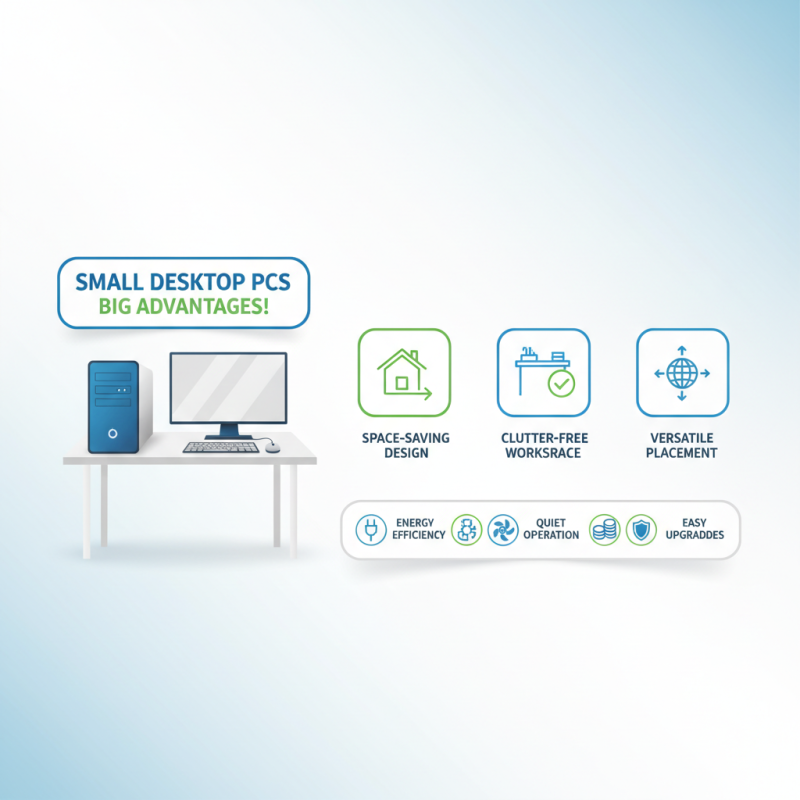
Small desktop PCs have surged in popularity due to numerous advantages that cater to modern computing needs. One of the primary benefits is their compact size, which allows for easy placement in limited spaces. Whether in a small office, a dorm room, or even a compact living area, these devices fit seamlessly into various environments, allowing users to maintain an organized and clutter-free workspace.
In addition to their space-saving design, small desktop PCs often consume less power compared to their larger counterparts. This efficiency not only translates to lower electricity bills but also supports environmental sustainability by minimizing energy consumption. Furthermore, many small desktops boast impressive processing capabilities, making them suitable for various tasks, from everyday browsing to more demanding applications. Their versatility enables users to experience robust performance without sacrificing valuable real estate on their desks, making small desktop PCs an attractive choice for many.
Essential Features to Look for in Small Desktop PCs
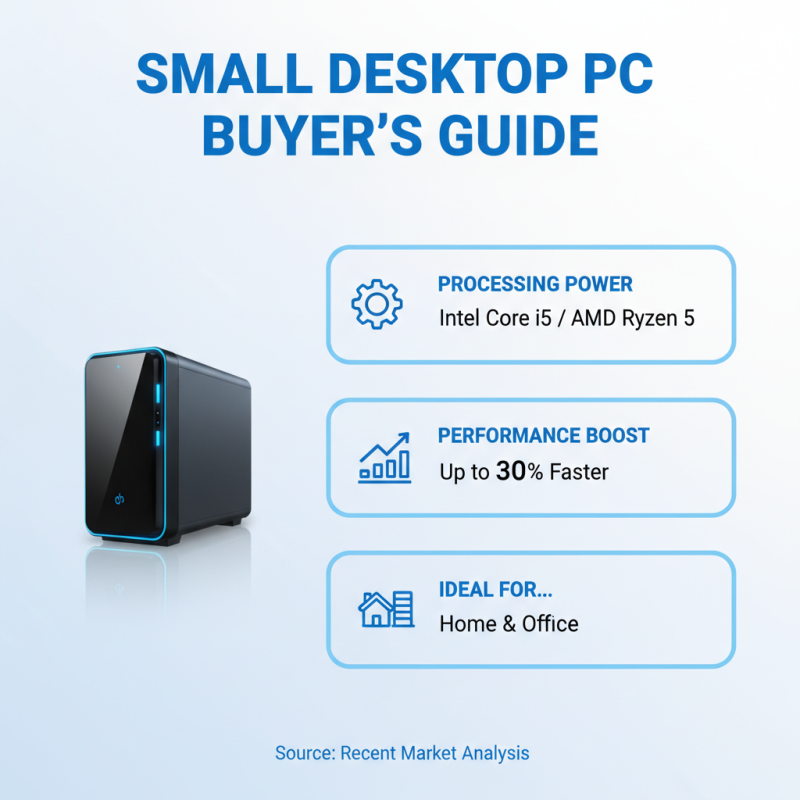
When seeking a small desktop PC, it's vital to consider essential features that contribute to both performance and functionality. One key aspect is processing power—modern small desktops often utilize advanced processors like Intel's Core i5 or AMD's Ryzen 5 series, which strike a balance between efficiency and speed. According to a recent market analysis, small form factor PCs can provide up to a 30% performance boost compared to traditional models, making them an enticing choice for both home and office environments.
Storage capacity and upgrade potential are also crucial. Many small desktops now support SSDs (Solid State Drives), which significantly enhance load times and system responsiveness. Reports reveal that PCs equipped with SSDs can reduce boot times by up to 70%, a feature that busy users greatly appreciate. Additionally, look for models with expandable RAM slots, allowing a seamless upgrade if tasks become more demanding over time.
**Tips:** Prioritize cooling solutions in your selection, as compact designs can lead to overheating. Efficient thermal management prevents hardware failures and prolongs the lifecycle of your device. Another suggestion is to ensure connectivity options meet your needs—models with USB-C ports and integrated Wi-Fi 6 can greatly enhance your connectivity experience, providing faster data transfer and improved network performance.
Popular Small Desktop PC Models and Their Specifications
Small desktop PCs have gained traction due to their compact size and powerful performance, making them a popular choice for both home and business environments. According to a recent market analysis by IDC, small form factor PCs are expected to capture a significant market share, projected to grow by 17% annually through 2025. This shift is driven by the increasing demand for space-efficient computing solutions that do not compromise on performance or capabilities.
Among the popular models available, compact desktops typically feature advanced specs tailored to meet varying user needs. Many of these models offer high-performance processors, adequate RAM ranging from 8GB to 32GB, and SSD storage options that enhance speed. For instance, recent models often include integrated graphics suited for casual gaming and media tasks, alongside multiple USB ports and connectivity options for peripherals, underscoring their versatility. As small desktop PCs continue to evolve, they are becoming more powerful and accessible, often featuring energy-efficient designs that appeal to environmentally conscious consumers. This combination makes them an excellent choice for users who need reliable computing power in a minimal footprint.
What is a Small Desktop PC? Benefits, Features, and Top Choices Explained
| Model |
Processor |
RAM |
Storage |
Graphics |
Price (USD) |
| Model A |
Intel Core i5 |
8GB |
512GB SSD |
Integrated |
599 |
| Model B |
AMD Ryzen 5 |
16GB |
1TB HDD |
NVIDIA GTX 1650 |
749 |
| Model C |
Intel Core i7 |
32GB |
1TB SSD |
Integrated |
999 |
| Model D |
AMD Ryzen 7 |
16GB |
1TB SSD |
AMD Radeon RX 5500 |
849 |
Comparison of Small Desktop PCs vs. Traditional Desktops
When comparing small desktop PCs to traditional desktops, the key distinctions lie in size, performance, and use cases. Small desktop PCs, often referred to as compact or mini PCs, typically measure less than 6 inches in height, allowing them to easily fit into tight spaces, making them ideal for home offices or small workstations. According to a recent report by IDC, small form factor PCs saw a year-over-year growth of 15% in the market as remote work continues to rise in popularity. This portability does not compromise their capabilities; many models are equipped with powerful processors and sufficient RAM to handle demanding applications, catering to both casual users and professionals.
One significant advantage of small desktop PCs is their energy efficiency. Studies indicate that compact PCs consume approximately 50% less power than traditional desktops, often contributing to lower electricity bills for everyday use. Additionally, with their sleek designs, these devices can enhance the aesthetic of any workspace.
**Tips:** If you're considering making the switch, assess your specific needs first. For tasks like web browsing and office applications, a small desktop will suffice, while gamers and graphic designers may require a more robust setup. Furthermore, keep an eye on cooling solutions, as smaller cases can sometimes lead to higher temperatures, affecting performance and longevity.
Comparison of Small Desktop PCs vs. Traditional Desktops
This chart compares the average dimensions, weight, power consumption, and typical prices of Small Desktop PCs and Traditional Desktops. Small Desktop PCs are often more compact and energy-efficient, making them suitable for users with limited space.

 14 Inch Office Notebook
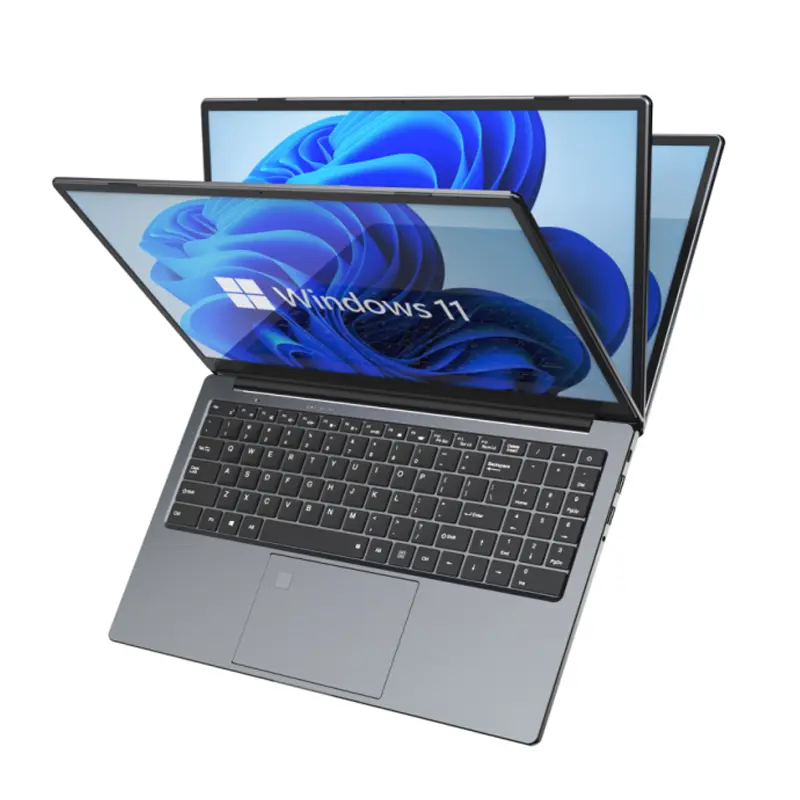
 Dual Screen Laptop
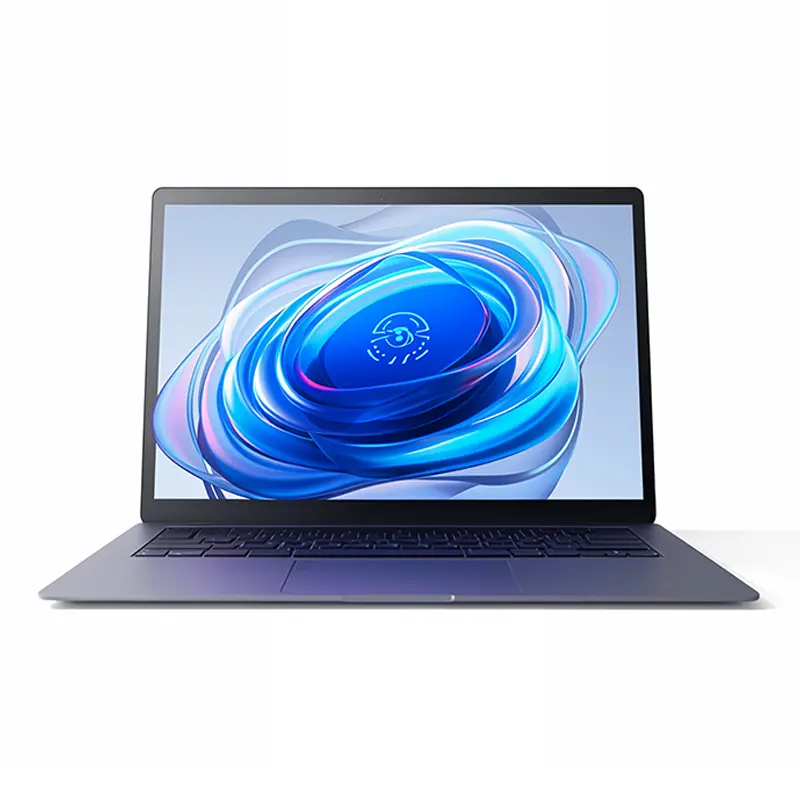
 Fingerprint Business Notebook
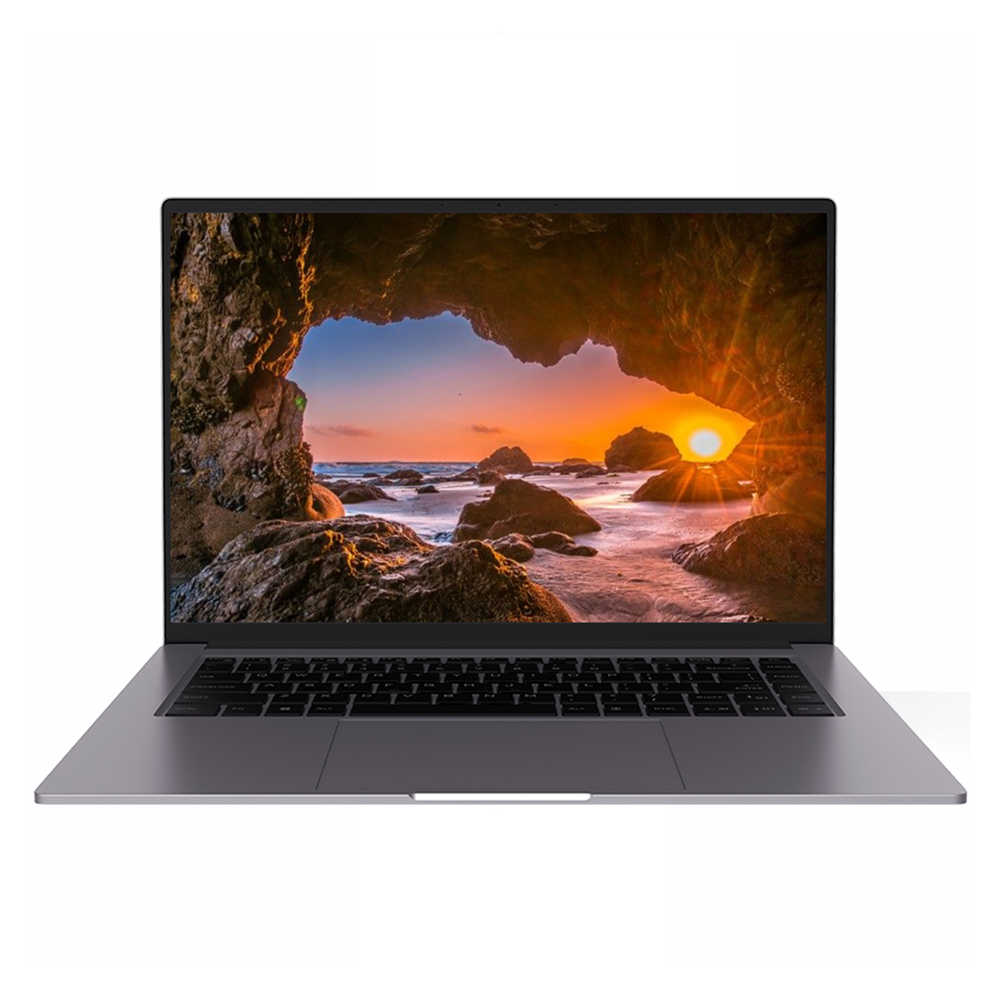
 Big Screen Laptop
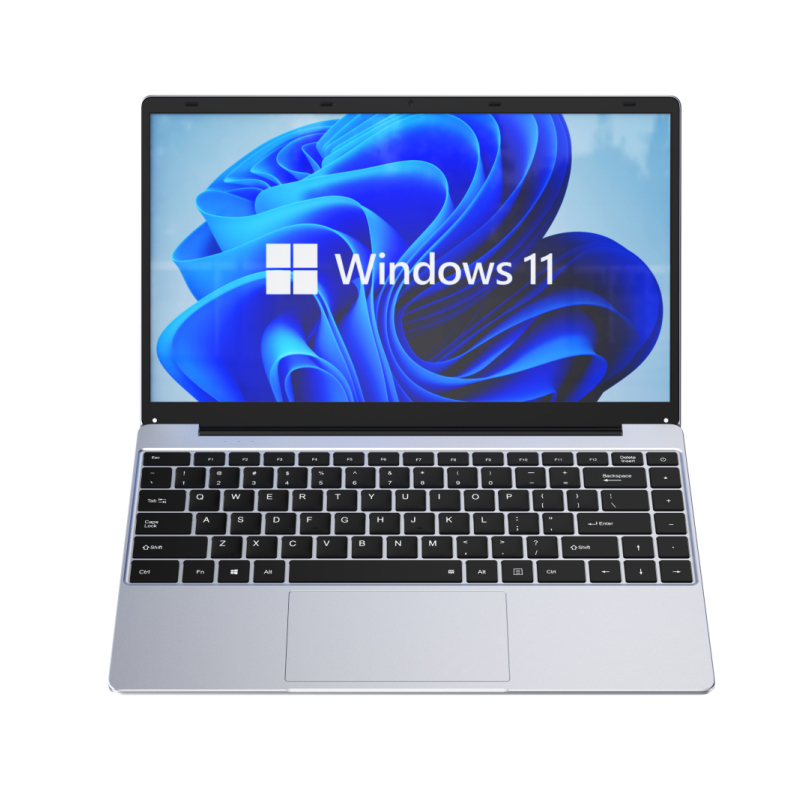
 HD Gaming Laptop
 14.1 Inch Student laptops
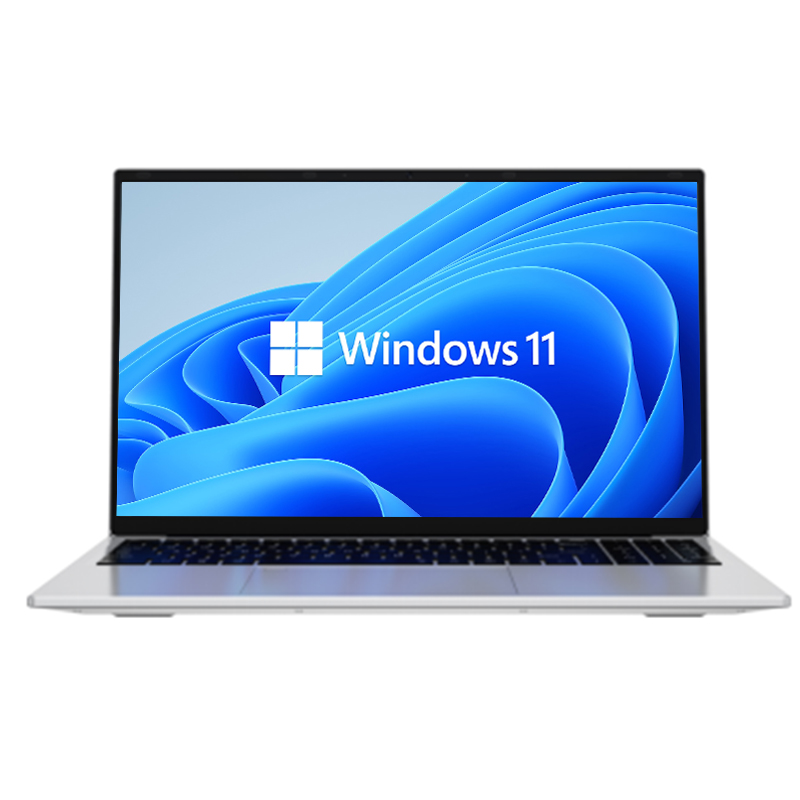 16.1 Inch Office Laptops
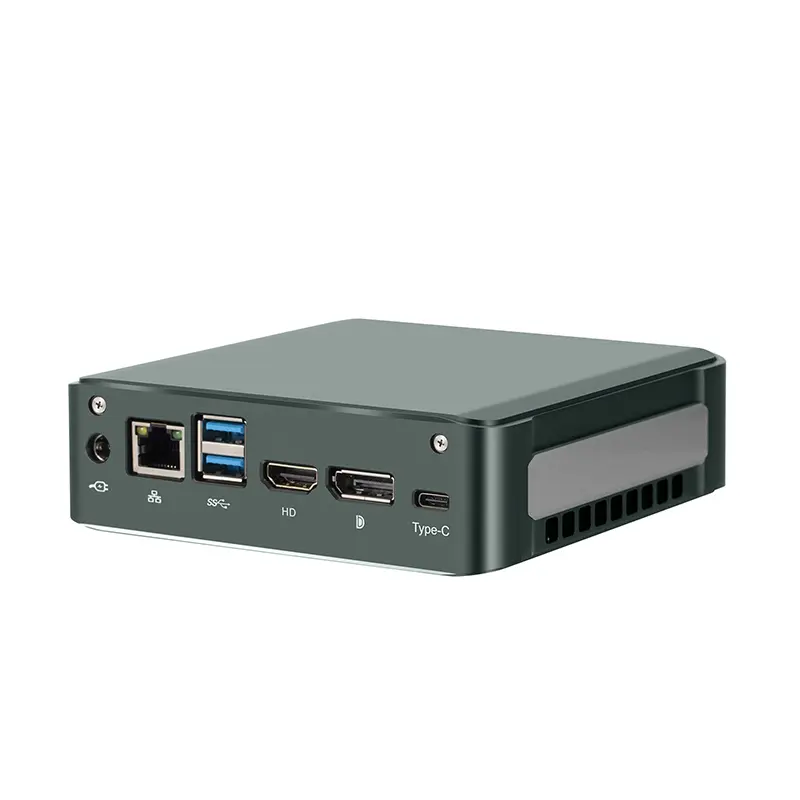 Home Mini Host
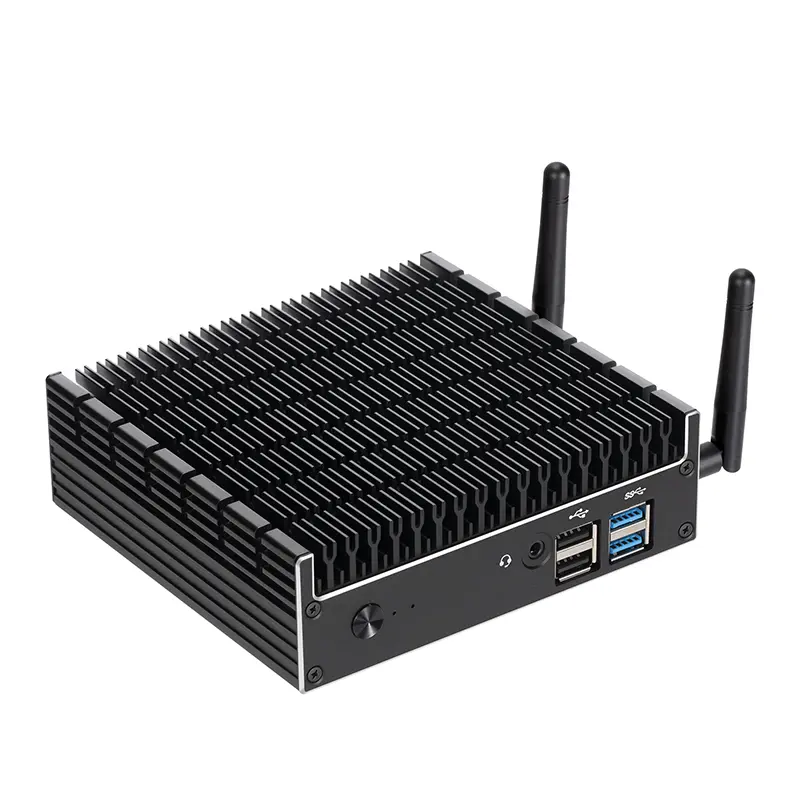 Industrial Micro PC
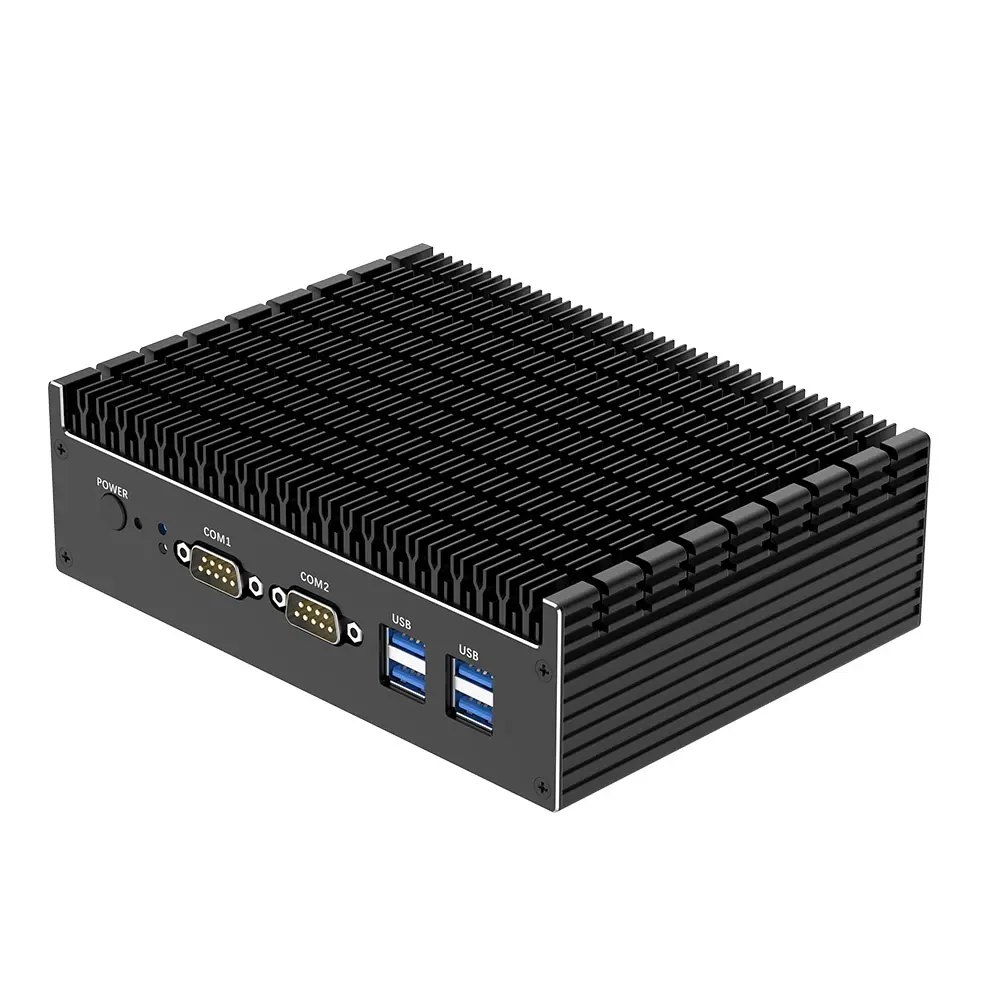 Fanless Industrial Mini PC
 Commercial Mini PC
 RTX3050TI Game Mini PC
 Micro Mini PC
 Fanless Mini PC
 High-end Mini PC
 More
More Micro ATX Computer Motherboard