Why Should You Consider a Tiny PC for Your Home Office Setup
In today’s rapidly evolving digital landscape, creating an efficient and aesthetically pleasing home office setup has become a top priority for many individuals. One innovative solution that has gained traction is the Tiny PC, a compact and powerful tool that can transform your workspace without sacrificing performance. As remote work continues to thrive, the desire for versatile equipment that can streamline tasks and boost productivity is more pertinent than ever.
Tiny PCs are designed to occupy minimal space while offering robust computing capabilities, making them an ideal choice for those looking to optimize their home office. Their sleek design not only enhances the visual appeal of your workspace but also provides the flexibility to be easily integrated into any environment, whether you have a dedicated office room or a corner of your living area.
Moreover, the technological advancements in Tiny PCs have made them capable of handling a wide range of applications, from basic document processing to more demanding tasks such as graphic design and video editing. Emphasizing space-saving technology and energy efficiency, Tiny PCs present an attractive alternative to traditional desktop setups. As you explore the possibilities of a functional and stylish home office, considering a Tiny PC could be the key to achieving the perfect balance between space, performance, and design.
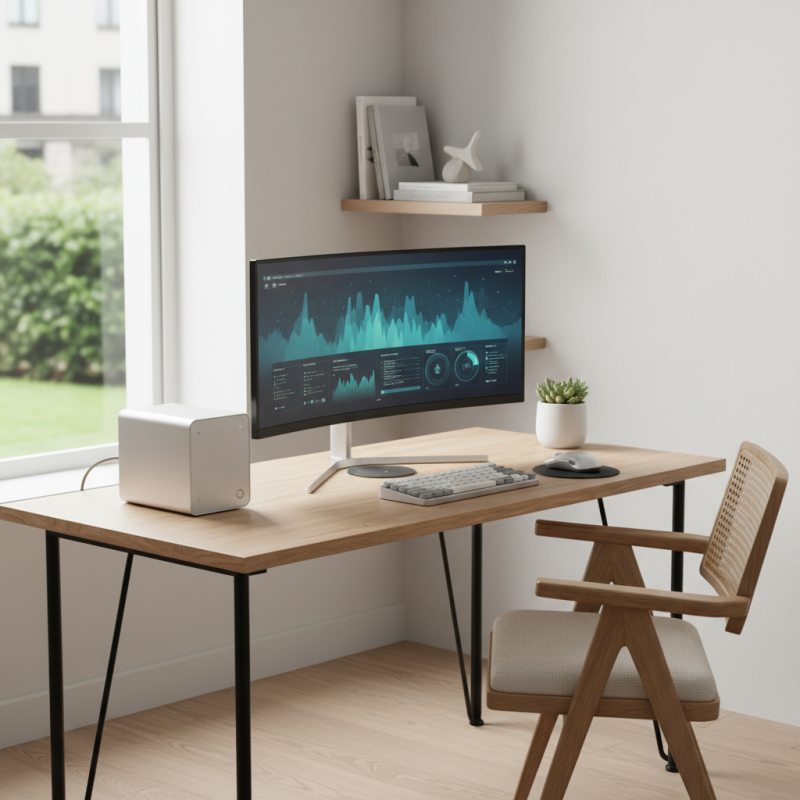
Benefits of Using a Tiny PC for Limited Home Office Space
As remote work becomes increasingly prevalent, the need for efficient use of limited home office spaces has grown. A tiny PC can be a game-changer, particularly for individuals confined to smaller workspaces. According to a report by the International Data Corporation (IDC), compact and efficient computing solutions are expected to see an increase in sales by over 20% in the coming years, reflecting a rising trend among remote workers seeking to optimize their setups.
Tiny PCs offer several advantages in constrained environments. Firstly, they typically occupy significantly less physical space than traditional desktop computers, allowing users to create a clutter-free area that promotes productivity. A study by Gartner revealed that a well-organized workspace can improve output by up to 30%. Furthermore, many tiny PCs come equipped with powerful processors and ample storage, making them capable of handling demanding tasks without the bulkiness of standard desktop systems. This balance of size and power is ideal for professionals who need to function efficiently in tight quarters.
Additionally, energy efficiency is a notable benefit of tiny PCs. A report by the Energy Star program indicates that smaller form-factor computers use around 50% less energy than standard desktops, making them not only environmentally friendly but also cost-effective over time. This energy reduction can contribute to savings on electricity bills, providing an added incentive for those working from home. Thus, for individuals looking to maximize both space and efficiency, a tiny PC presents an attractive solution in today’s evolving work landscape.
The Performance Comparison: Tiny PCs vs. Traditional Desktops
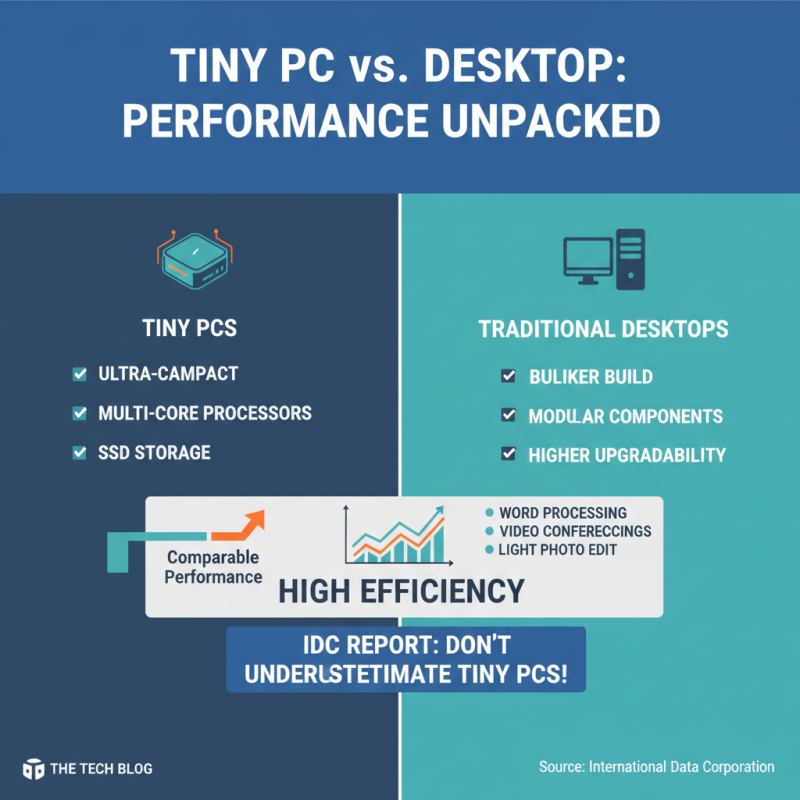
When it comes to home office setups, the performance comparison between tiny PCs and traditional desktops reveals that small form factor PCs are not to be underestimated. According to a report by the International Data Corporation (IDC), tiny PCs can deliver remarkable processing power for common office tasks, often leveraging the latest advancements in multi-core processors and solid-state drives. With benchmarks showing that many tiny PCs achieve performance scores comparable to traditional desktops in terms of tasks like word processing, video conferencing, and light photo editing, they present a viable alternative for professionals seeking efficiency without the bulk.
Moreover, as the demand for increasingly portable and space-efficient technology grows, tiny PCs are becoming increasingly equipped to handle demanding applications. Research by Gartner indicates that improvements in thermal design and energy efficiency in miniature systems have led to devices that can sustain prolonged usage without overheating. In fact, tiny PCs often consume considerably less power, typically requiring between 15 to 30 watts, compared to the 200 to 500 watts of traditional desktops, thereby reducing both environmental impact and electricity costs. This balance of performance and efficiency makes tiny PCs a compelling choice for the modern home office, where space and sustainability matter.
Cost Efficiency of Tiny PCs: Initial Investment and Long-Term Savings
Tiny PCs are gaining recognition as efficient solutions for home office setups, especially when examining their cost efficiency. According to a report by Gartner, companies can save up to 30% on IT costs by adopting compact computing solutions. This is primarily due to lower initial investment and reduced energy consumption compared to traditional desktop systems. A typical tiny PC can cost around $300 to $600, while a standard desktop may range from $700 to $1,500, making tiny PCs an attractive entry point for budget-conscious individuals.
In addition to the lower upfront costs, long-term savings associated with tiny PCs are noteworthy. A study by the International Energy Agency (IEA) found that compact computers consume significantly less power — often around 50-80% less than conventional PCs. This translates to reduced electricity bills, making a tiny PC not just an economical option for the initial purchase but also a financially smart choice over time. With an average annual energy cost of $200 for a standard desktop, the energy savings from using a tiny PC can add up significantly, further contributing to its overall cost-effectiveness in a home office environment.
Energy Consumption and Environmental Impact of Tiny PCs
The growing popularity of tiny PCs in home office setups is closely linked to their impressive energy efficiency and diminished environmental impact. According to a report by the International Energy Agency (IEA), traditional desktop computers consume an average of 250-600 watts, whereas tiny PCs typically operate at just 10-50 watts. This substantial reduction in power consumption not only leads to lower energy bills but also contributes to decreased electricity demand, which is crucial for minimizing greenhouse gas emissions associated with power generation.
Moreover, tiny PCs are often made from sustainable materials and designed for longevity, reducing the frequency of replacements. A study by the Ellen MacArthur Foundation highlights that electronic waste (e-waste) is one of the fastest-growing waste streams globally, with an estimated 50 million tons produced in 2019 alone.
By adopting tiny PCs, which are inherently designed to be more modular and repairable, users can help mitigate this pressing environmental challenge. Transitioning to such energy-efficient technology, therefore, equates to a smaller carbon footprint, aligning with global efforts to achieve sustainability and reduce environmental impact in everyday life.
Portability and Versatility: Tailoring Your Home Office Setup with Tiny PCs
As remote work continues to gain traction, many professionals are reevaluating their home office setups. A tiny PC offers an excellent blend of portability and versatility, making it an ideal choice for those seeking to optimize their workspace. According to a recent industry report, the market for mini PCs is expected to grow at a compound annual growth rate of 12% over the next five years, reflecting the increasing demand for space-efficient technology solutions. Tiny PCs can easily be stored away or transported, allowing for a more flexible work environment—whether that’s moving from room to room or even taking your work with you on trips.
When tailoring your home office with a tiny PC, consider how to integrate it seamlessly with your existing equipment. With their compact size, these devices can easily fit into tight spaces on your desk, freeing up room for other essentials like notebooks, office supplies, or a coffee maker. Furthermore, many mini PCs come equipped with versatile connectivity options, which can enhance your productivity by allowing you to connect multiple monitors or peripherals without cumbersome setups.
Tips: When setting up your tiny PC, ensure adequate ventilation to prevent overheating—placing it on a stand or using cooling pads can make a significant difference. Also, think about the ergonomic aspects of your workspace; adjusting the height of your monitors and keyboard will create a healthier work environment. Lastly, don’t overlook the importance of cabling; utilizing cable management solutions can keep your workspace clutter-free, allowing for a more organized and efficient setup.
Benefits of Tiny PCs for Home Office Setup

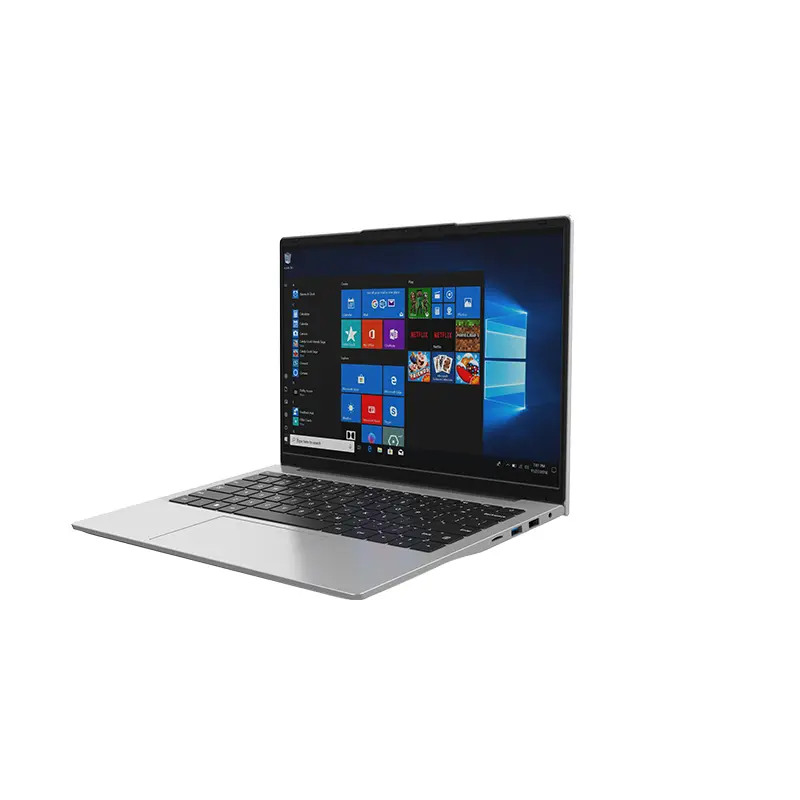 14 Inch Office Notebook
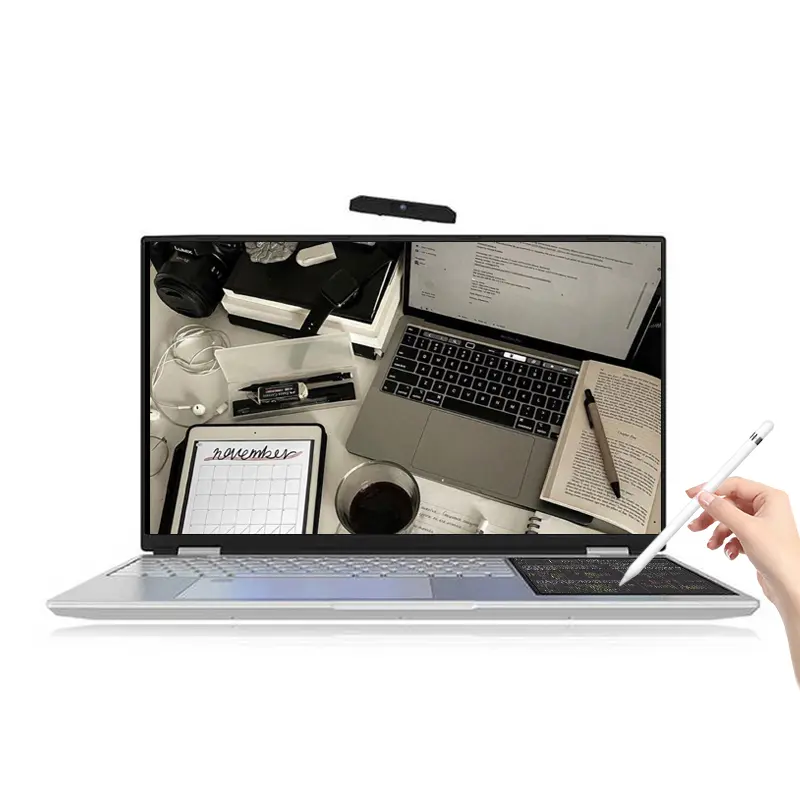 Dual Screen Laptop
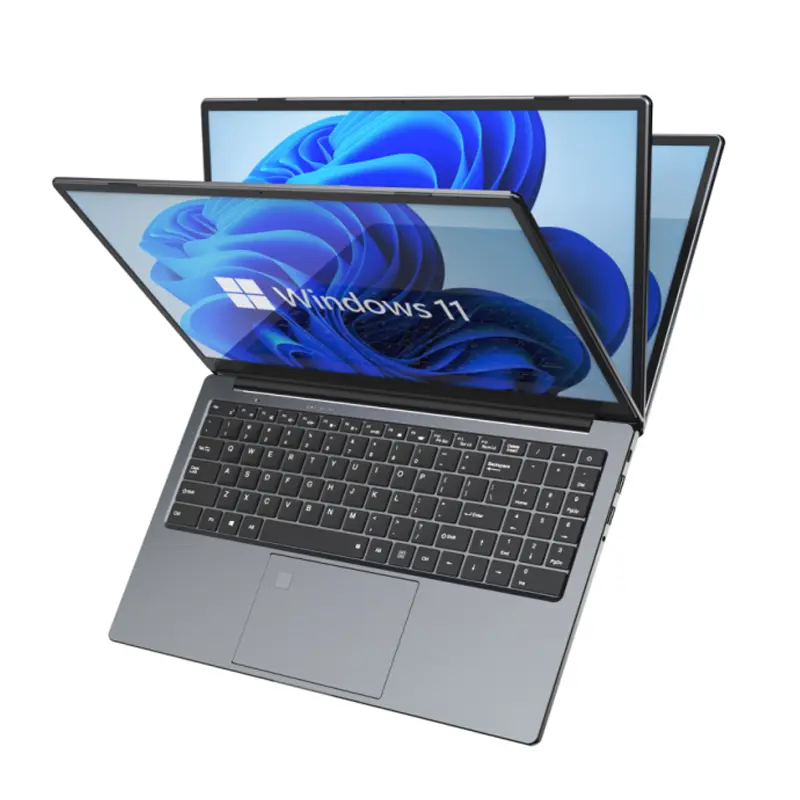 Fingerprint Business Notebook
 Big Screen Laptop
 HD Gaming Laptop
 14.1 Inch Student laptops
 16.1 Inch Office Laptops
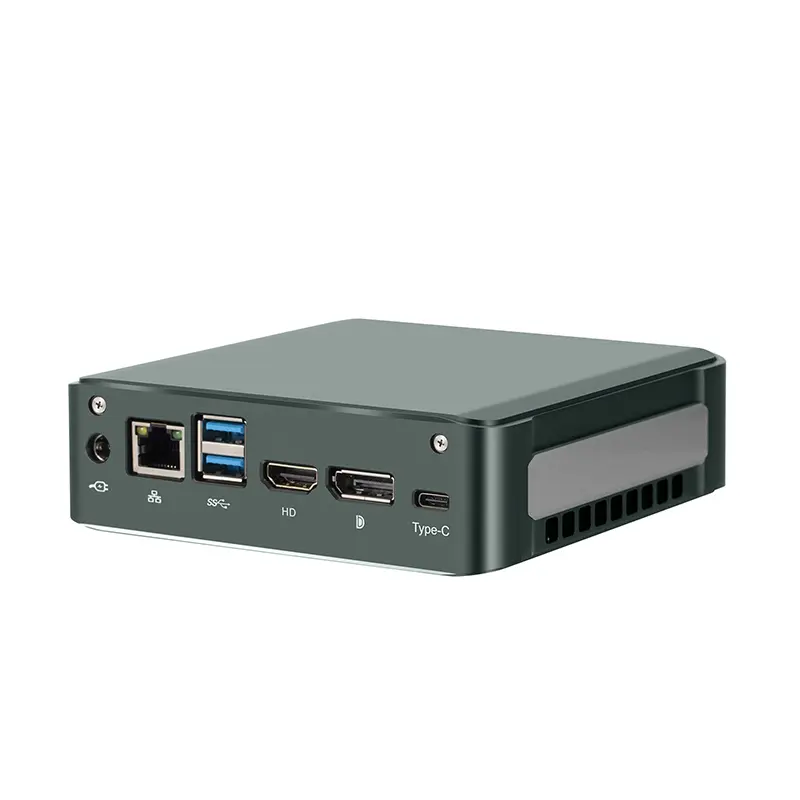 Home Mini Host
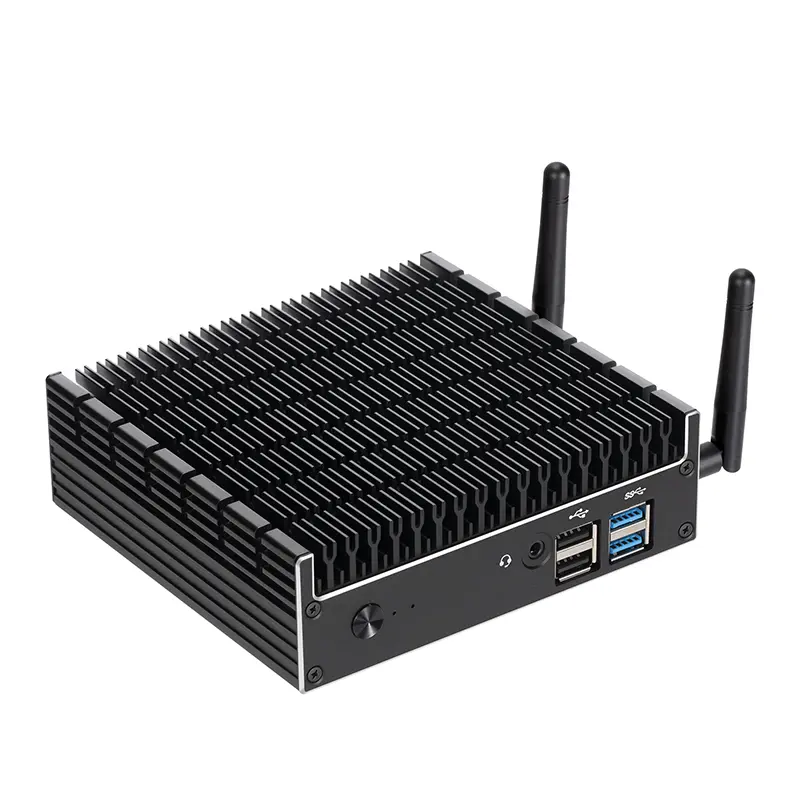 Industrial Micro PC
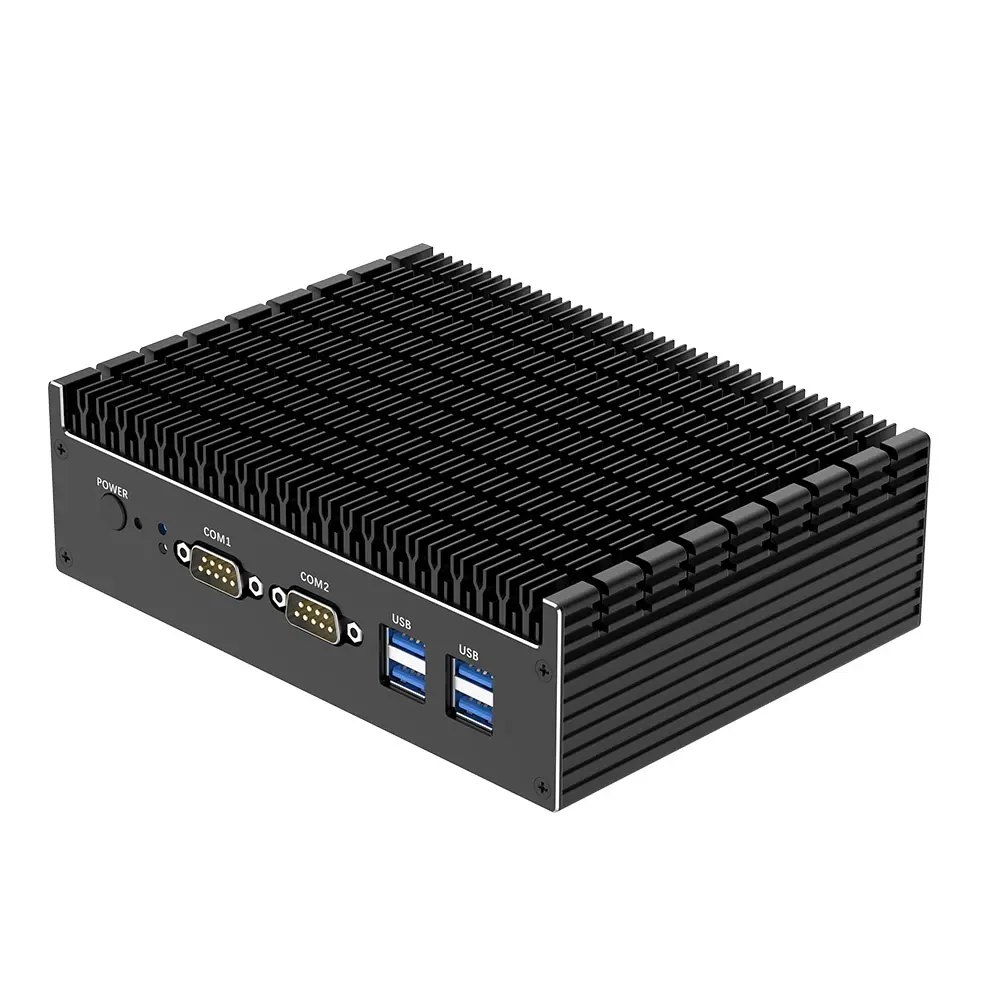 Fanless Industrial Mini PC
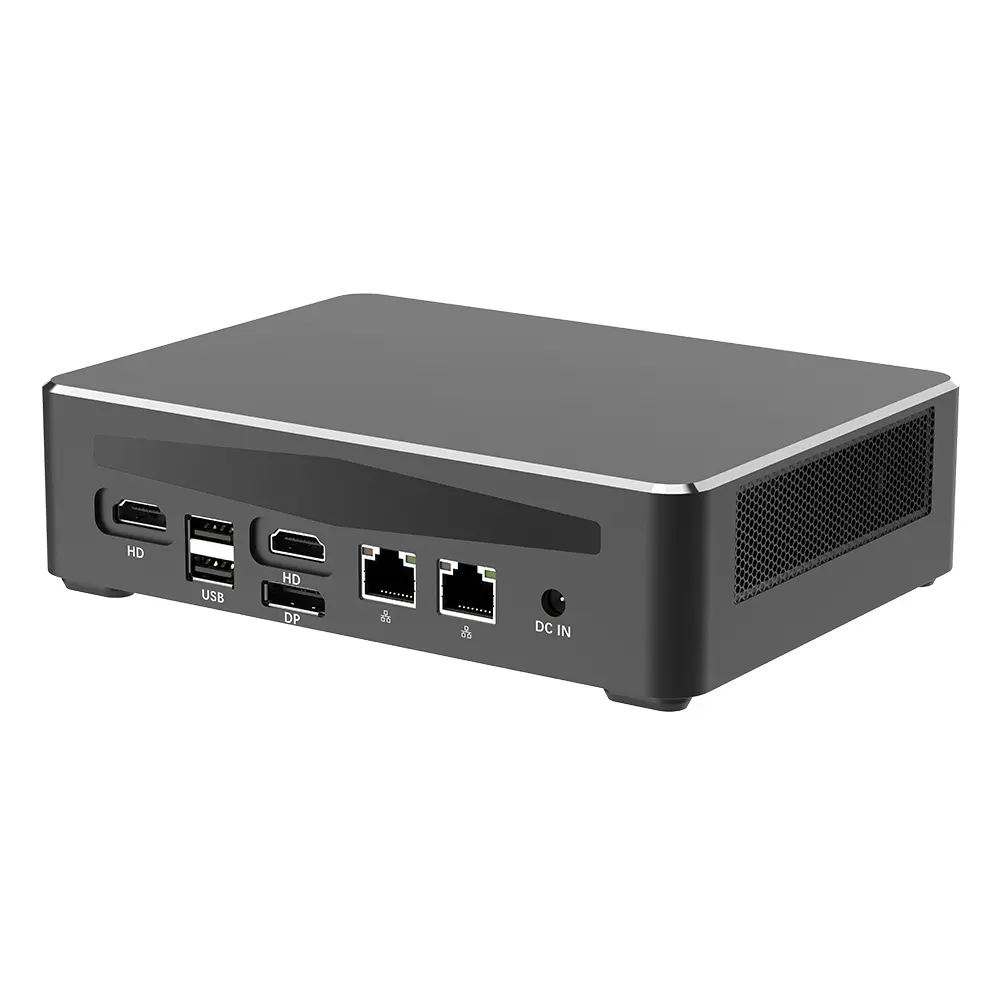 Commercial Mini PC
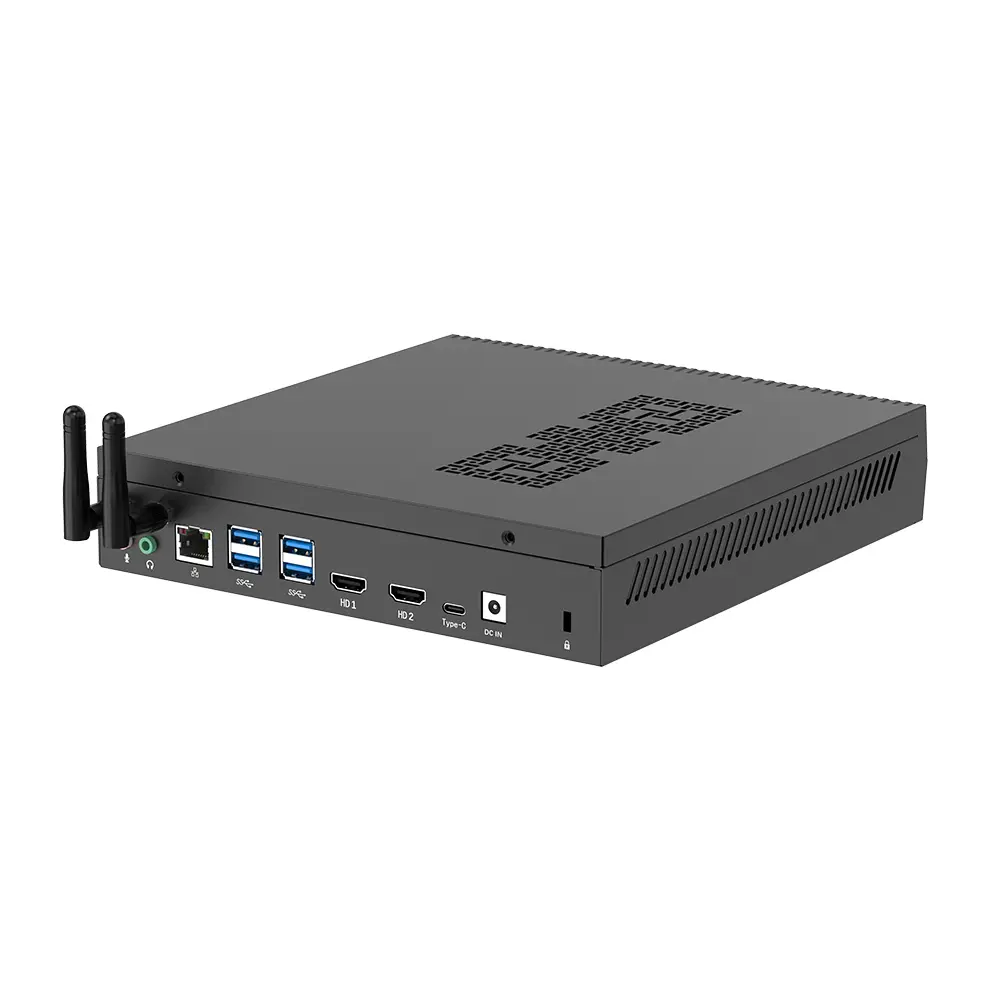 RTX3050TI Game Mini PC
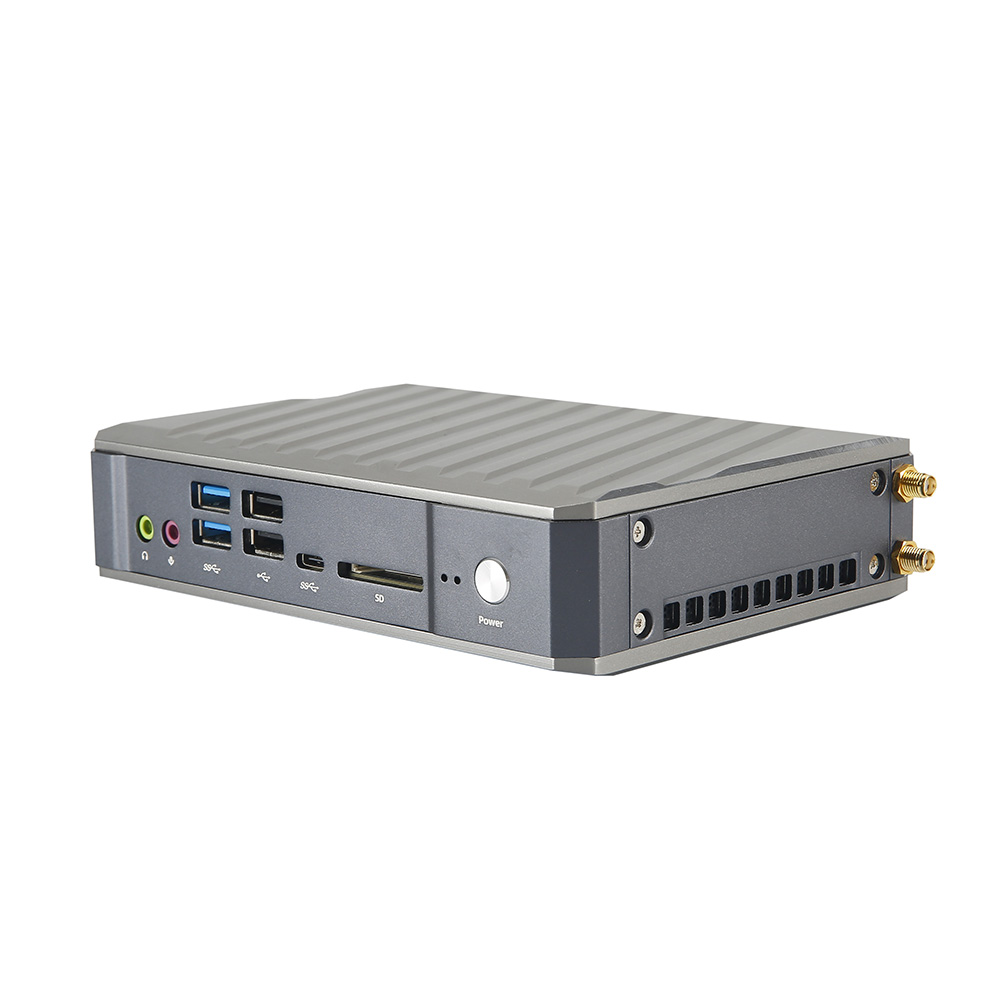 Micro Mini PC
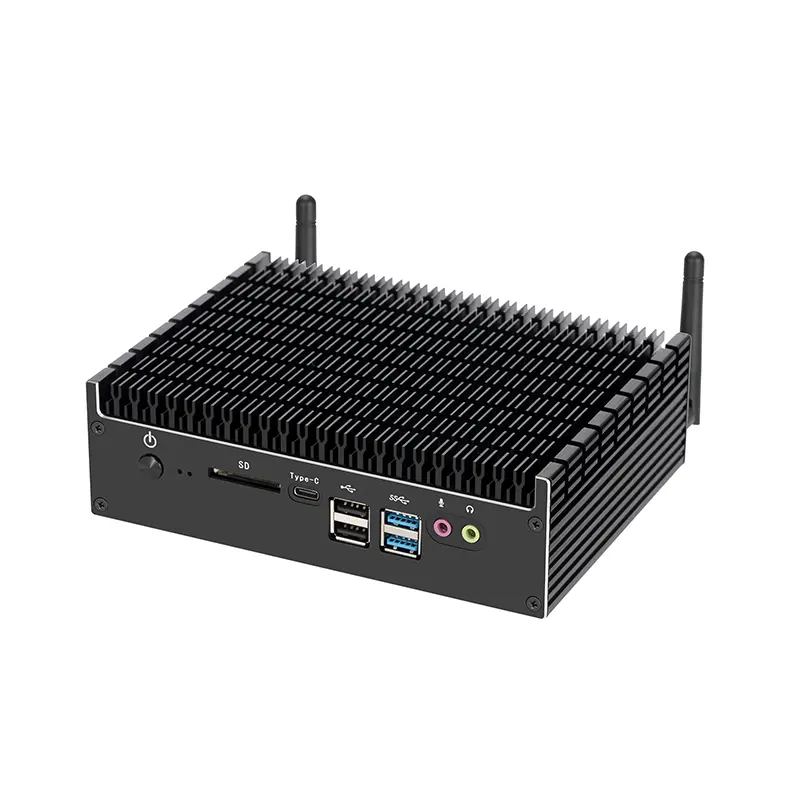 Fanless Mini PC
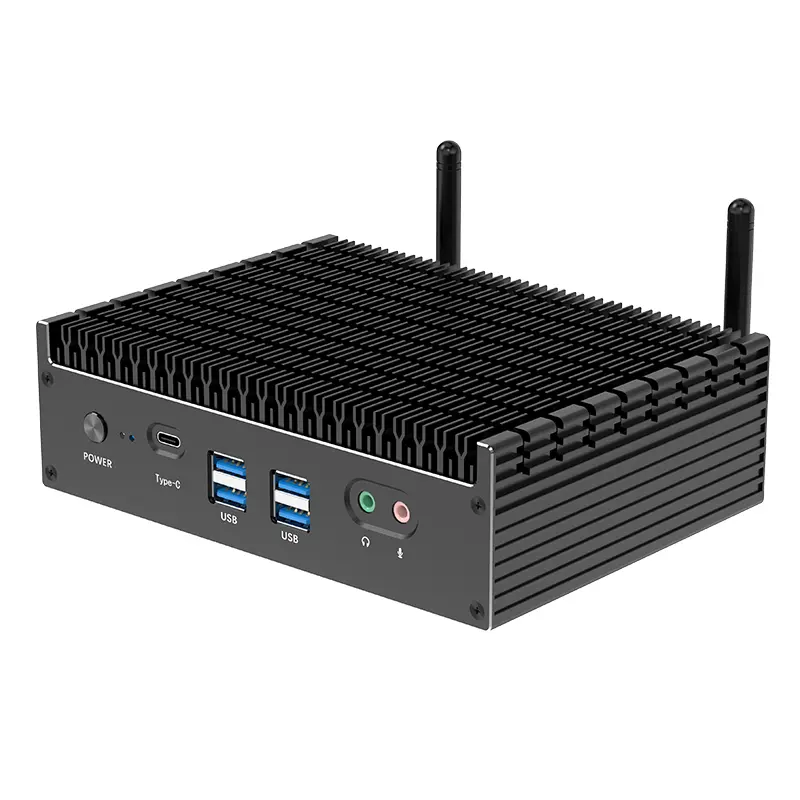 High-end Mini PC
 More
More Micro ATX Computer Motherboard