Top 10 Micro PCs: Best Mini Computers for Your Home Office in 2023
As the demand for efficient and space-saving computing solutions continues to rise, Micro PCs have emerged as a popular choice for home office setups. According to recent reports by industry analysts, the global market for micro PCs is projected to grow at a compound annual growth rate (CAGR) of over 15% through the next five years, driven by the need for compact devices that do not compromise on performance. This trend is particularly significant as more professionals seek versatile and portable computing options that fit seamlessly into smaller living and working environments.
The shift towards remote work and hybrid models has accelerated the adoption of Micro PCs, which are not only energy-efficient but also equipped with sufficient processing power to handle various tasks. A study conducted by a leading technology research firm revealed that over 60% of remote workers prefer smaller PCs due to their space-saving attributes and affordability. This transition highlights the importance of selecting the right Micro PC that combines functionality, efficiency, and modern design to cater to the diverse needs of today's workforce. As we explore the top contenders in the Micro PC market for 2023, it becomes clear that these mini computers are redefining the future of home office technology.
Overview of Micro PCs and Their Growing Popularity
The increasing demand for micro PCs reflects a significant shift in the landscape of personal computing, particularly as more professionals adapt to remote work scenarios. According to a report by IDC, the global market for miniaturized computers is expected to grow at a compound annual growth rate (CAGR) of over 8.2% from 2022 to 2026. This surge can be attributed to the growing preference for compact, energy-efficient devices that can seamlessly integrate into home office setups, providing users with more space and reducing clutter.
Micro PCs are appealing for their versatile functionality, offering capabilities that rival traditional desktop systems while occupying a fraction of the space. A survey by Gartner highlights that over 60% of remote workers prefer devices that are portable yet powerful enough to handle everyday tasks such as video conferencing and document editing. As a result, many businesses are investing in micro PC solutions to enhance productivity and maintain an agile workspace, allowing employees to customize their environments without sacrificing performance.
This trend not only emphasizes the importance of efficient technology in today’s work culture but also showcases the potential for micro PCs to meet diverse user needs in both personal and professional contexts.
Key Features to Consider When Choosing a Micro PC
When selecting a micro PC for your home office in 2023, several key features warrant careful consideration to ensure that your choice aligns with your work requirements and productivity goals.
Firstly, processing power is crucial. Many professionals opt for mini computers equipped with at least a quad-core processor, as studies indicate that a multicore setup can enhance performance by up to 50% when multitasking, a common scenario in today's work environment.
Furthermore, the RAM capacity is equally vital; models with a minimum of 8GB are recommended to handle multiple applications simultaneously without significant slowdowns.
Additionally, storage options play a significant role in the overall efficiency and speed of a micro PC. Solid-state drives (SSDs) are far superior to traditional hard disk drives (HDDs), providing faster boot times and quicker file access. Recent reports highlight that SSDs can improve data read speeds by more than 200%, which is a critical factor when dealing with large files or extensive datasets.
Connectivity features should not be overlooked either; having multiple USB ports, HDMI outputs, and reliable Wi-Fi options is essential for seamless integration with existing peripherals and networks. Thus, understanding these core features will help you make an informed decision and select a micro PC that suits your professional needs effectively.
Top 10 Micro PCs for Home Office Use in 2023
The rise of micro PCs has transformed home office setups, providing compact yet powerful solutions for everyday computing needs. As of 2023, industry reports indicate that the demand for mini computers has surged by over 25% compared to the previous year. This significant growth is attributed to the increasing shift towards remote work, where professionals seek space-efficient devices that do not compromise on performance. Equipped with capabilities that can rival traditional desktop setups, these micro PCs often feature modern processors, ample RAM, and advanced connectivity options, making them ideal for multitasking and productivity.
According to a recent report by the International Data Corporation (IDC), more than 75% of remote workers identify efficiency and space optimization as crucial factors in their equipment choices. The compact design of micro PCs allows them to fit seamlessly into various home office environments, appealing to both minimalists and tech enthusiasts. Moreover, advancements in cooling technology and energy efficiency ensure that these devices maintain reliable performance without overheating or consuming excessive power. As remote work continues to redefine the traditional office landscape, micro PCs are poised to play an essential role in enhancing work-from-home experiences for professionals around the globe.
Comparative Analysis of Performance and Specifications
The demand for micro PCs has surged in recent years, driven by remote work trends and the need for compact computing solutions. According to a report by IDC, the global market for mini computers is expected to grow at a compound annual growth rate (CAGR) of 10% through 2025, reflecting a strong preference for space-saving devices that do not compromise on performance. This comparative analysis of the top micro PCs available in 2023 outlines essential specifications, including processing power, memory capacity, and graphical performance, which are critical for home office setups.
When examining the performance of these mini computers, factors such as CPU architecture and RAM allocation play a pivotal role. Recent findings from PassMark Software indicate that processors with multi-core designs deliver superior performance in multitasking scenarios, catering to the needs of professionals who often run multiple applications simultaneously.
Additionally, devices equipped with at least 16GB of RAM are becoming the standard to ensure seamless operation during intensive tasks like video conferencing or graphic design. Furthermore, integrated graphics capabilities have significantly improved, allowing users to enjoy decent performance without requiring a dedicated GPU, making these systems more versatile for various tasks beyond just basic computing.
Budget Considerations for Purchasing Micro PCs
When considering the purchase of a micro PC for your home office, budget plays a crucial role in determining which device will best meet your needs. Micro PCs come in various price ranges, and understanding your requirements can help you navigate the options available. First, establish your primary use case: are you primarily using it for basic tasks like web browsing and document editing, or do you need performance for more demanding applications? Your answer will significantly influence the level of investment required.
Moreover, it's essential to account for additional expenses that may arise beyond the initial purchase price. Accessories such as monitors, keyboards, and mice can add to the overall cost. Additionally, if you opt for a model with limited storage or memory, you may find yourself needing to upgrade sooner rather than later, leading to further expenditures.
Be sure to weigh all these factors and consider the longevity and upgradability of the systems you are looking at to ensure that your investment brings you value over time. Ultimately, careful planning based on your budget can lead to a purchase that enhances your productivity without causing financial strain.

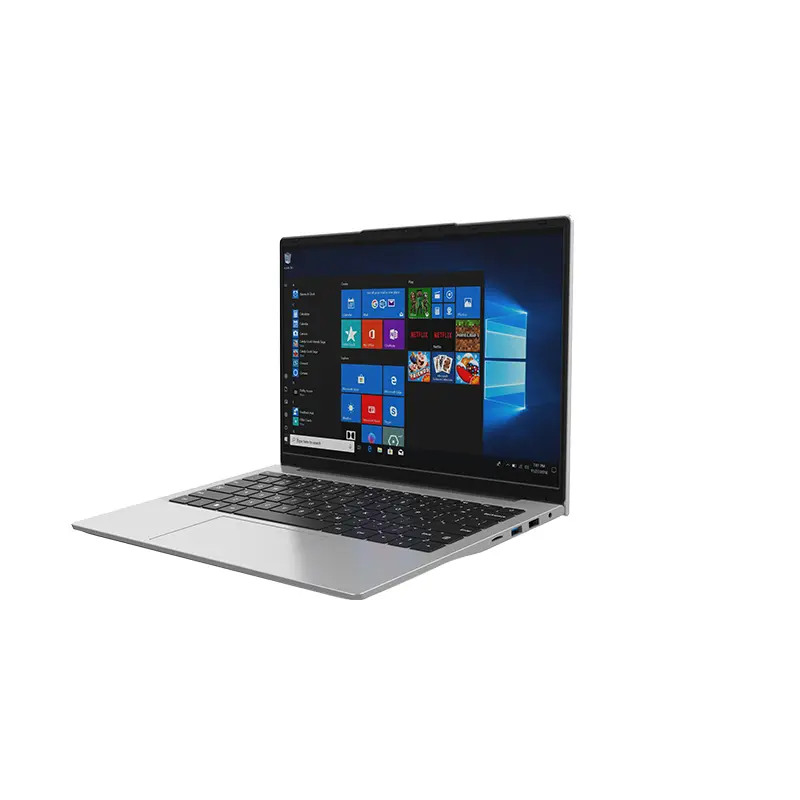 14 Inch Office Notebook
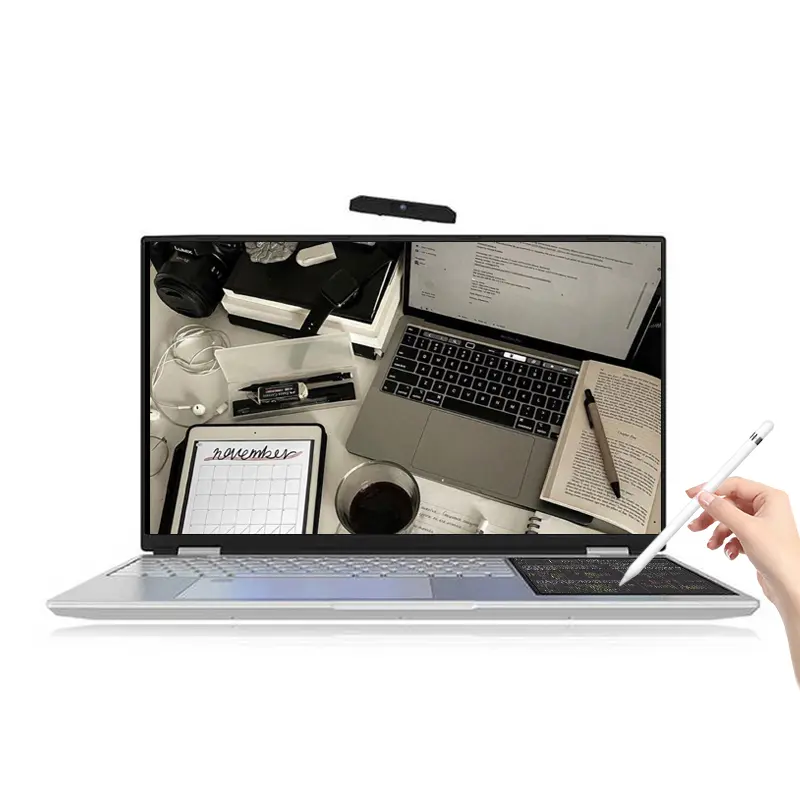 Dual Screen Laptop
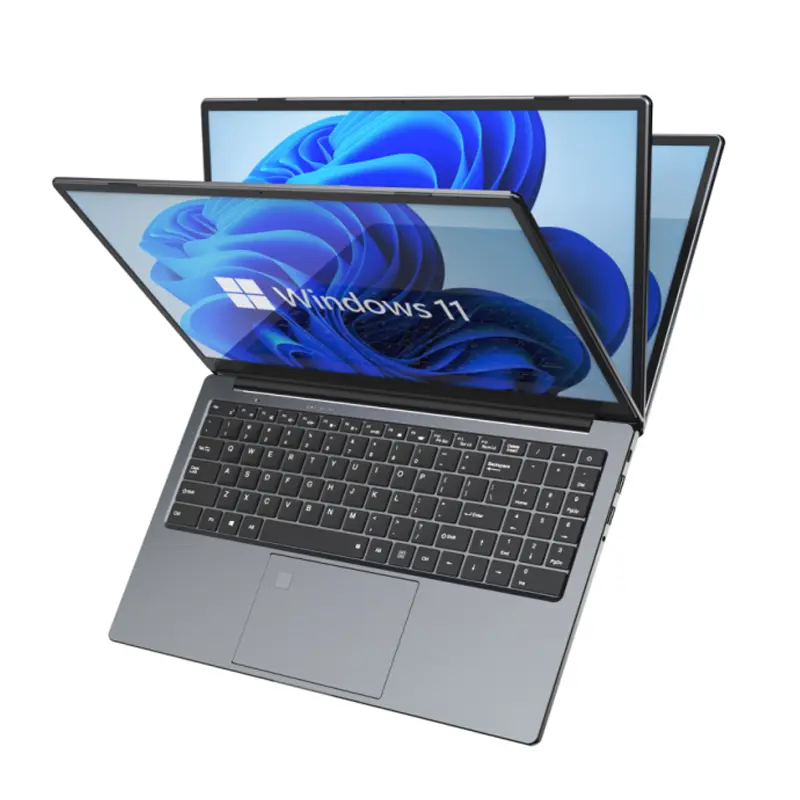 Fingerprint Business Notebook
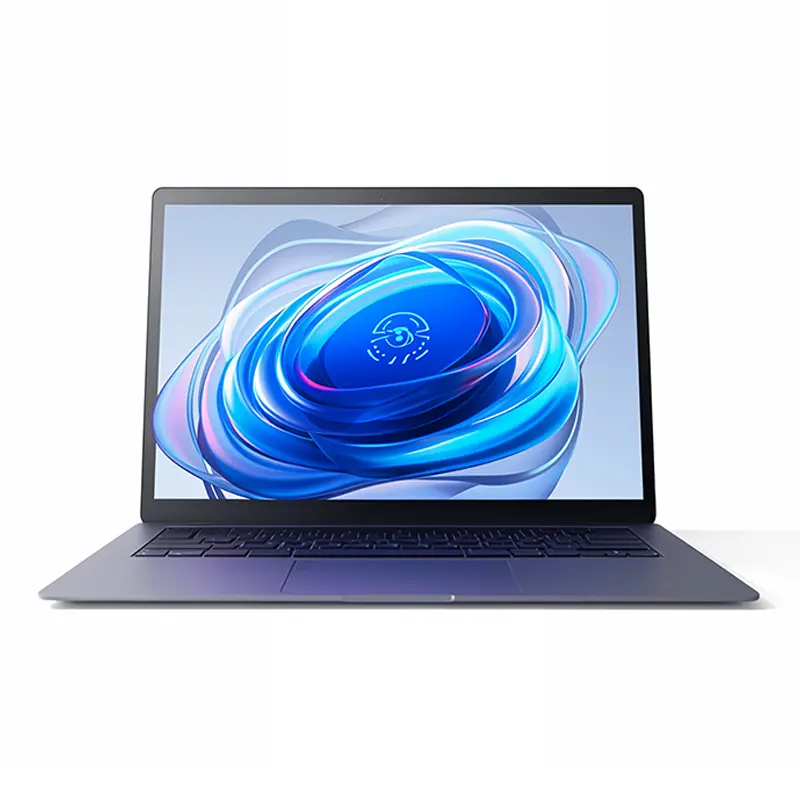 Big Screen Laptop
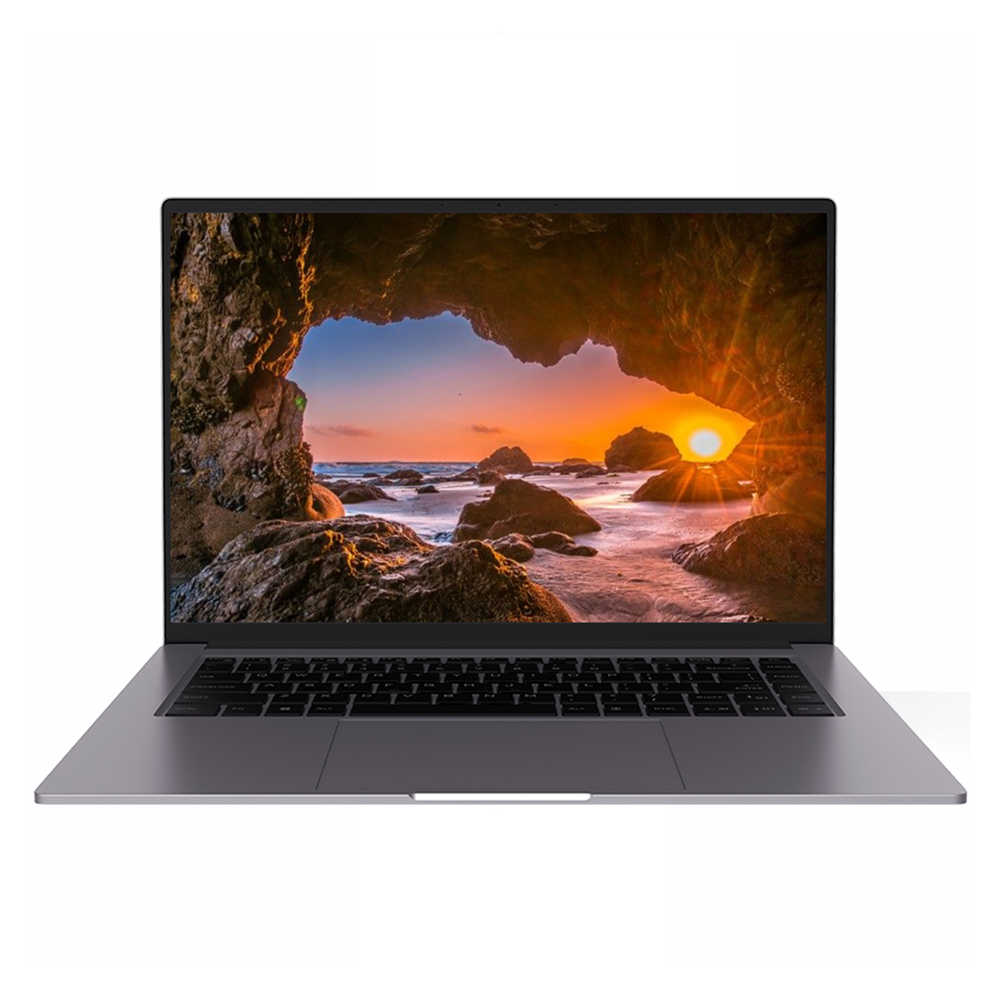 HD Gaming Laptop
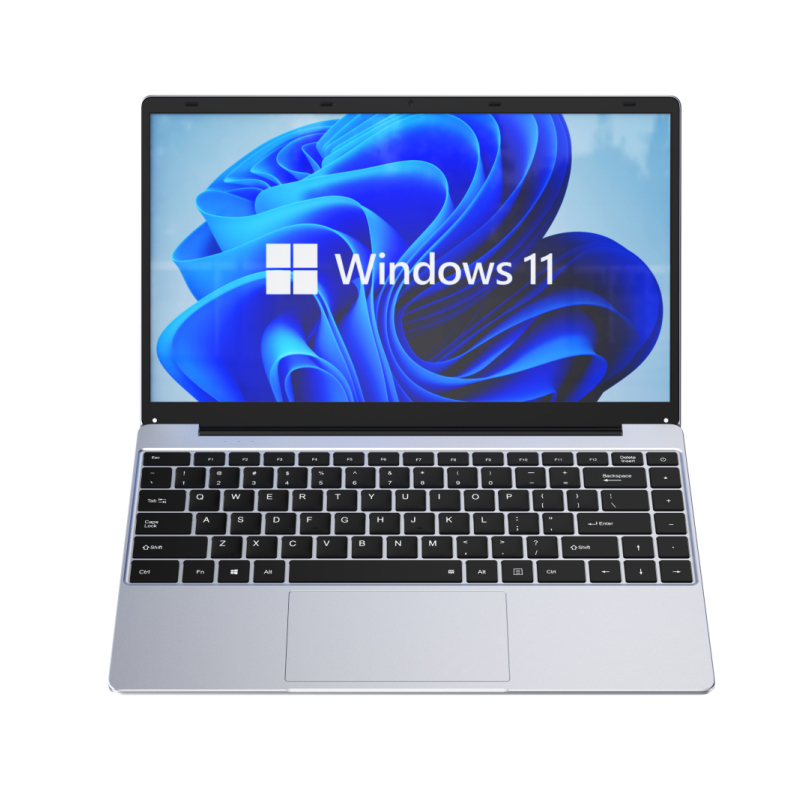 14.1 Inch Student laptops
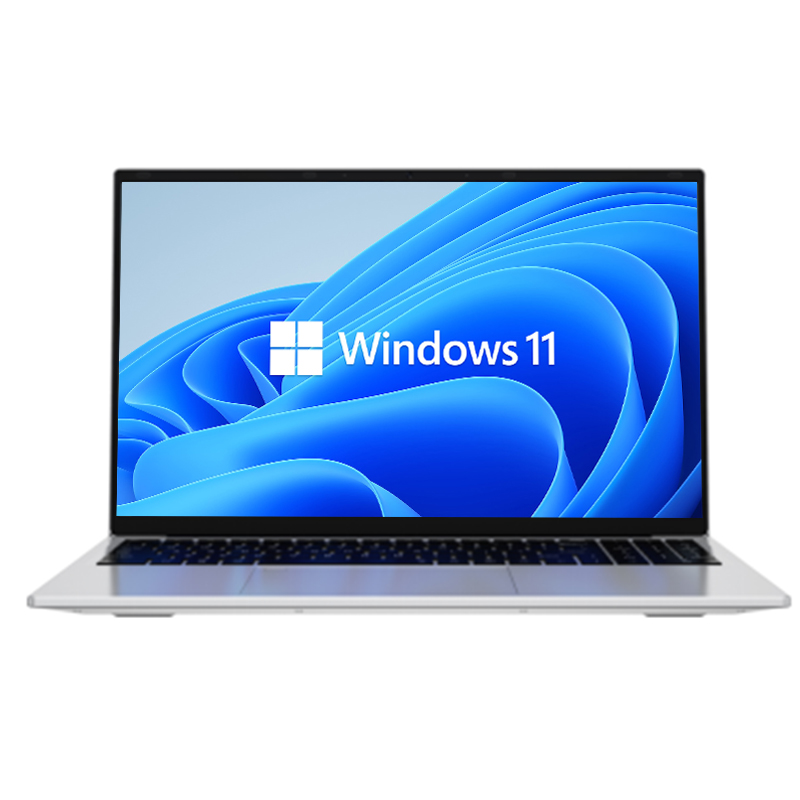 16.1 Inch Office Laptops
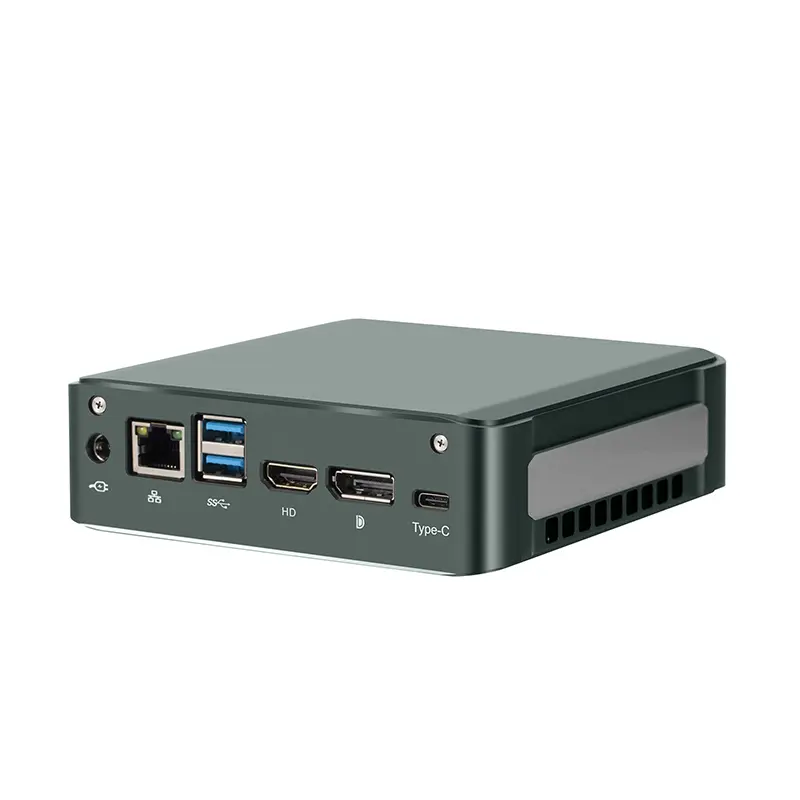 Home Mini Host
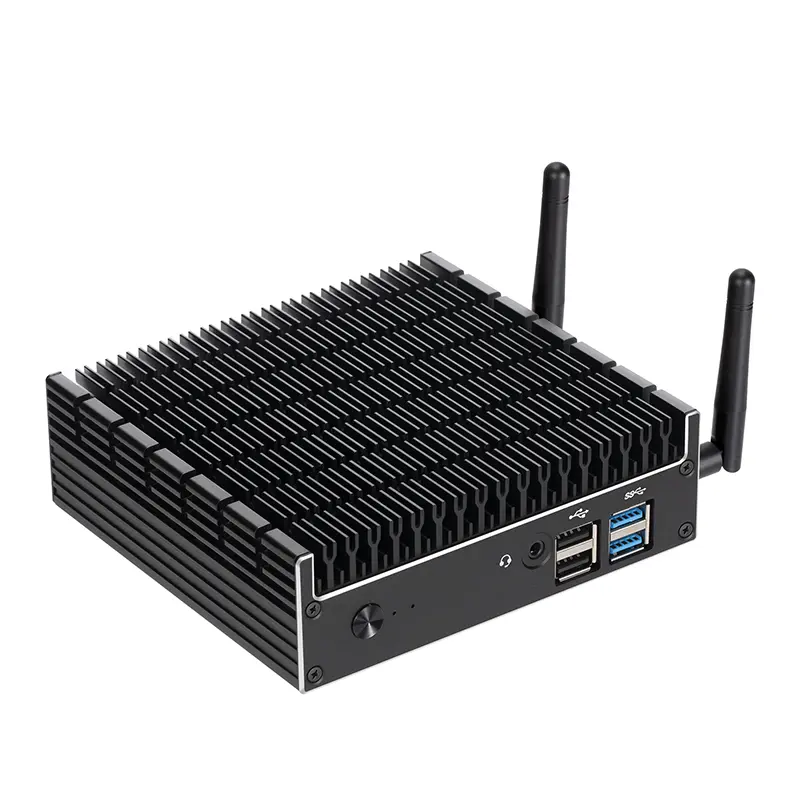 Industrial Micro PC
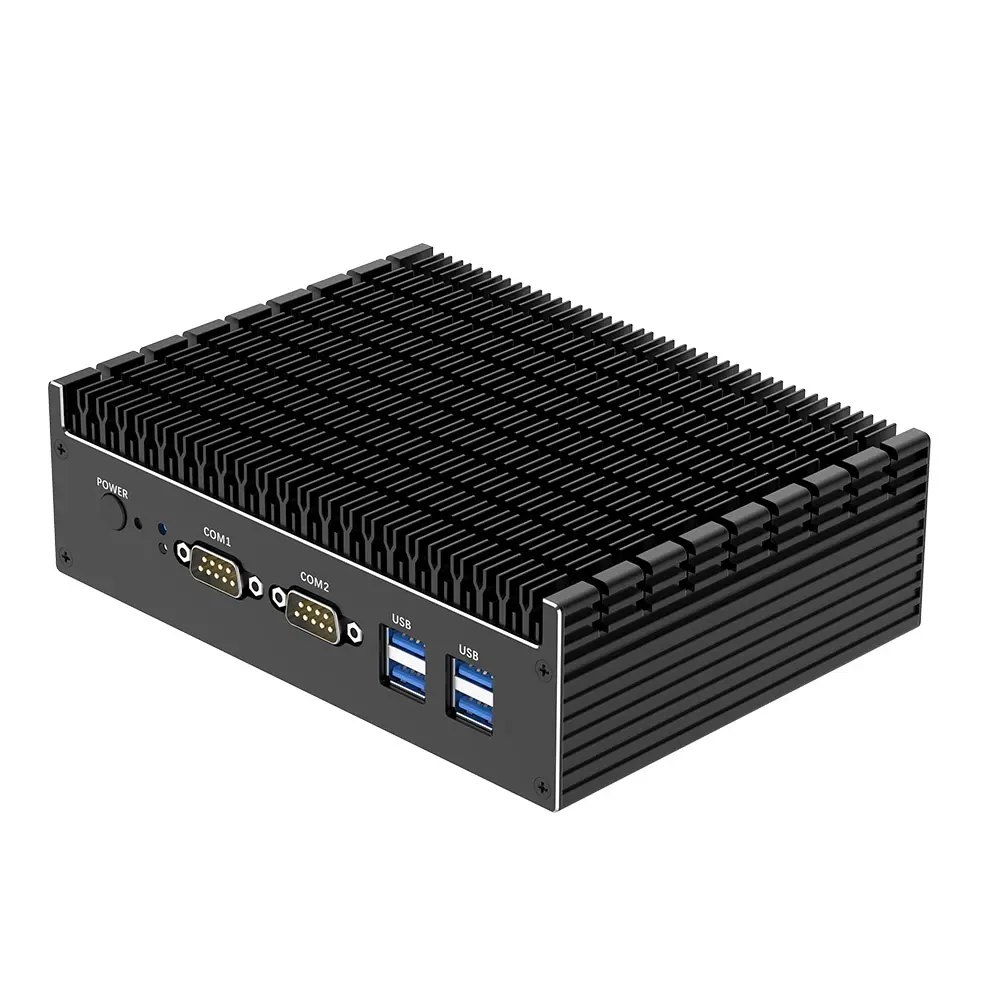 Fanless Industrial Mini PC
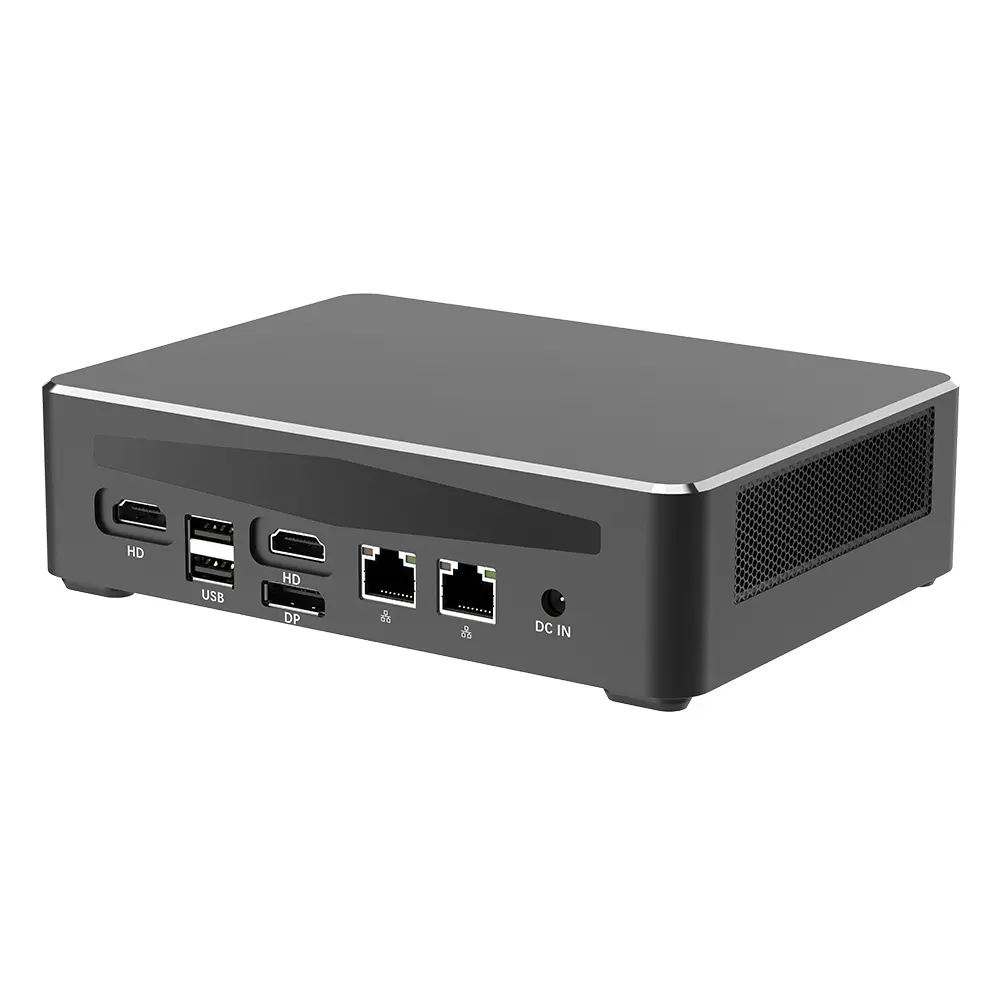 Commercial Mini PC
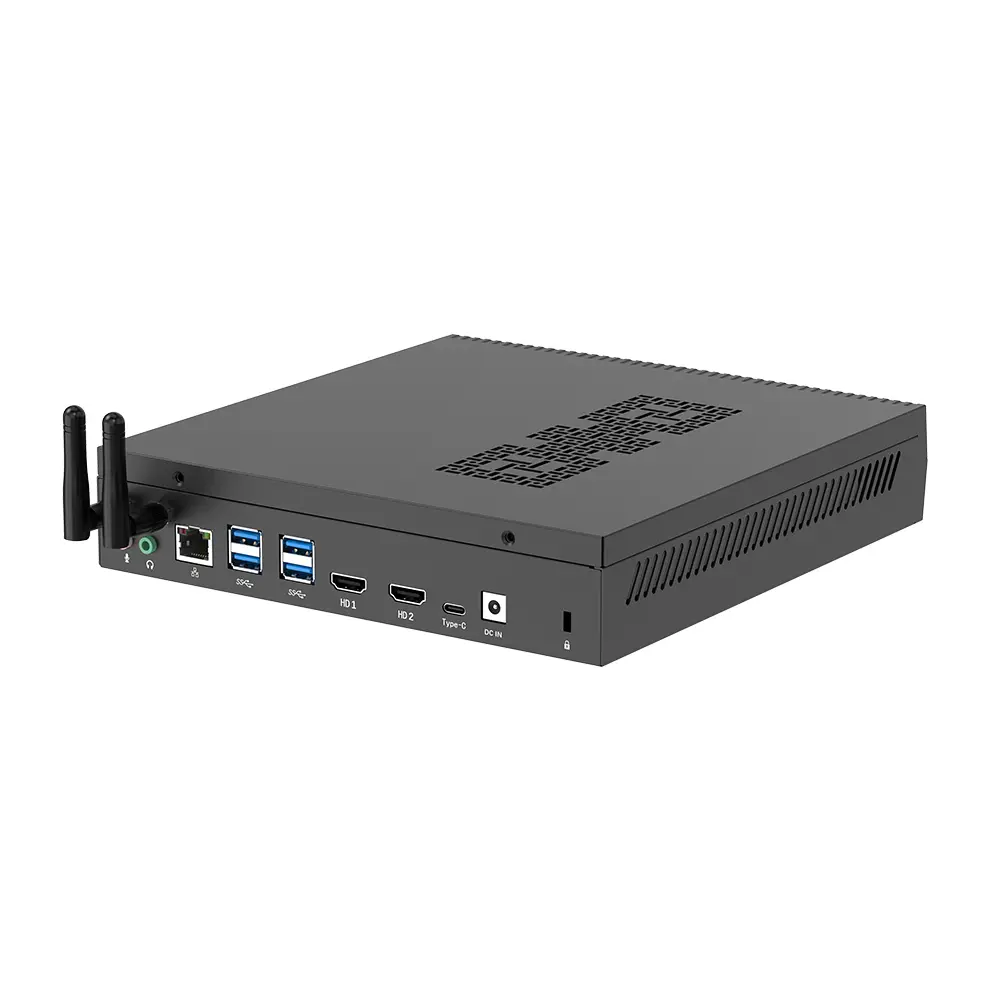 RTX3050TI Game Mini PC
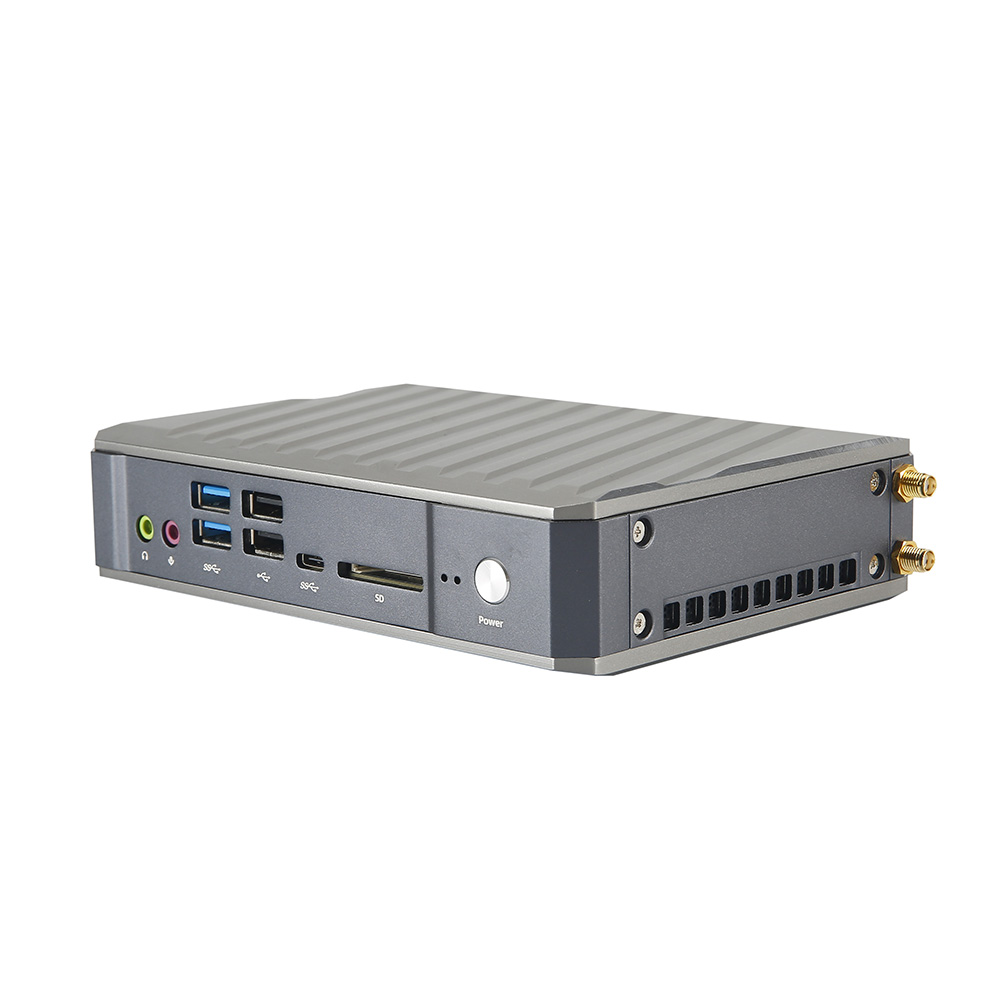 Micro Mini PC
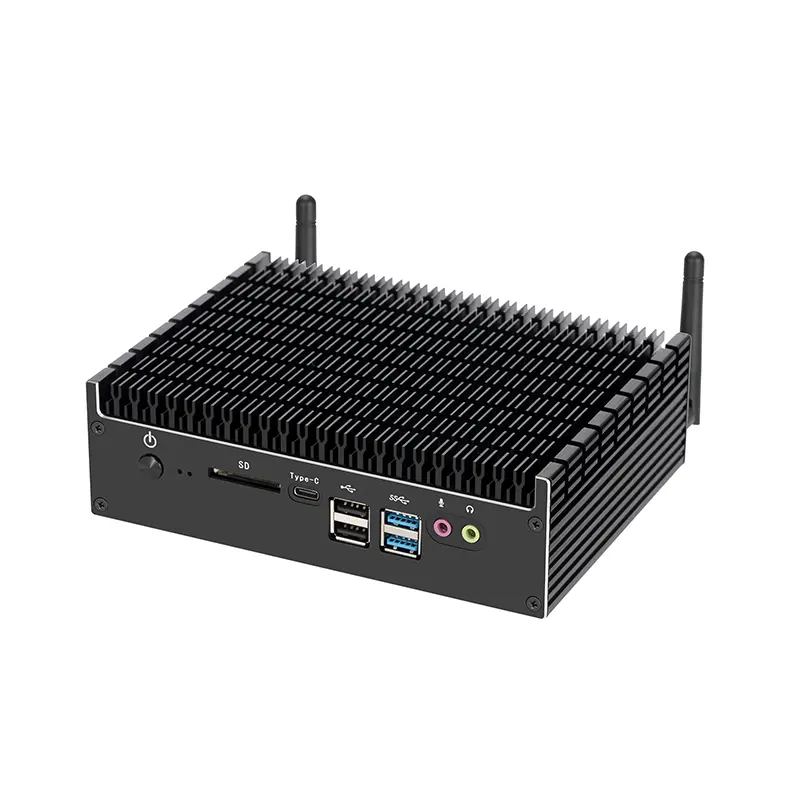 Fanless Mini PC
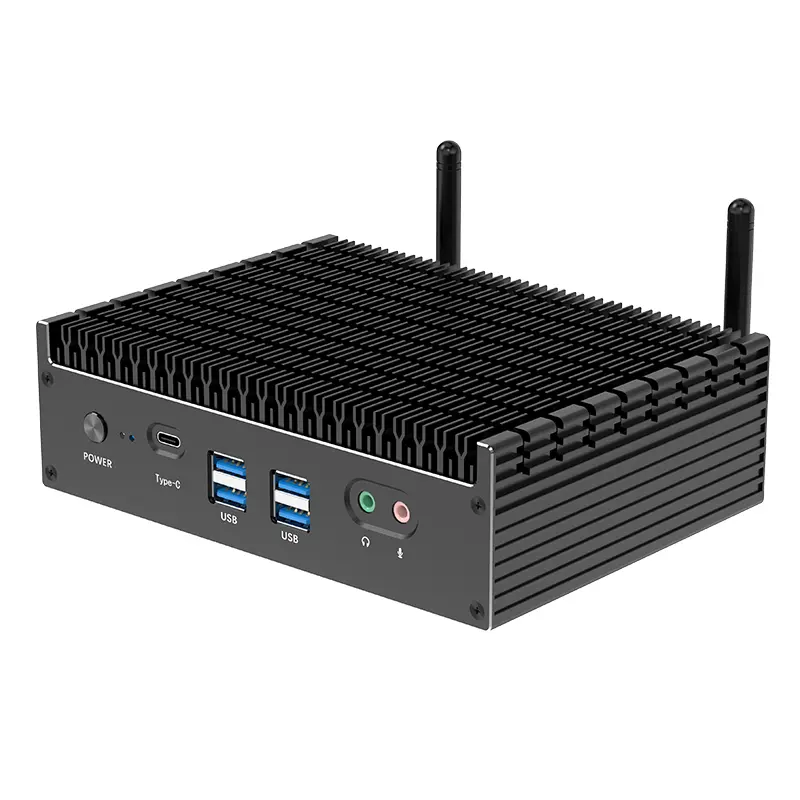 High-end Mini PC
 More
More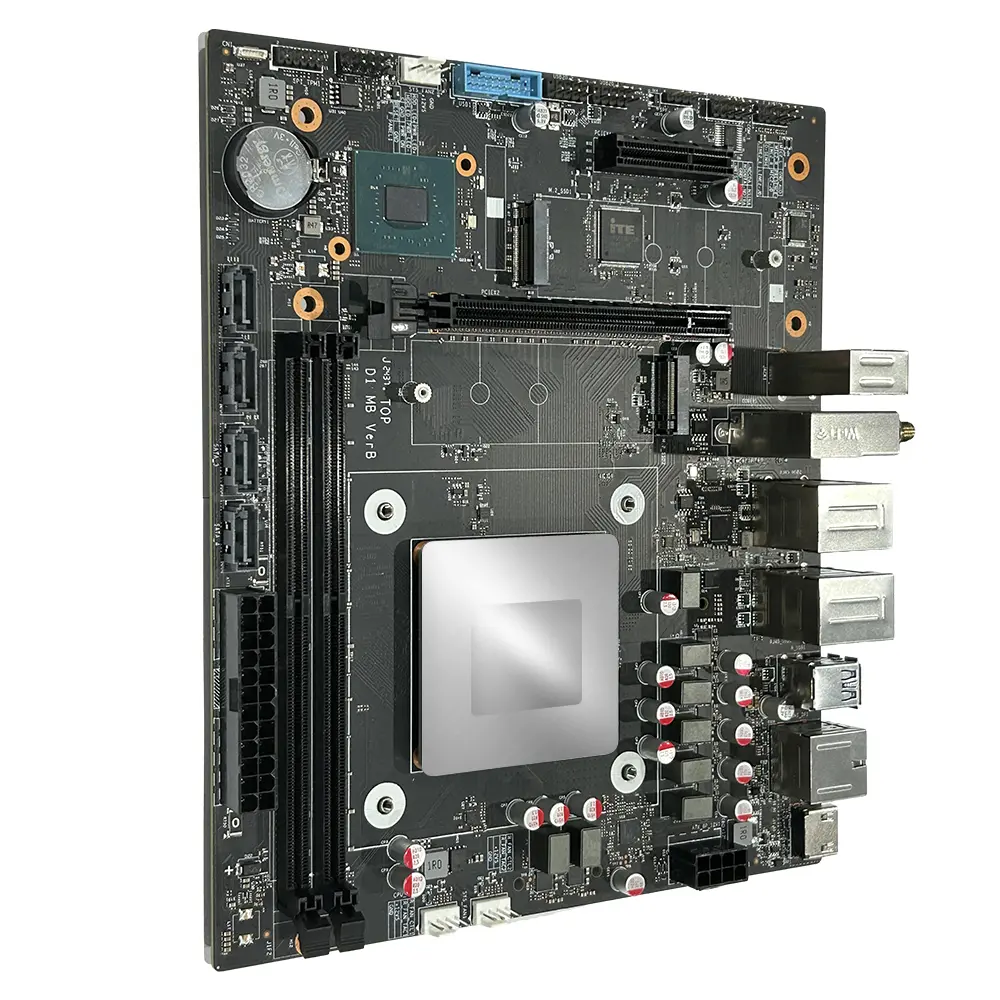 Micro ATX Computer Motherboard