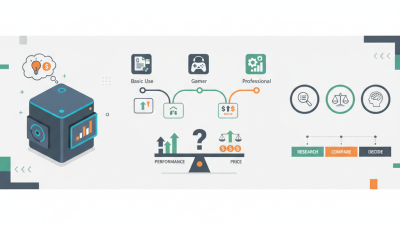
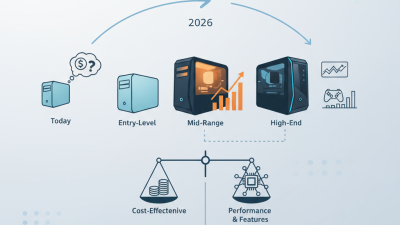
2026 Top Small Desktop PC Options for Global Buyers?
As the demand for compact computing solutions continues to grow, Small Desktop PCs have become a prominent choice for many global buyers. According to recent market research, the small form factor PC segment is projected to reach nearly $16 billion by 2026. This shift reflects the changing needs of consumers who prioritize both space-saving designs and robust performance.
Small Desktop PCs provide an ideal balance of size and power for various applications, including home offices and gaming setups. Users are increasingly seeking systems that cater to their specific performance requirements without compromising on aesthetics or functionality. Reports indicate that 65% of users prefer these compact units due to their versatility and ease of use.
However, not all Small Desktop PCs are created equal. Potential buyers should consider factors such as compatibility, performance specifications, and future upgrade paths. The rapid pace of technological advancements may lead to challenges in finding long-lasting solutions. While manufacturers strive for innovation, the real test lies in delivering reliability alongside cutting-edge features.
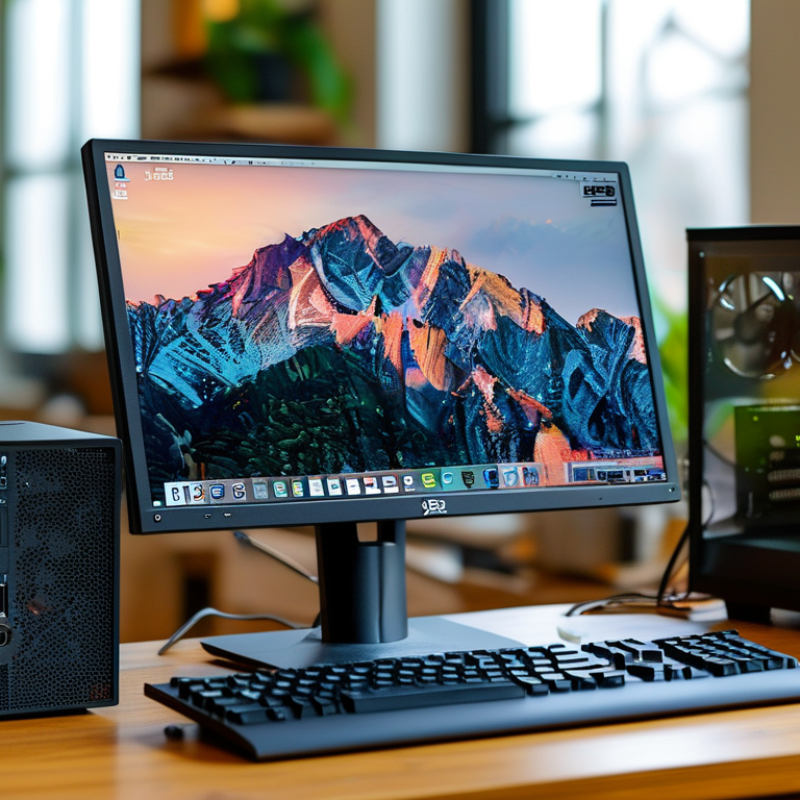
2026 Trends in Small Desktop PC Designs for Home and Office Use
The trend in small desktop PC designs for 2026 is leaning heavily towards minimalism and functionality. Buyers seek machines that fit seamlessly into both home and office settings. They prefer sleek, compact models that occupy less space, blending in with modern decor. Many designs now emphasize open airflow, ensuring that even small units maintain optimal performance. This is vital as heat management becomes a growing concern for powerful components.
Another notable aspect is the increasing use of recyclable materials in manufacturing. Eco-friendly designs resonate with conscious consumers. Some manufacturers are also focusing on user customization. This adaptability allows users to upgrade components without replacing the entire unit, which can be a cost-effective approach in the long run. However, not all options offer this flexibility, reflecting a gap between consumer desires and available products.
Despite the advancements, there are still challenges. Not every small desktop PC delivers the performance users anticipate. Limited space can hinder expansion capabilities, leaving some disappointed. Additionally, the balance between power and portability often leads to compromises. Buyers need to evaluate their specific needs carefully. Understanding the trade-offs is essential to make an informed purchase decision in this evolving market.
Key Specifications to Consider When Choosing a Small Desktop PC
When selecting a small desktop PC, understanding key specifications is crucial. Buyers should focus on processor capabilities. According to industry data, over 60% of users prioritize multi-core processors for better multitasking. A capable CPU enhances performance, especially for demanding applications.
Another important aspect is the storage type. SSDs are now essential for speed and efficiency. Reports show that systems with SSDs can boot up 70% faster than those with traditional hard drives. Consider capacity as well. A minimum of 512GB is advisable for most users to ensure ample space for software and files.
RAM is another critical specification. Experts recommend at least 16GB for seamless multitasking in 2026. This provides enough memory for running multiple applications smoothly. However, users sometimes overspend on high RAM counts they may not need. Evaluating actual usage is key. Furthermore, consider connectivity options. Ensure the device has multiple USB ports for peripheral support. Encountering issues with limited ports can disrupt productivity in daily tasks.
Top Brands Dominating the Small Desktop PC Market in 2026
In 2026, the small desktop PC market continues to expand. Various brands have made significant strides in creating compact, efficient designs. These machines are perfect for limited office space or home use. Manufacturers focus on flexibility and performance. Users desire systems that are portable yet powerful.
Several leading brands have embraced innovation. They offer sleek designs while maintaining processing speed. This balance is essential for both work and leisure tasks. Buyers expect reliable performance without sacrificing aesthetics. The integration of advanced cooling solutions is also notable. This ensures that these compact systems run smoothly under heavy loads.
However, challenges remain. Some designs prioritize size over upgrade options. This can lead to frustration when users want to enhance their systems. Additionally, not all manufacturers provide robust customer support. Consumers must research warranties and service options carefully. They should also consider user reviews for real-world insights.
2026 Top Small Desktop PC Options for Global Buyers
| Model |
Processor |
RAM |
Storage |
Graphics |
Price (USD) |
| Model A |
Intel Core i5 |
16 GB |
512 GB SSD |
Integrated |
$899 |
| Model B |
AMD Ryzen 5 |
32 GB |
1 TB SSD |
NVIDIA GTX 1650 |
$1099 |
| Model C |
Intel Core i7 |
16 GB |
2 TB HDD |
Integrated |
$1299 |
| Model D |
AMD Ryzen 7 |
64 GB |
1 TB SSD + 1 TB HDD |
NVIDIA RTX 3060 |
$1599 |
| Model E |
Intel Core i9 |
32 GB |
2 TB SSD |
NVIDIA RTX 3070 |
$1999 |
Comparative Analysis of Performance Among Leading Small Desktop PCs
In recent years, small desktop PCs have gained traction among global buyers.
Their compact design makes them ideal for limited spaces, yet they offer powerful performance.
Assessing the performance of various models reveals noteworthy differences. Some excel in graphics tasks, while others are better suited for everyday computing needs.
When comparing these small PCs, factors like processing power, RAM, and cooling solutions play crucial roles.
Many models struggle with overheating. This can lead to throttled performance, especially during intensive tasks.
Buyers should consider whether they need a system for light use or heavy multitasking.
User reviews often highlight the balance between size and functionality.
Some models are quite portable, yet they may lack robust upgrade options.
Others may come with adequate performance but fail to impress on aesthetics.
Gathering insights from real users provides a clearer picture of what to expect.
Budget Considerations: Pricing Ranges for Small Desktop PCs in 2026
As we look into 2026, the market for small desktop PCs is expanding rapidly. Buyers must weigh their budget carefully. For basic models, prices hover around $300. This range suits casual users. They seek reliable performance for tasks like web browsing and document editing.
Mid-tier options usually cost between $600 and $900. Users investing in this range expect stronger performance. These desktops often handle multitasking effectively. Choosing an option here can feel overwhelming. Some models shine with performance, while others may fail. Researching user reviews and expert opinions is crucial.
High-end small desktops go beyond $1,200. These systems often include robust processors and graphics capabilities. Ideal for gamers and creatives, they promise an immersive experience. However, the steep price can evoke concerns. Many debate if the cost truly aligns with the benefits. Ensuring value for each dollar spent remains vital in this decision-making process. Challenging frequently assumed benefits can lead to more informed purchases.

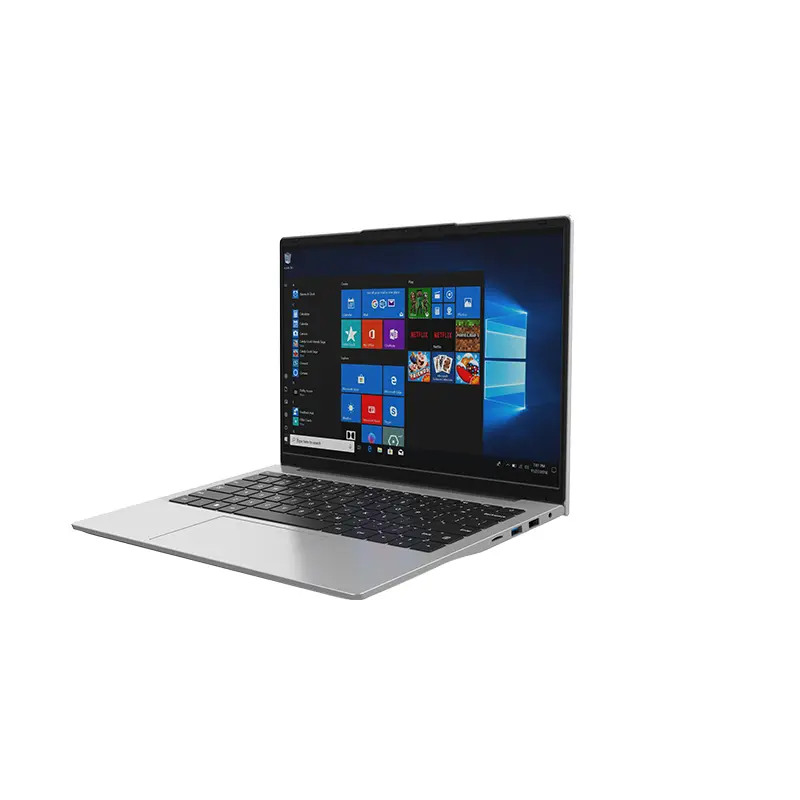 14 Inch Office Notebook
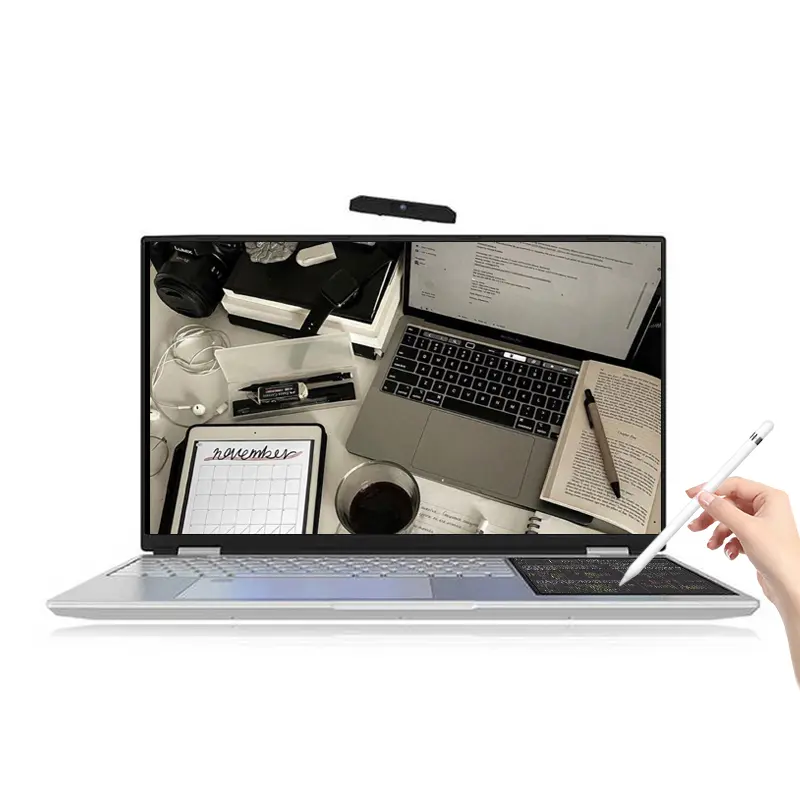 Dual Screen Laptop
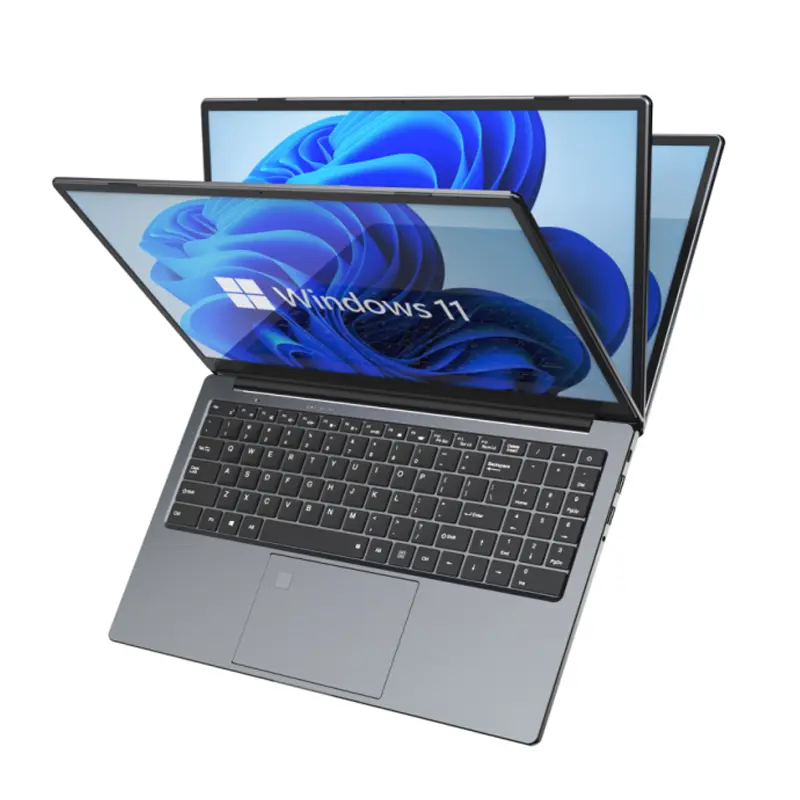 Fingerprint Business Notebook
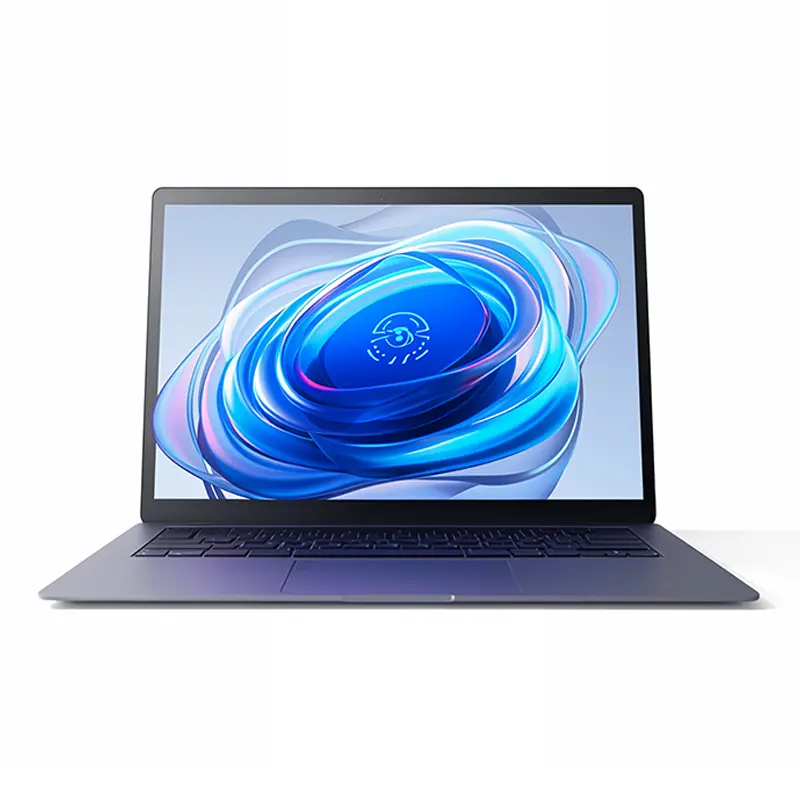 Big Screen Laptop
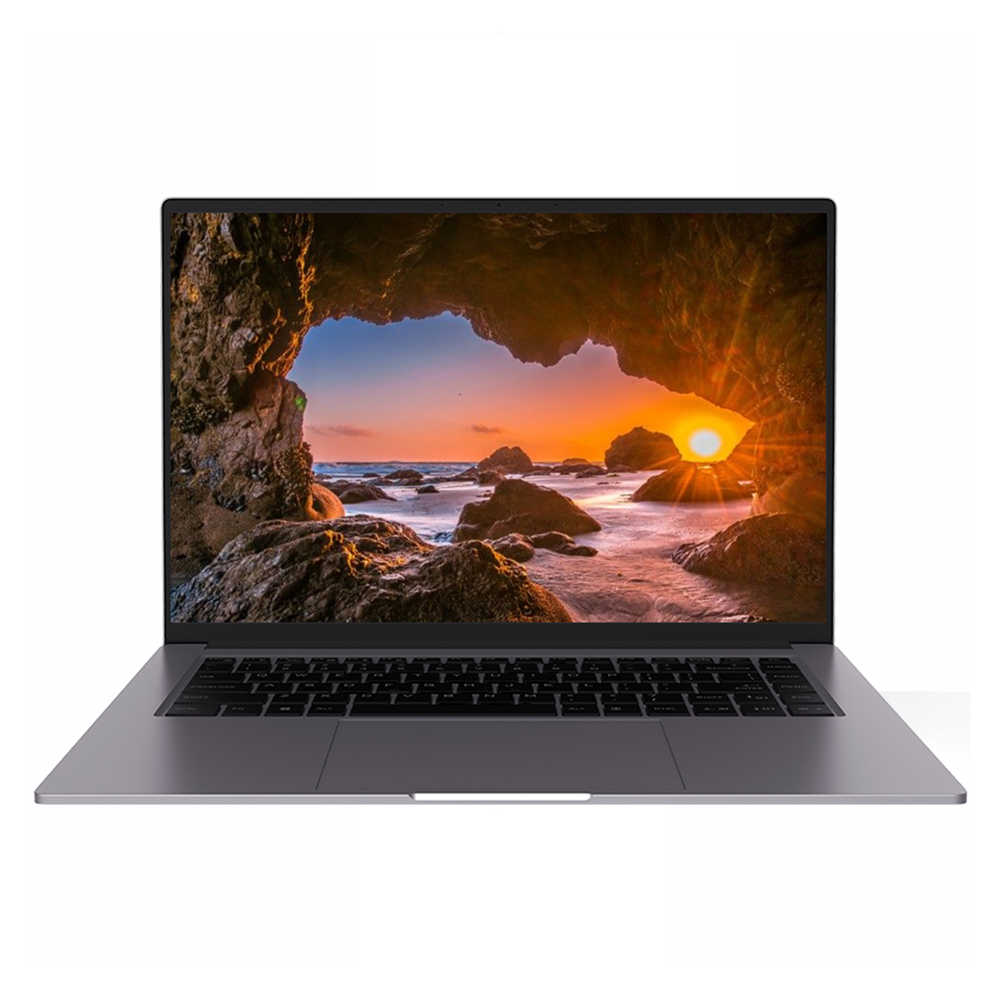 HD Gaming Laptop
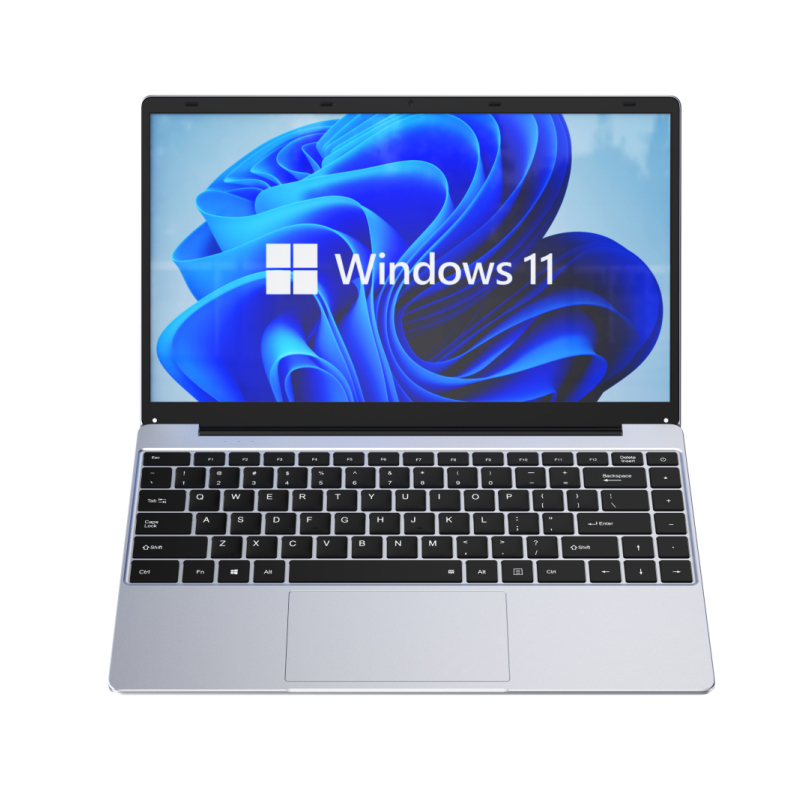 14.1 Inch Student laptops
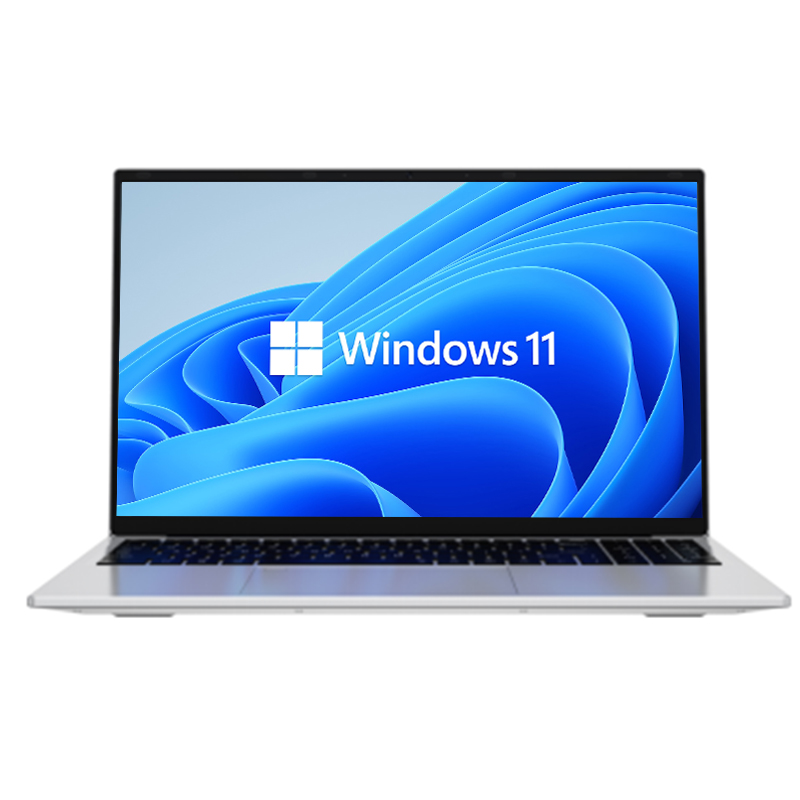 16.1 Inch Office Laptops
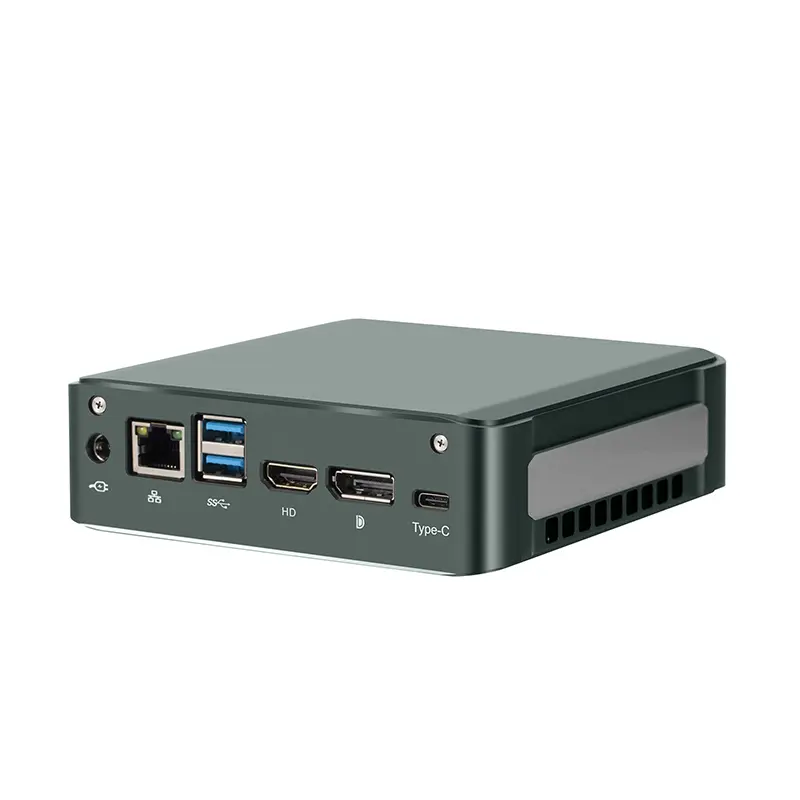 Home Mini Host
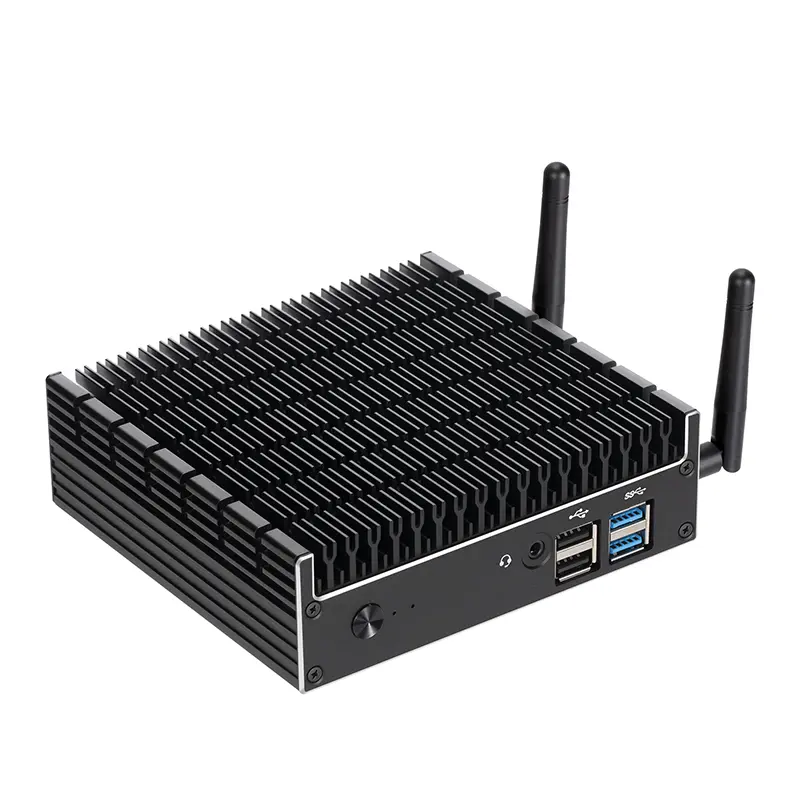 Industrial Micro PC
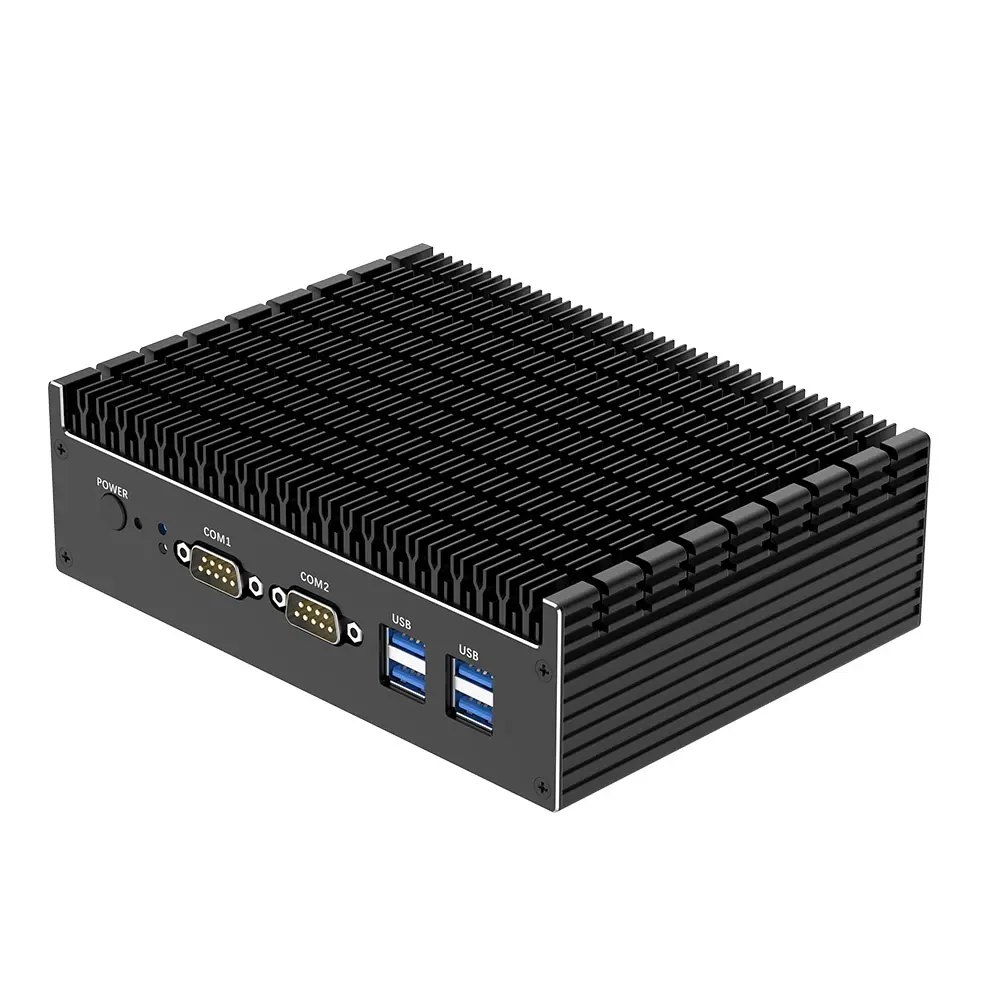 Fanless Industrial Mini PC
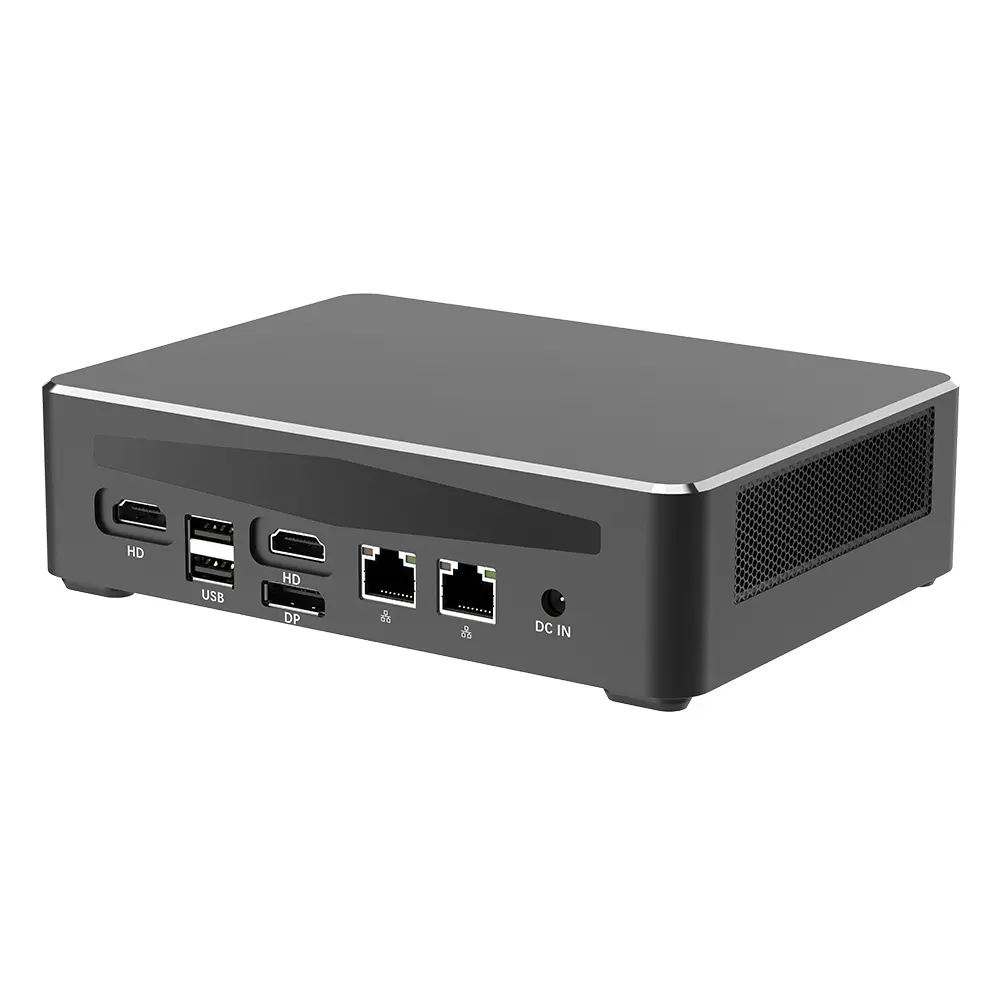 Commercial Mini PC
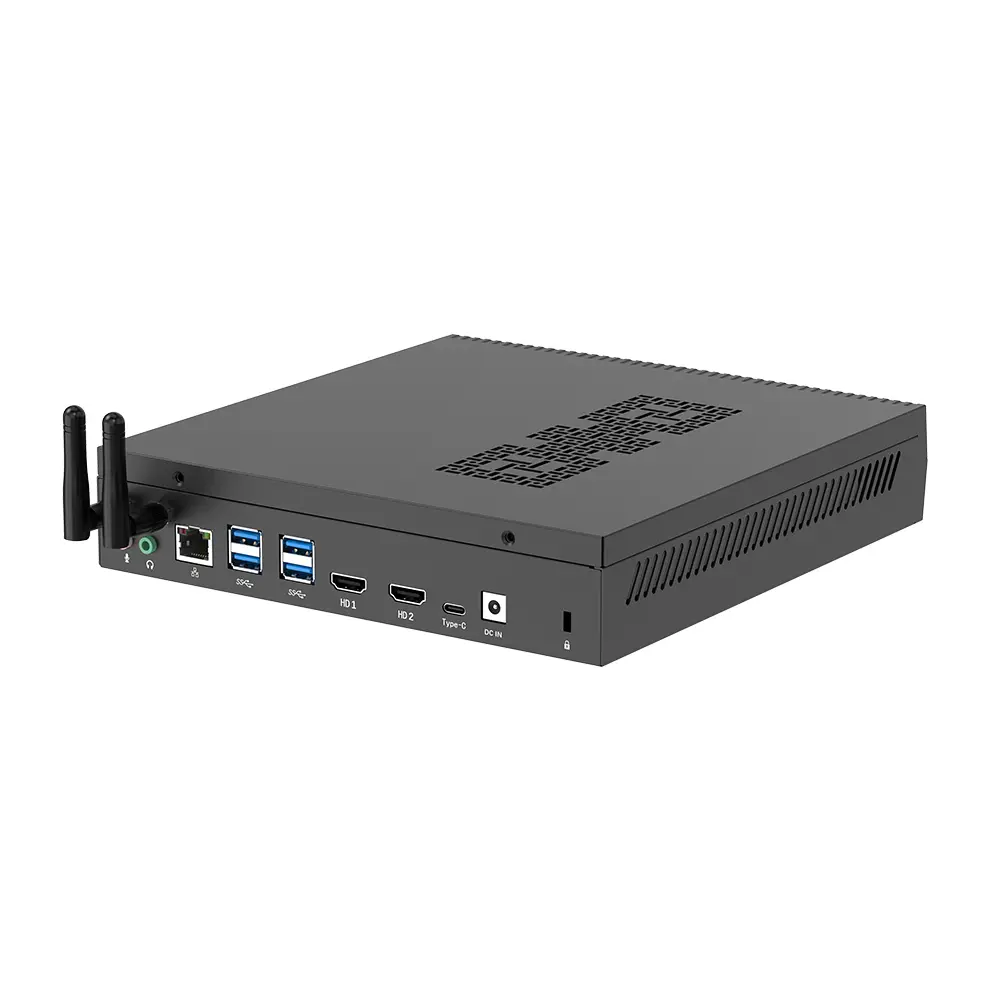 RTX3050TI Game Mini PC
 Micro Mini PC
 Fanless Mini PC
 High-end Mini PC
 More
More Micro ATX Computer Motherboard