Top Tiny PC Tips to Explore at the 139th Canton Fair?
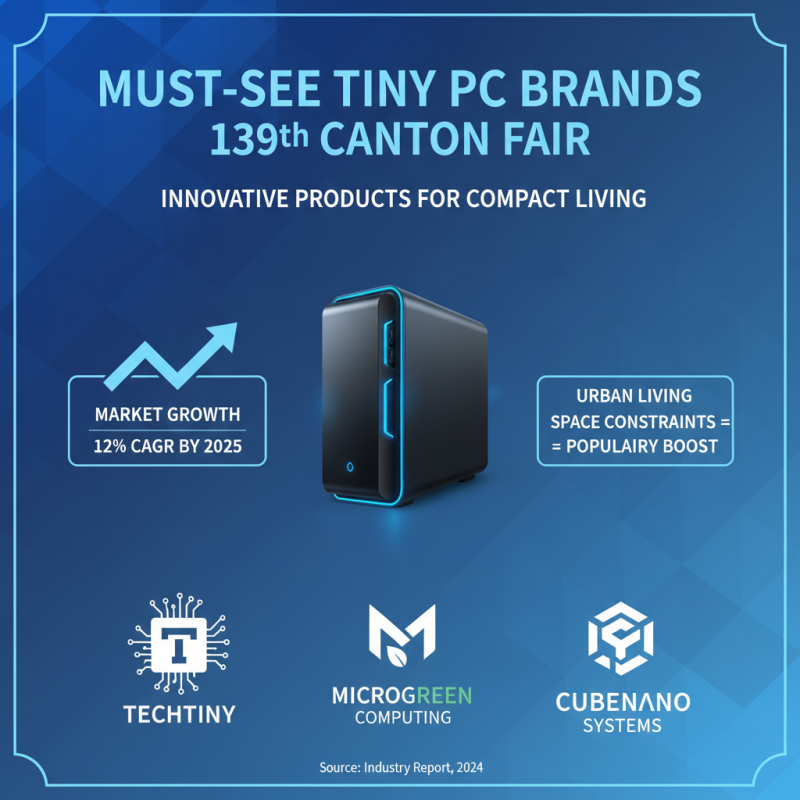
The 139th Canton Fair presents an exciting opportunity to explore the dynamic world of Tiny PCs. With the integration of AI intelligent search, procurement is more efficient than ever. According to recent industry reports, the global market for compact PCs is expected to grow by 14% annually, reflecting the increasing demand for portability and performance.
Tiny PCs serve various applications, from gaming to business solutions. They offer a powerful alternative to traditional desktops. Small footprint design is appealing for both consumers and enterprises. However, selection can be challenging. Not all models meet industry standards or user needs.
Understanding technology is crucial. Attendees must identify features that cater to specific applications. For instance, processing power and connectivity options matter significantly. A thorough evaluation of each product’s specifications will ensure informed decisions. Embracing both innovation and practical use can lead to successful investments in this thriving market.
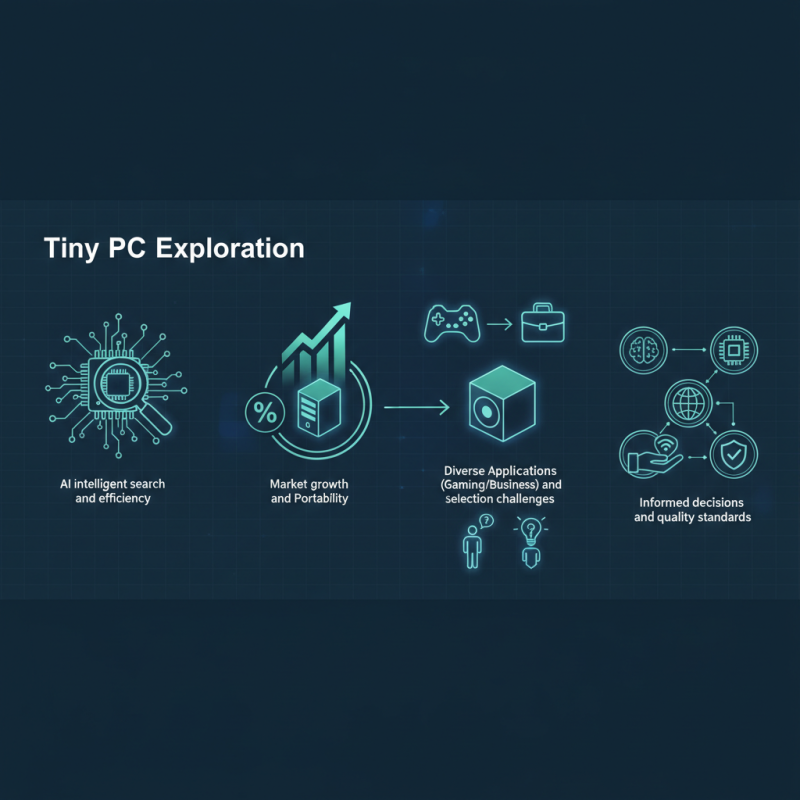
Exploring the Latest Tiny PC Innovations at the 139th Canton Fair
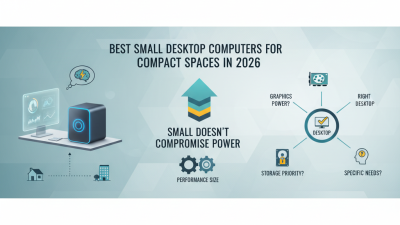
The 139th Canton Fair showcases innovative tiny PCs, attracting tech enthusiasts worldwide. These devices are compact yet powerful, with trends indicating a growing market. Reports suggest the global mini PC market will reach $11.3 billion by 2026, driven by demand for space-saving computing.
At the fair, expect to see advancements in processing power and energy efficiency. Many models now utilize advanced cooling solutions, allowing for better performance in small forms. Exhibitors are focusing on versatility. Tiny PCs are now used for gaming, home theaters, and even AI applications. This evolution reflects users' need for adaptability.
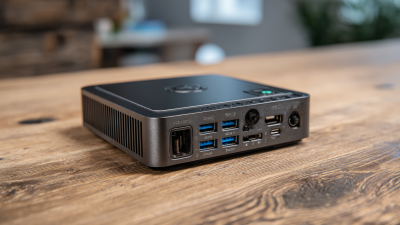
Tip: When exploring tiny PCs, consider your specific needs. Look for options with expandability for future upgrades. Also, review thermals to prevent overheating during intensive tasks. Keep an eye on connectivity features, including USB-C and HDMI ports, as these are essential for modern setups.
The fair is a perfect platform to connect with manufacturers and understand the real-world implications of these innovations. Gather insights on build quality and durability. Sometimes, tiny PCs can fall short in reliability. Ensuring longevity should be a priority.
Key Features to Look for in Tiny PCs During the Canton Fair
When exploring tiny PCs at the 139th Canton Fair, it's essential to focus on key features.
Size and portability matter. Many models are lightweight and compact.
They can easily fit in a bag. This is perfect for those on the go.
Next, consider performance. Look for processors that can handle multiple tasks. Fast speed is crucial, especially for
gamers or professionals. Memory capacity is another factor.
A minimum of 8GB RAM is usually recommended. This helps in smooth operations.
Lastly, connectivity options are vital. Check for USB-C ports
and HDMI outputs. These allow easy connections to various devices. Battery life should also be a priority.
Some tiny PCs struggle with longevity. It’s worth investigating this aspect before making a decision.
Not all models are created equal, so be diligent in your research.
Tips for Networking and Finding Suppliers at the Canton Fair
Navigating the Canton Fair can feel overwhelming. However, effective networking is crucial for finding the right suppliers. Many attendees focus solely on products, neglecting the importance of building relationships. Research indicates that 70% of successful businesses value personal connections in the supply chain. Engaging with potential partners enhances trust, which is vital for long-term success.
When exploring the Fair, arrive prepared with a clear understanding of your needs. Create a list of target suppliers based on thorough research. Utilize platforms like industry reports to gain insights on trending products. A recent study revealed that 65% of exhibitors report higher engagement when visitors demonstrate prior knowledge.
At the Fair, you can expect to face distractions. It's easy to get sidetracked by booths and flashy presentations. Set specific goals for each day. Invest time in meaningful conversations rather than fleeting interactions. It’s a balance of showcasing your interests while being open to surprises. Keep in mind that not every interaction will lead to a partnership. Reflection on these experiences is key to honing your approach for next time.
Top Tiny PC Tips to Explore at the 139th Canton Fair - Tips for Networking and Finding Suppliers at the Canton Fair
| Tip Number |
Tip Description |
Best Practices |
Follow-Up Strategies |
| 1 |
Prepare Your Business Card |
Have a professional card that includes your contact information and website. |
Email a thank you note after the fair. |
| 2 |
Research Potential Suppliers |
Identify key suppliers in advance, and make a list of booths to visit. |
Follow up with a call or visit their website. |
| 3 |
Set Clear Objectives |
Define what you want to achieve at the fair – sourcing products, networking, etc. |
Review outcomes and adjust future goals accordingly. |
| 4 |
Engage in Conversations |
Ask open-ended questions to encourage dialogue with suppliers. |
Connect on LinkedIn or other professional networking platforms. |
| 5 |
Take Notes |
Document important details from discussions and contacts. |
Create a follow-up schedule based on the notes. |
How to Evaluate Tiny PC Performance During Your Visit
Evaluating tiny PC performance at the 139th Canton Fair requires a keen eye for specific metrics. Begin by focusing on processing power. Look for the latest benchmarks from industry reports. For instance, ResearchAndMarkets projects an annual growth rate of around 15% in the tiny PC segment. This indicator showcases demand and performance improvements.
Next, assess memory and storage capabilities. The ideal configuration should support at least 16GB of RAM. This is a crucial amount for multitasking. SSDs are preferable, offering faster read/write speeds. Data from Statista indicates that 60% of users prioritize these features in their purchasing decisions. Keep an eye out for potential over-heating issues during demos. Not all units perform well under stress, and this can skew initial impressions.
Moreover, pay close attention to connectivity options. Modern tiny PCs must support multiple USB ports and Wi-Fi 6 capabilities. Reports note that around 70% of consumers seek diverse connectivity for versatility. It's essential to remember that not every product will meet expectations. Some may lack robust thermal management systems, impacting long-term reliability. These insights can greatly influence your final selection.

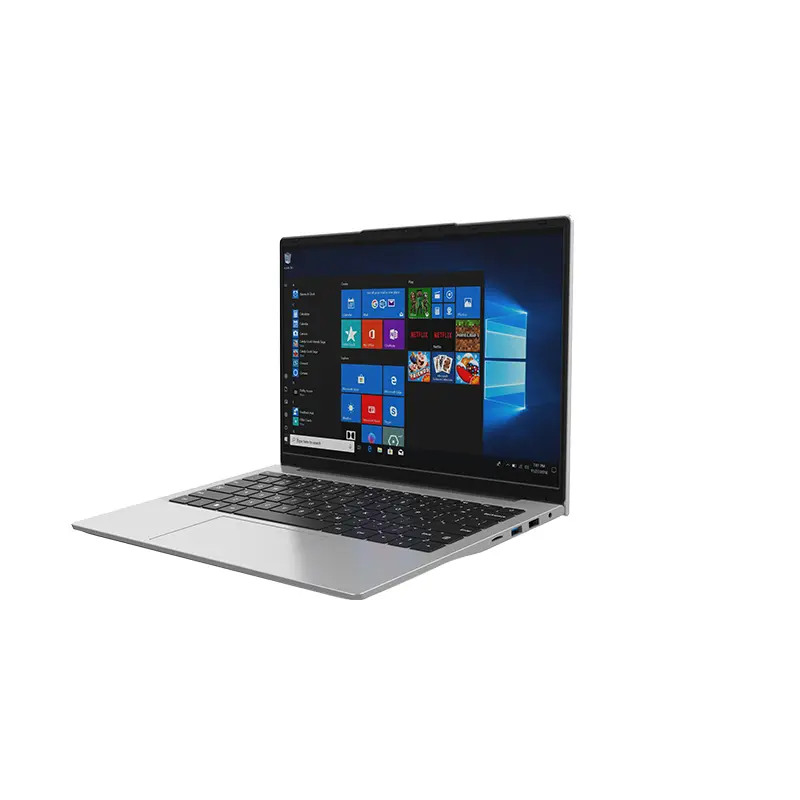 14 Inch Office Notebook
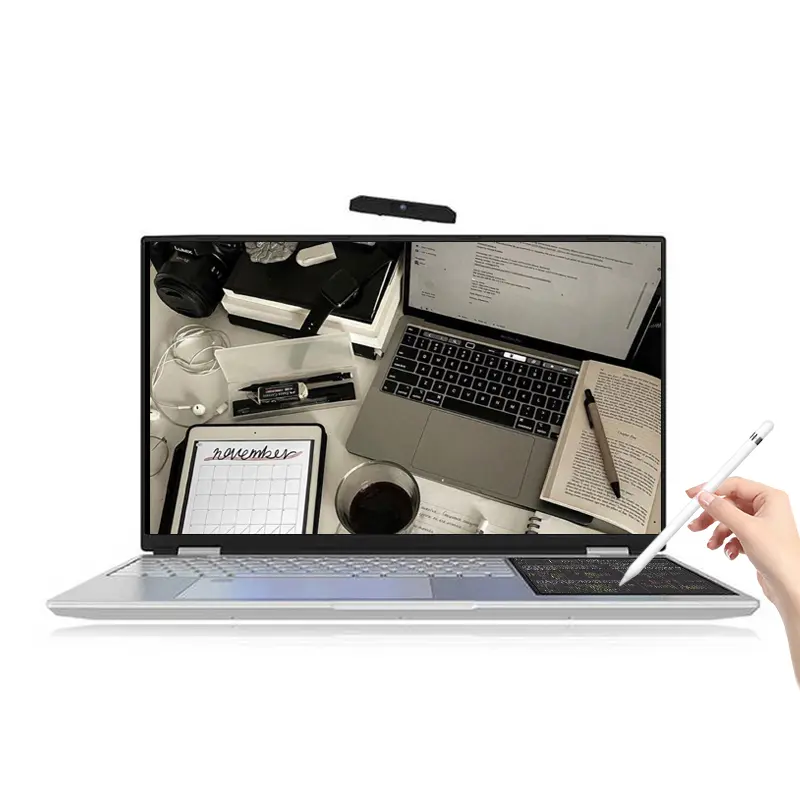 Dual Screen Laptop
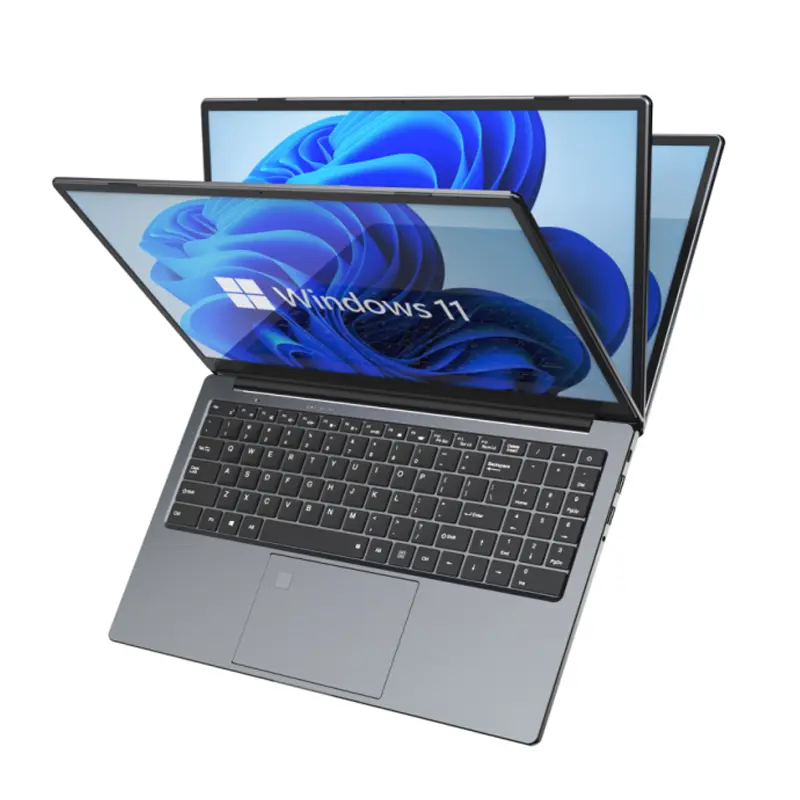 Fingerprint Business Notebook
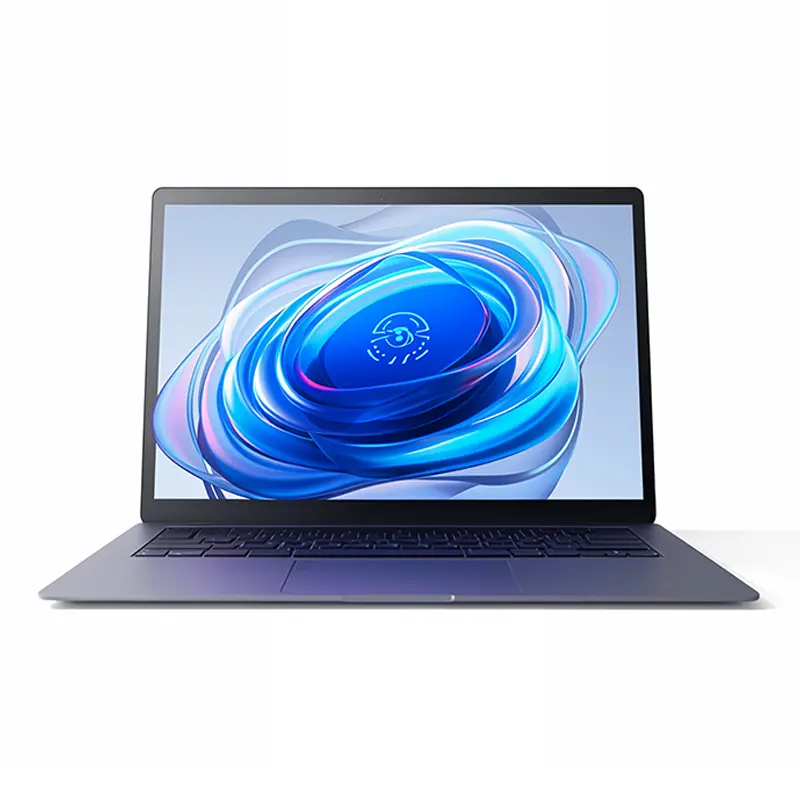 Big Screen Laptop
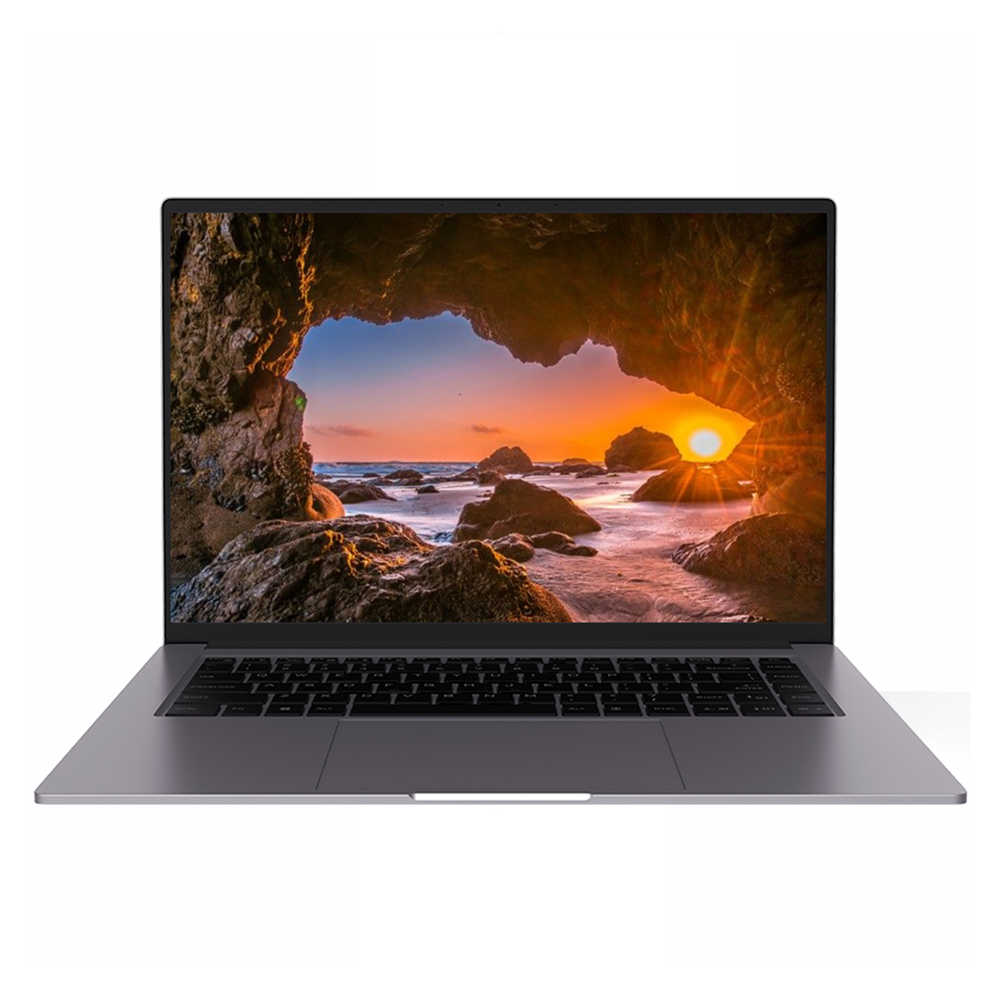 HD Gaming Laptop
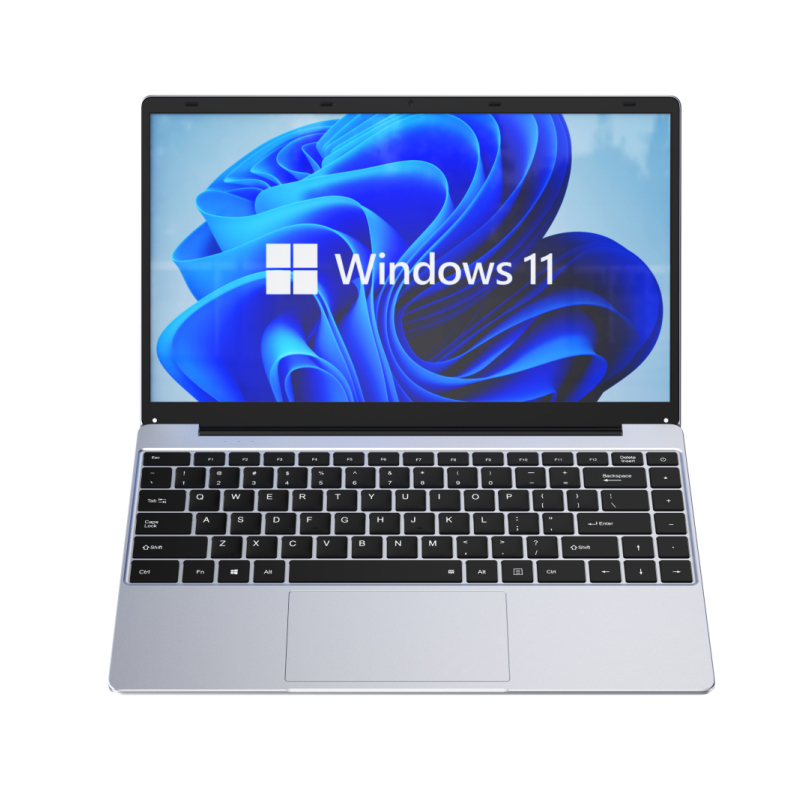 14.1 Inch Student laptops
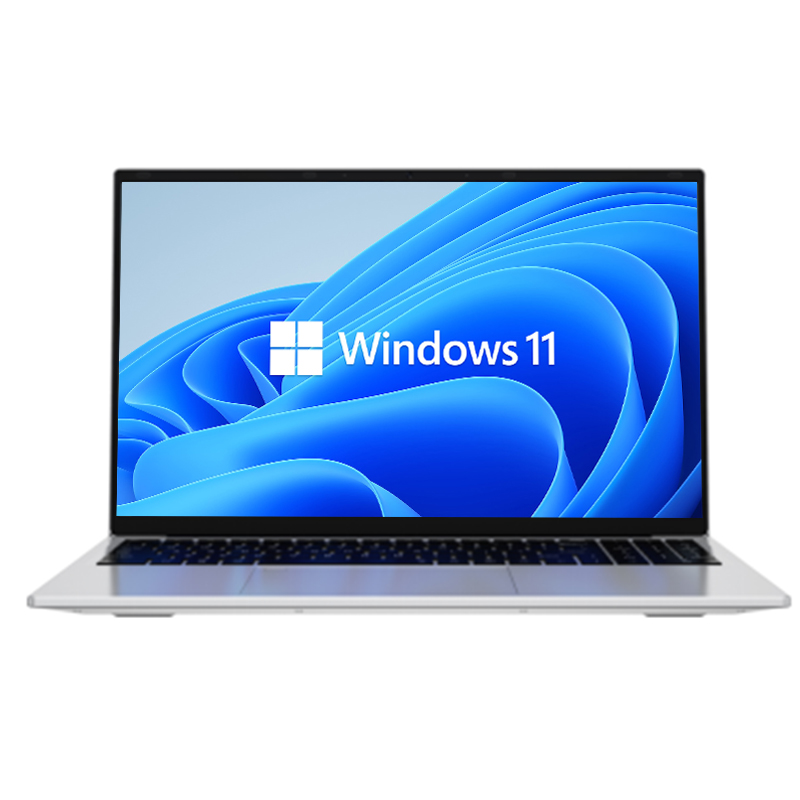 16.1 Inch Office Laptops
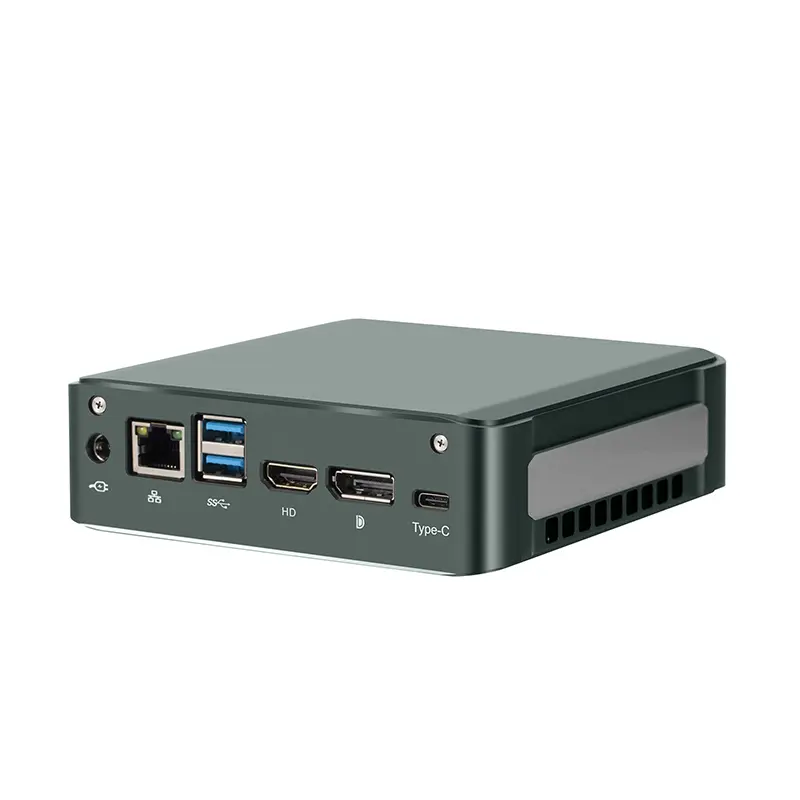 Home Mini Host
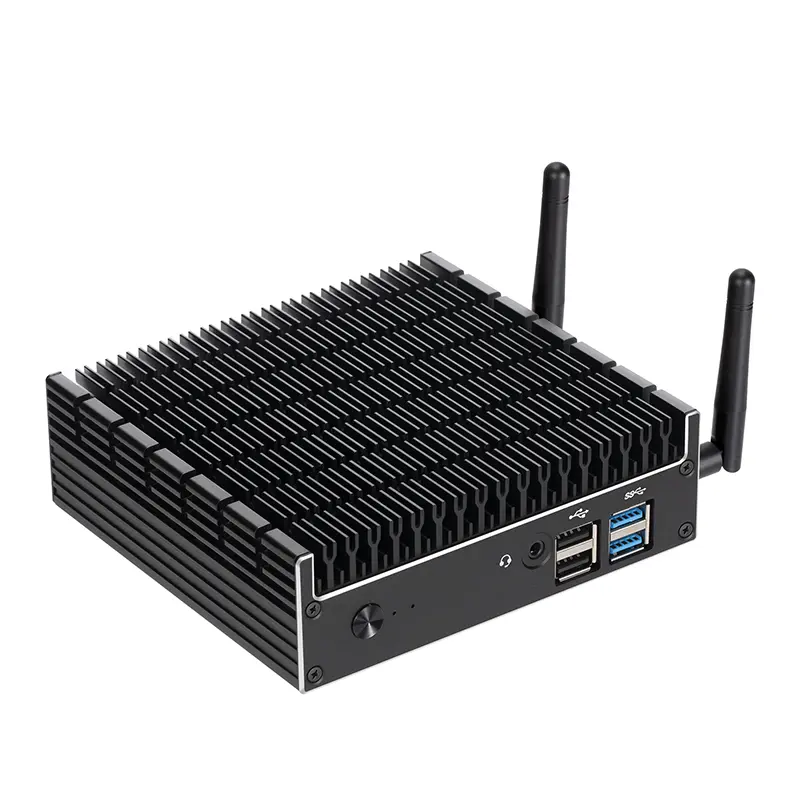 Industrial Micro PC
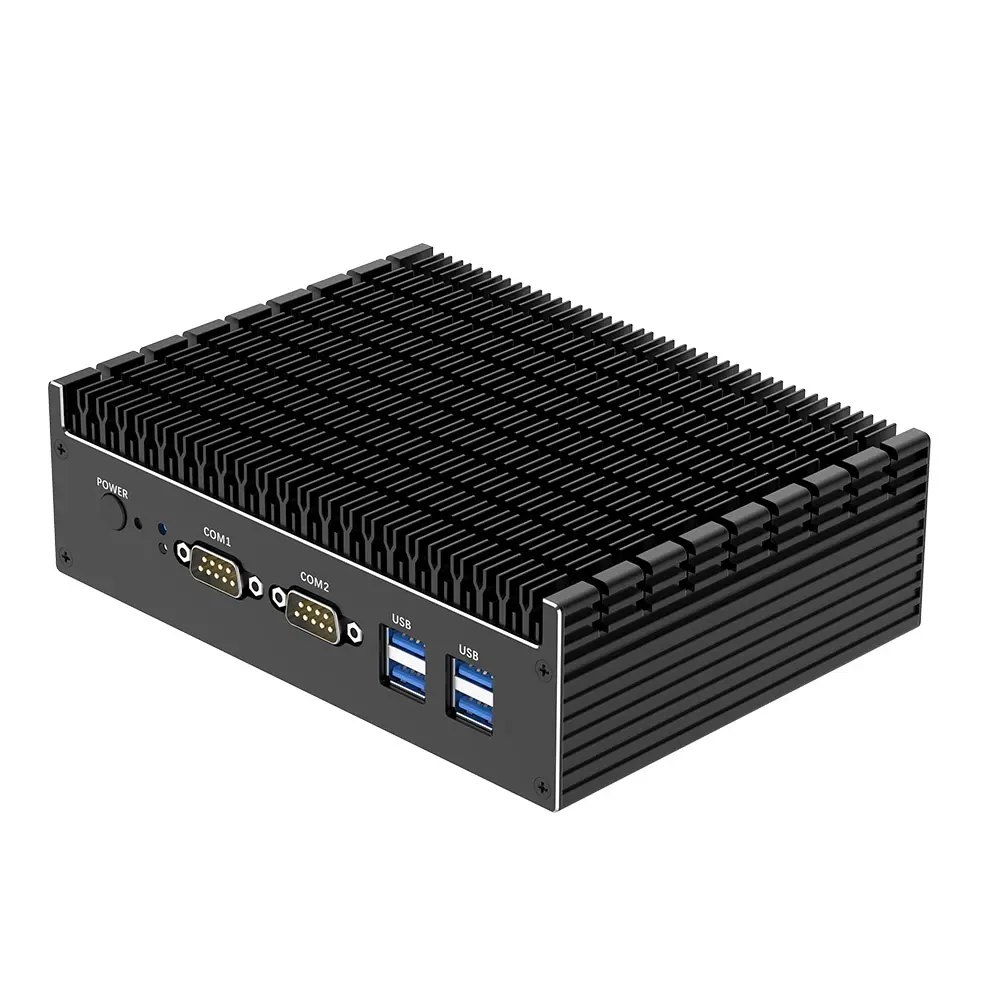 Fanless Industrial Mini PC
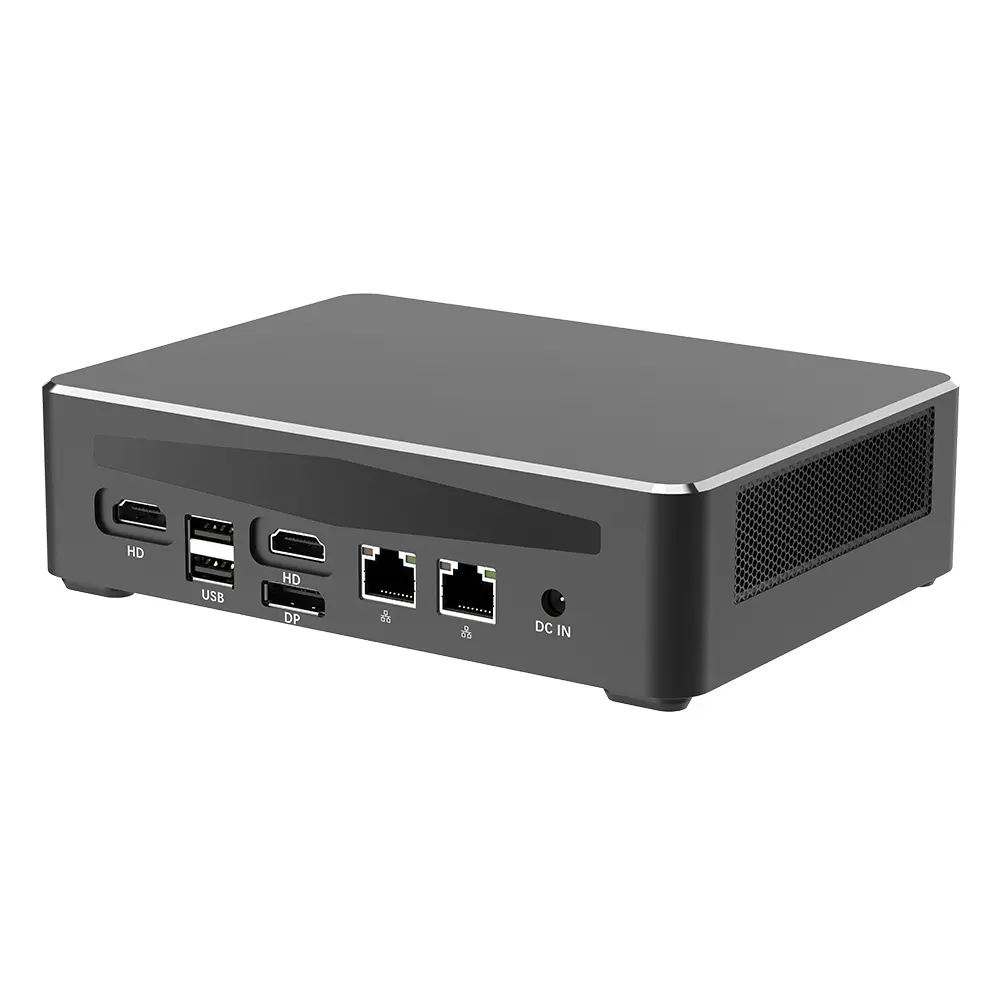 Commercial Mini PC
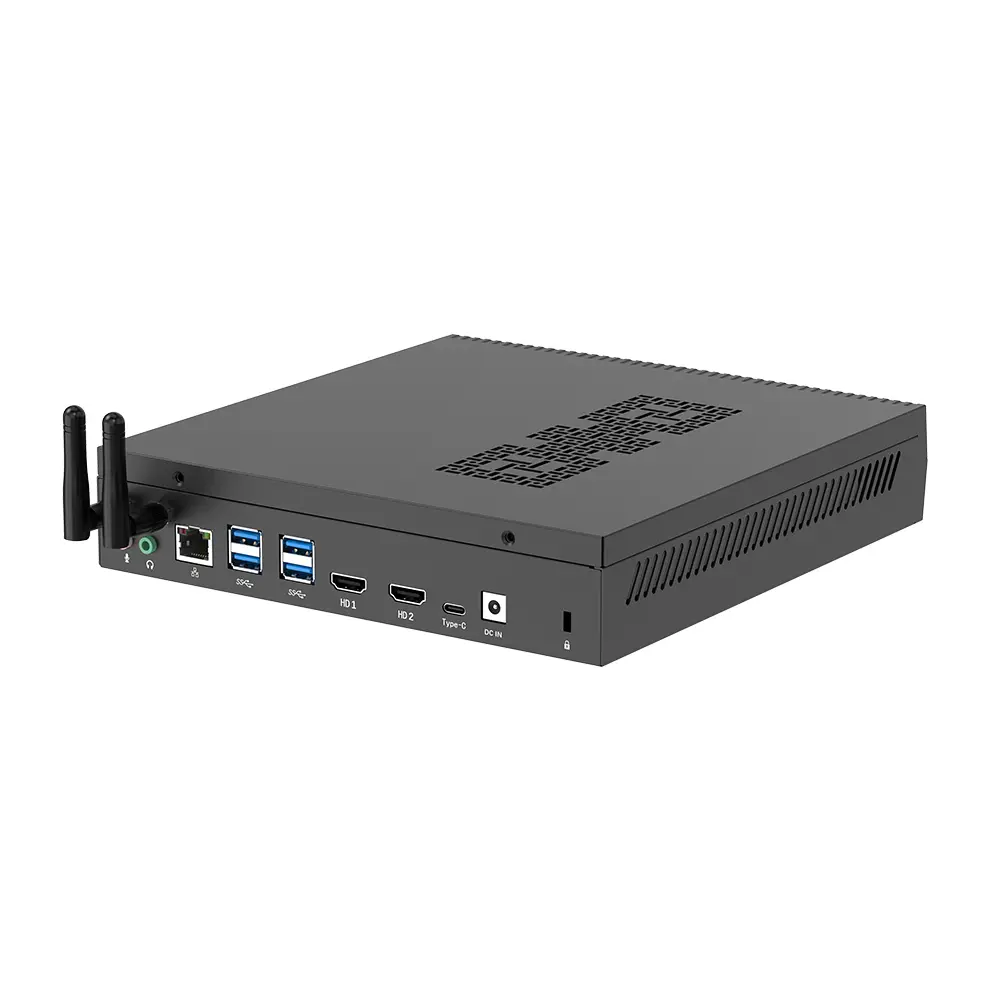 RTX3050TI Game Mini PC
 Micro Mini PC
 Fanless Mini PC
 High-end Mini PC
 More
More Micro ATX Computer Motherboard