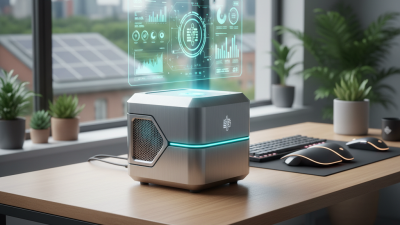
Why Choose a Tiny PC for Your Business Needs?
In the evolving landscape of modern business, efficiency and adaptability are paramount. The demand for powerful yet compact computing solutions has surged. A Tiny PC emerges as a viable option, combining performance with space-saving design. According to a report by Gartner, nearly 30% of businesses are prioritizing IT agility in their operations, showcasing the need for flexible hardware.
Tiny PCs offer a multitude of advantages, particularly in terms of resource optimization. Research indicates that businesses can save up to 40% on energy costs when switching from traditional desktop setups to more energy-efficient Tiny PCs. This transition presents not only a fiscal benefit but also aligns with sustainable practices. Customization options further enhance their appeal, allowing companies to tailor capabilities to specific tasks without over-investing in excess hardware.
However, it’s essential to consider potential limitations. Depending on the workload, Tiny PCs might struggle with high-demand applications. Therefore, assessing business needs is crucial before making a switch. Despite these challenges, the benefits of adopting Tiny PCs can outweigh the drawbacks, enhancing operational efficiency and supporting long-term growth.
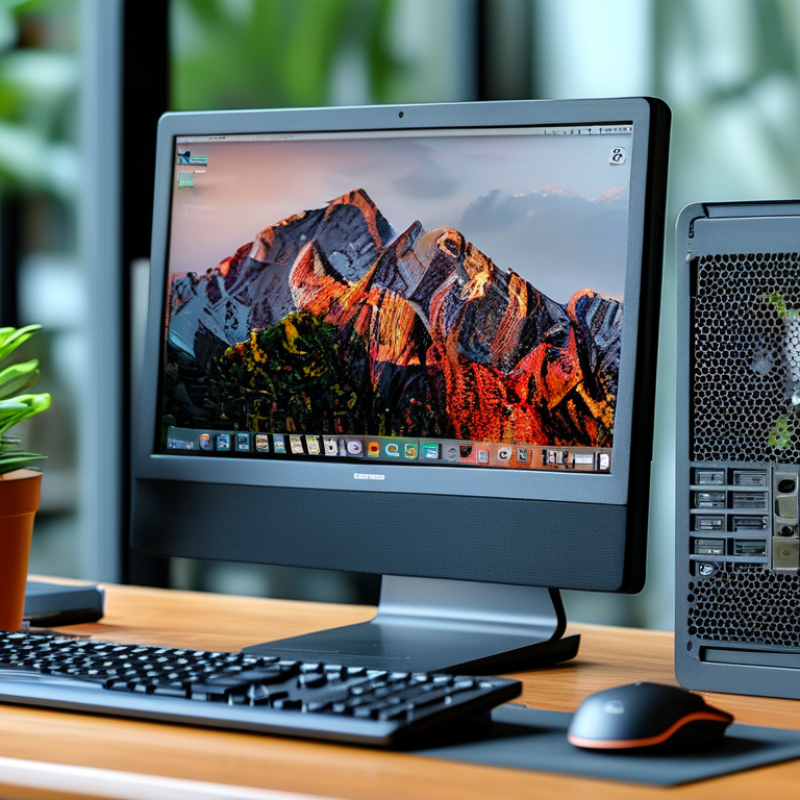
Benefits of Using a Tiny PC for Business Operations
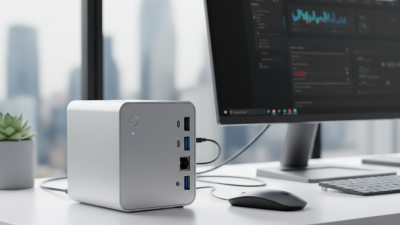
In today's fast-paced business environment, tiny PCs are gaining traction for their unique benefits. According to industry insights, over 68% of businesses seek to optimize their workspace. Tiny PCs take up less space, making them ideal for small offices or shared environments. Their compact design allows for greater flexibility in arranging office layouts.
Moreover, tiny PCs often come equipped with powerful hardware capable of supporting essential business applications. Research indicates that companies using energy-efficient devices can cut energy costs by up to 30%. These machines consume significantly less power, contributing to eco-friendly practices. While some may worry about performance, many tiny PCs can handle daily tasks with ease.
However, the transition to tiny PCs does come with challenges. Not all tiny PCs support high-end graphics for demanding software. Businesses need to evaluate their requirements carefully. There can also be concerns regarding upgradeability and connectivity, given the smaller form factor. It’s important for organizations to weigh these challenges against the benefits, ensuring their choice aligns with long-term goals.
Enhanced Portability and Space Efficiency of Tiny PCs
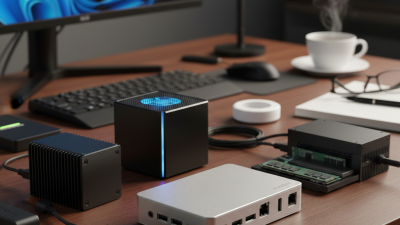
Tiny PCs have become a popular choice for businesses looking for enhanced portability and space efficiency. These compact devices hardly take up any desk space. They can easily fit into a bag or drawer, making them ideal for mobile professionals. Many workers appreciate the ability to work from various locations without being burdened by heavy equipment.
When incorporating tiny PCs, consider your workflow. Assess how many devices you need and what tasks they will perform. Limiting the number of external peripherals can simplify your setup. A minimalistic workspace can improve focus and reduce distractions.
Remote work is common today. Tiny PCs facilitate easy transitions between home and office. The lightweight design allows for quick setup wherever you go. However, they might lack processing power for heavy tasks. It's essential to evaluate your specific requirements before making a purchase. Evaluate what applications you run regularly and how this will impact performance.
Think about cooling needs too. Tiny PCs can overheat if used for extensive periods. Ensure proper ventilation where they are placed. Using stands designed for airflow can help maintain optimal performance.
Cost-Effectiveness of Tiny PCs for Small and Medium Enterprises
Tiny PCs offer an economical solution for small and medium enterprises. The initial investment is lower than traditional desktop computers. Their compact size doesn't compromise performance for everyday tasks. Moreover, they consume less electricity, which reduces long-term operational costs. Monthly energy bills can significantly drop, creating invaluable savings.
The maintenance expenses are also reduced with tiny PCs. Fewer components mean less wear and tear over time. This is crucial for businesses that operate on tight budgets. Even though tiny PCs are generally reliable, they may present challenges in terms of upgradeability. As technology evolves, some businesses might find it limiting. However, for many, the trade-off is justified when balancing cost against functionality.
Tiny PCs can enhance workspace efficiency. Their small footprint allows for a streamlined office setup. Teams can organize workstations more effectively, creating a pleasant atmosphere. Yet, this compactness requires careful planning. Each team member’s needs must be considered to avoid overcrowding or inadequate resources.
Performance Comparison: Tiny PCs vs. Traditional Desktop Computers
When considering performance, tiny PCs and traditional desktops appear similar at a glance. However, tiny PCs excel in several key areas. They are compact and lightweight, allowing for easy integration into any workspace. This flexibility makes them ideal for small offices or remote setups. Despite their size, many tiny PCs have powerful processors. They deliver impressive performance for everyday tasks, such as data processing and multitasking.
In contrast, traditional desktop computers often come with higher power consumption and larger footprints. This might lead to additional costs for businesses. Yet, some users might feel that their processing power is unbeatable. It’s worth noting that tiny PCs can struggle with more intensive tasks like high-end gaming or graphic design. This can be limiting for specific industries that rely on complex applications.
Security is another critical factor. Tiny PCs often have modern security features, yet their smaller size can make them more susceptible to physical damage. Traditional desktops, while more robust, can pose challenges in terms of mobility. Each option offers distinct advantages and drawbacks. Choosing the right one ultimately depends on your unique business requirements. Understanding these nuances is essential for making an informed decision.
Performance Comparison: Tiny PCs vs. Traditional Desktop Computers
Customization and Scalability Options for Tiny PCs in Business
When considering technology for business, tiny PCs offer impressive customization and scalability. According to a report from IDC, businesses are increasingly adopting compact computing solutions, with a growth rate of 15% in the past year. This shift highlights how adaptable tiny PCs can be for various organizational needs.
Customization is key. These small devices allow businesses to choose specifications that fit their specific applications. Whether it's processing power, storage, or ports, options abound. A study from Gartner shows that 70% of IT decision-makers prefer solutions that can be tailored to their unique deployment environments. With tiny PCs, companies can configure devices for tasks such as digital signage or data processing, ensuring optimal performance.
Scalability is another advantage. As businesses grow, their tech needs evolve. Tiny PCs can be easily scaled up or down based on demand. A recent study by Forrester revealed that organizations utilizing scalable tech solutions reported a 25% increase in efficiency. This adaptability can be critical for startups and established businesses alike, allowing for quick responses to market changes without substantial investments.

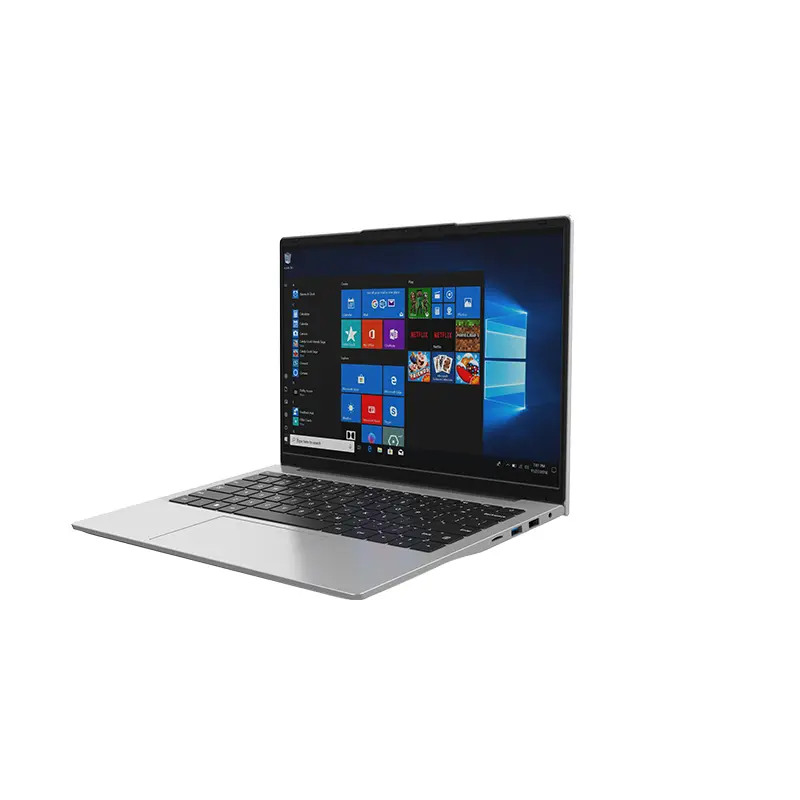 14 Inch Office Notebook
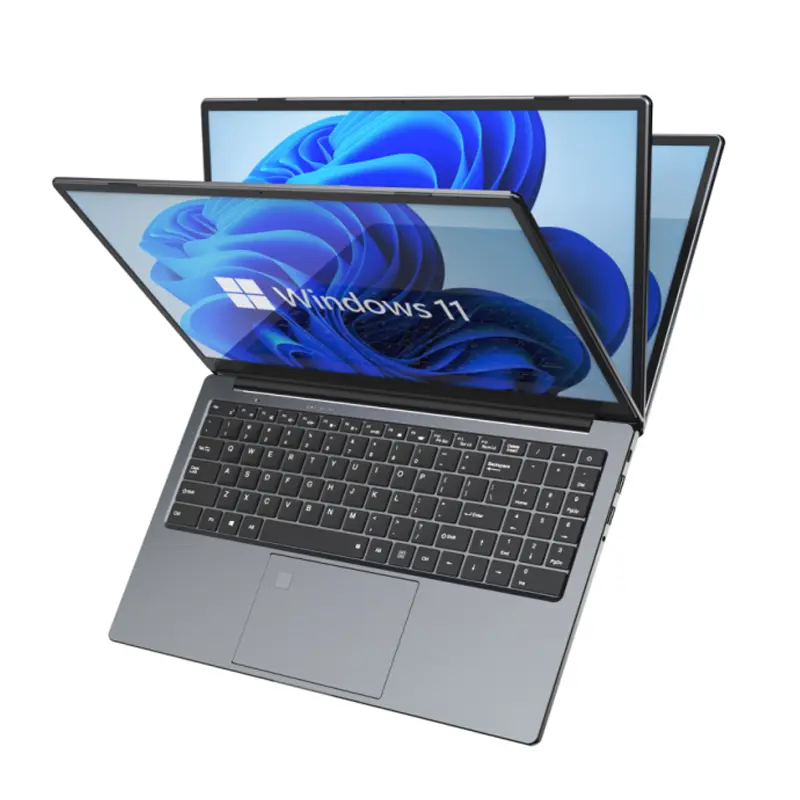
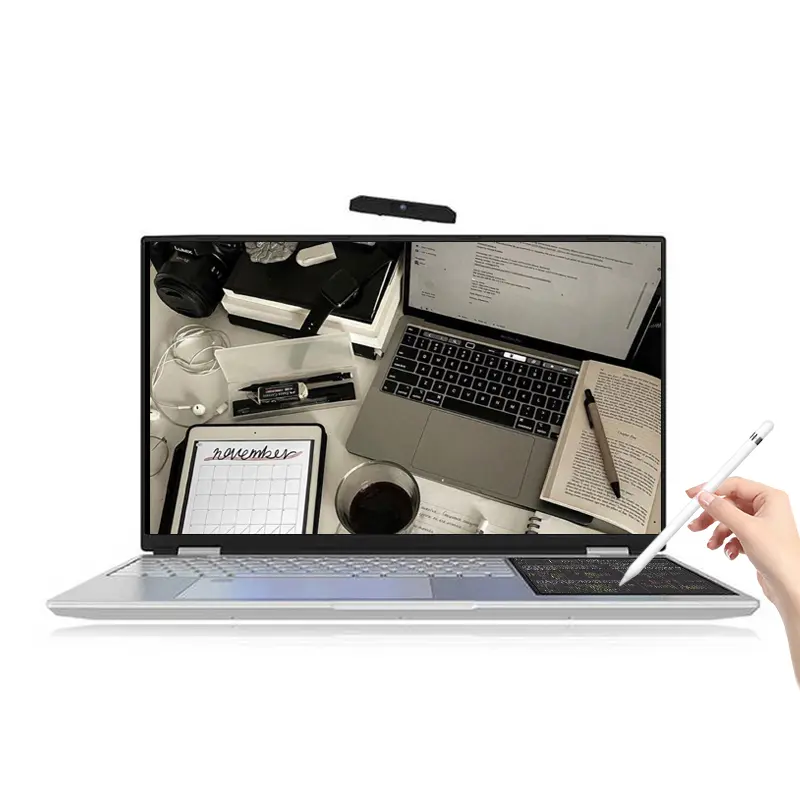 Dual Screen Laptop
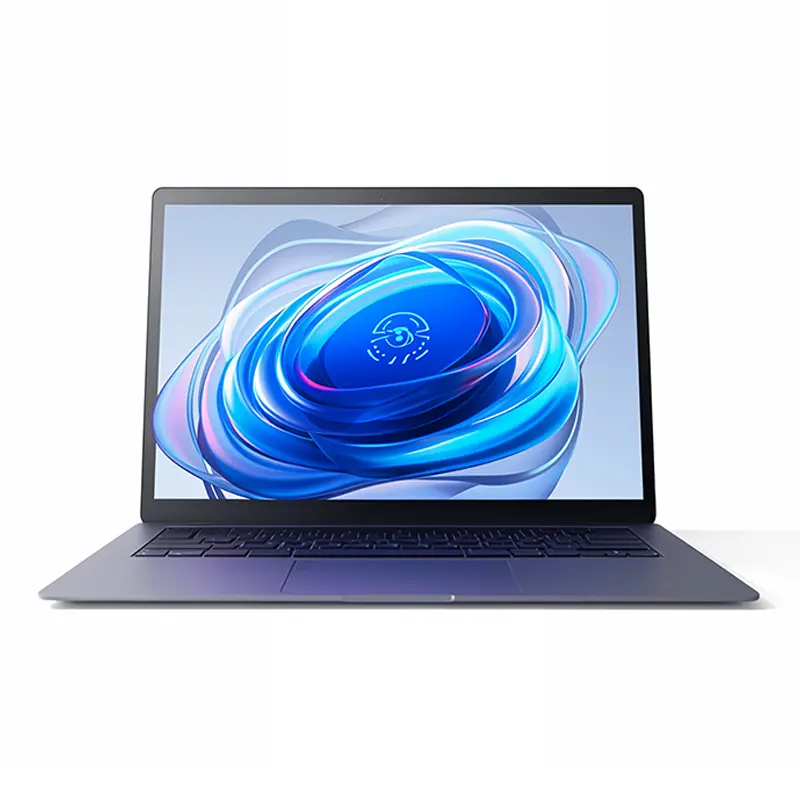
 Fingerprint Business Notebook
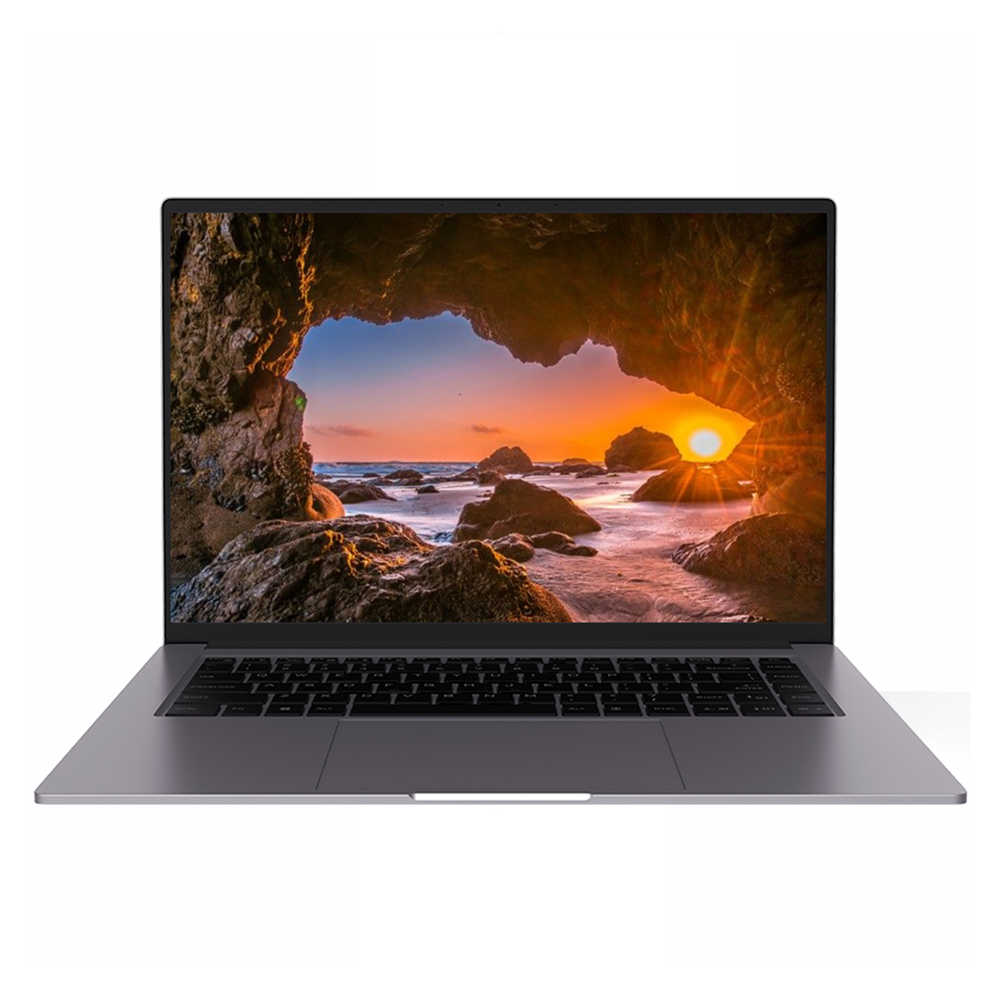
 Big Screen Laptop
 HD Gaming Laptop
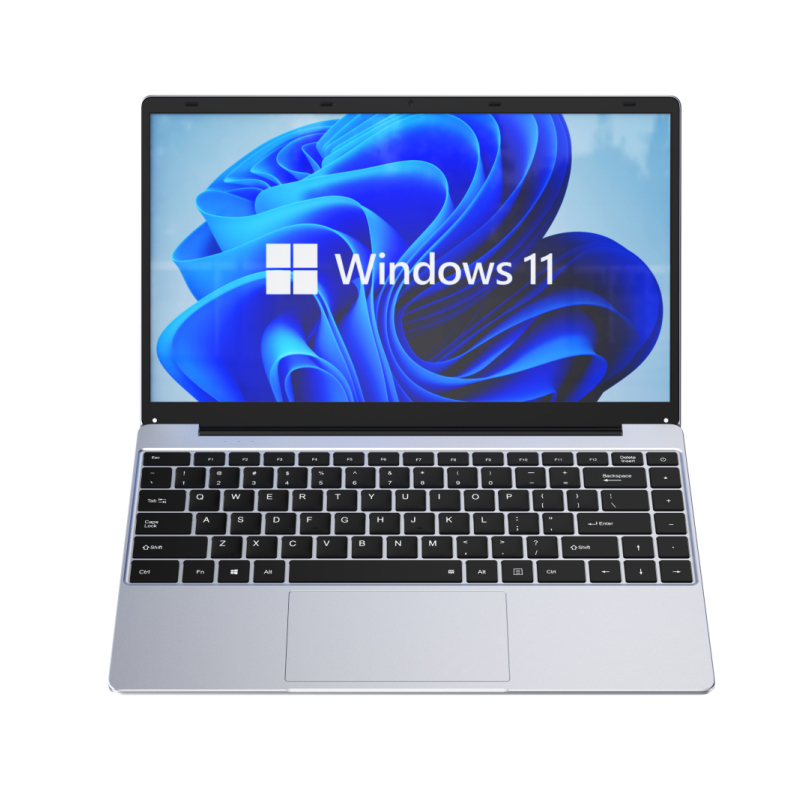 14.1 Inch Student laptops
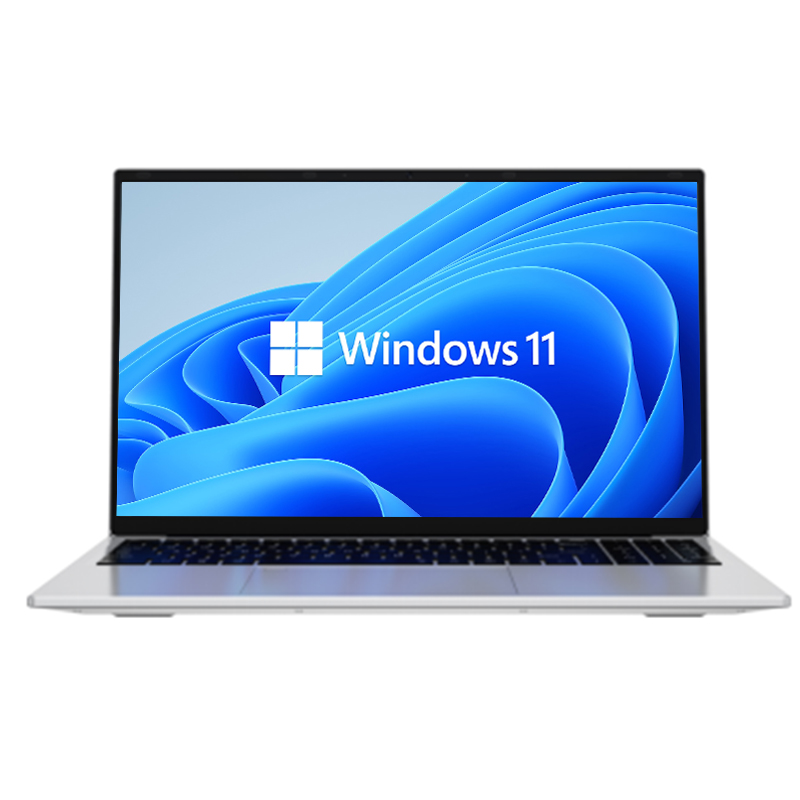 16.1 Inch Office Laptops
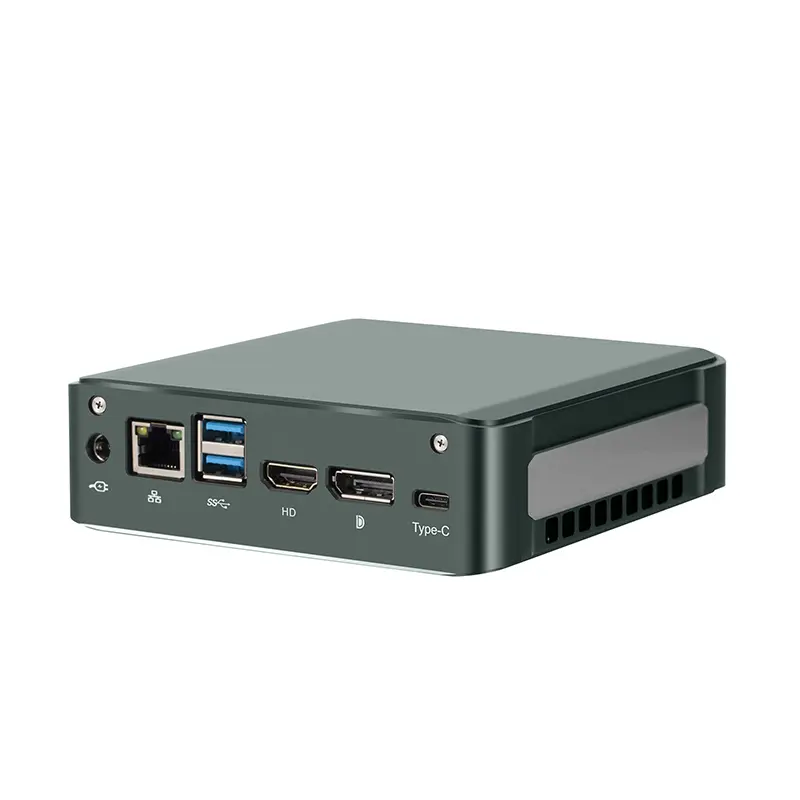 Home Mini Host
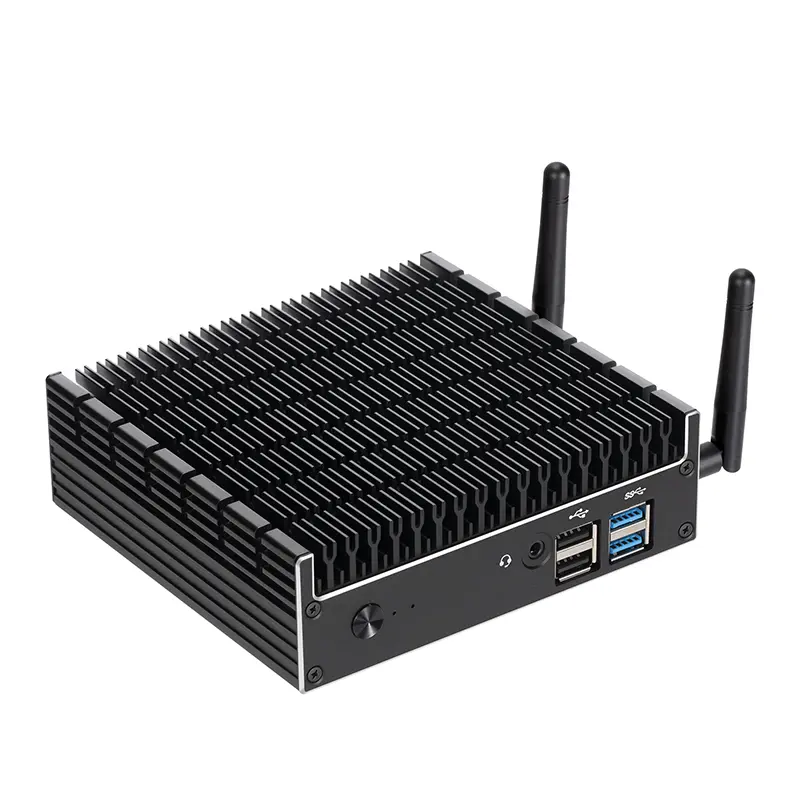 Industrial Micro PC
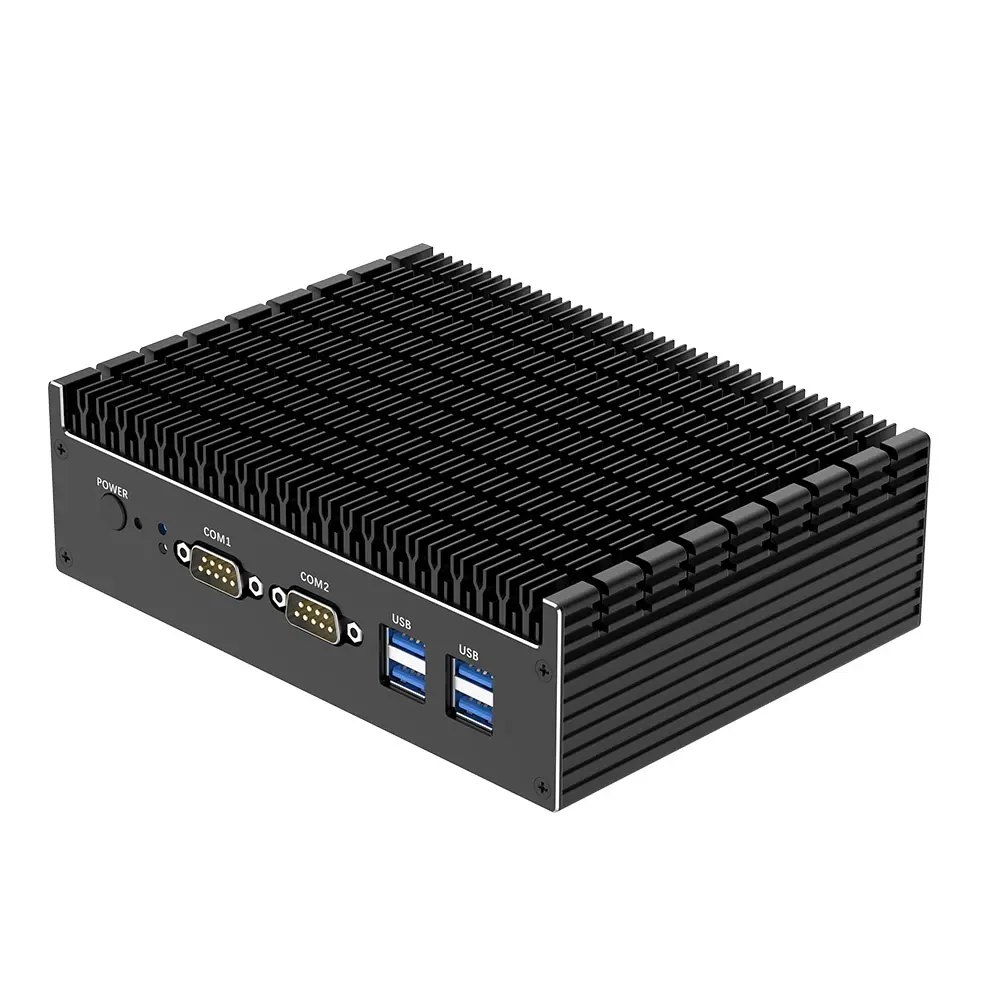 Fanless Industrial Mini PC
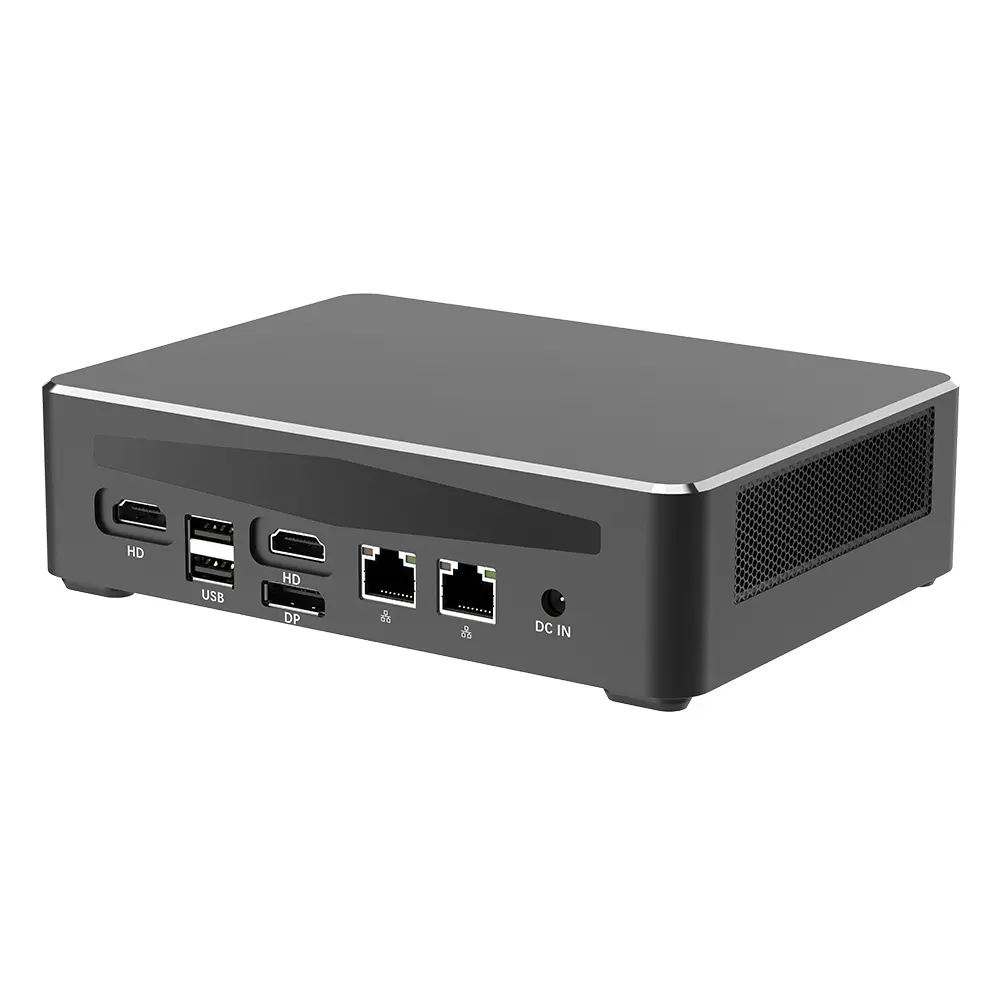 Commercial Mini PC
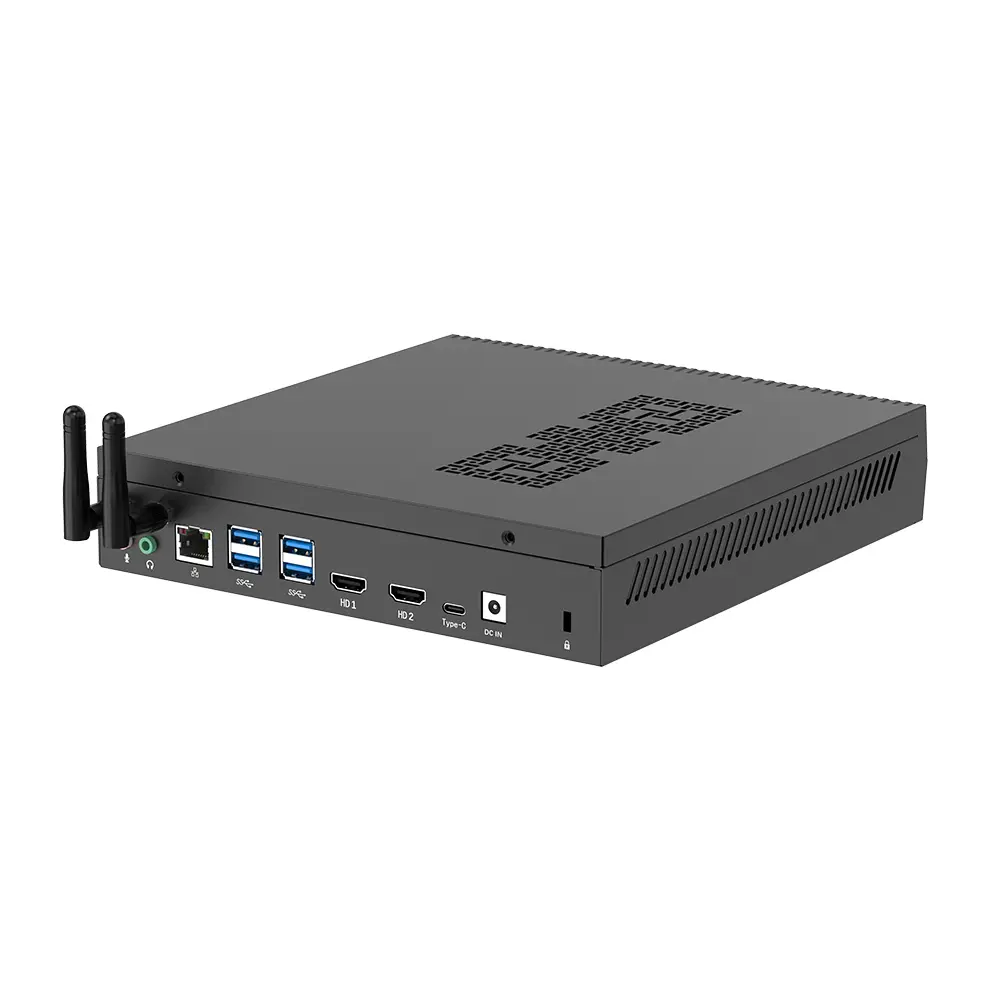 RTX3050TI Game Mini PC
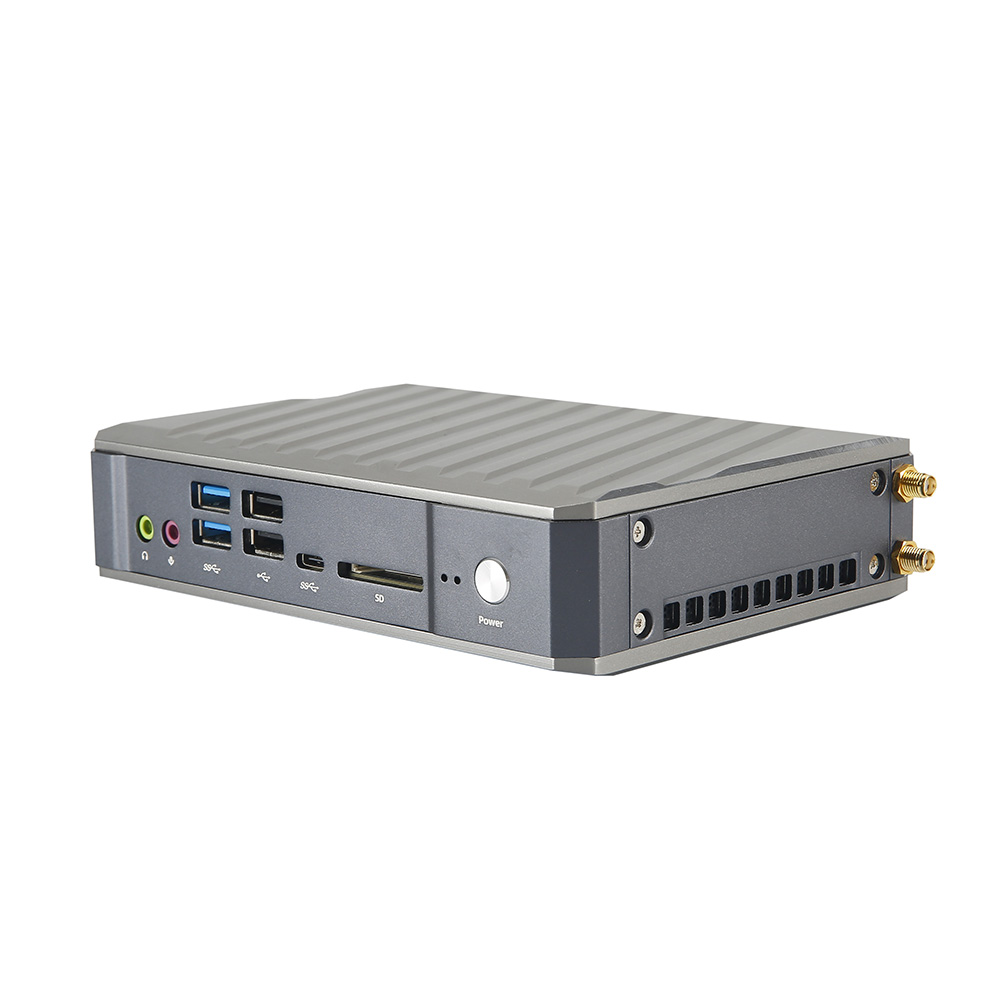 Micro Mini PC
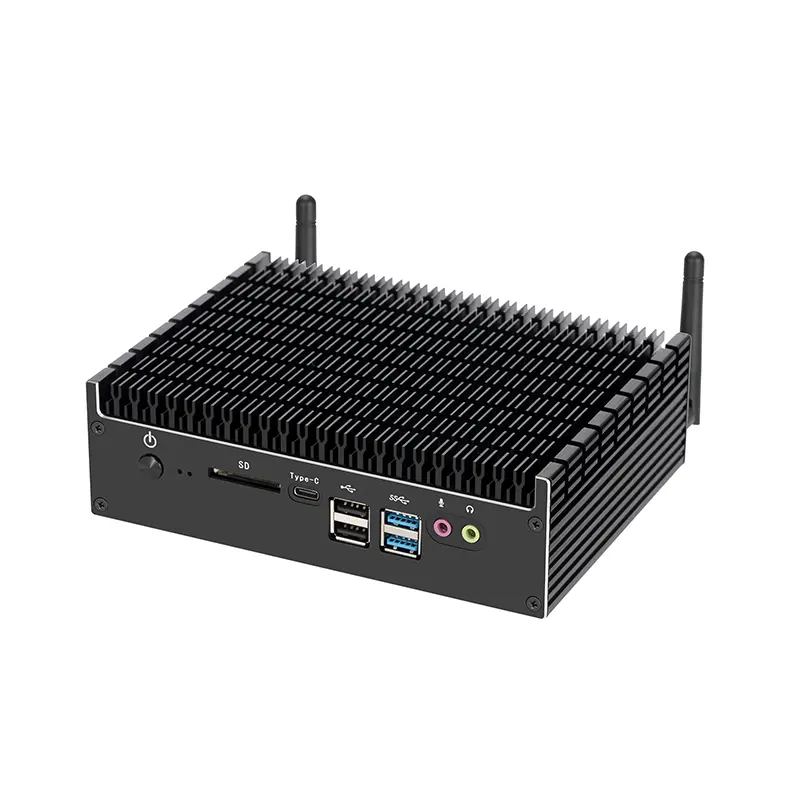 Fanless Mini PC
 High-end Mini PC
 More
More Micro ATX Computer Motherboard