7 Tips for Choosing the Best Liten Dator?
Choosing the right Liten Dator is not simply about finding the smallest machine. Size matters, but performance, cooling, connectivity, and long-term reliability matter more. A compact computer may sit quietly beside a monitor, yet its processor can struggle during video editing or large spreadsheet work. That hidden difference deserves attention.
Eben Upton, Raspberry Pi co-founder, once described the Raspberry Pi as “a credit-card sized computer that plugs into your TV and a keyboard.” His words highlight the appeal of compact computing: useful power in a surprisingly small space. However, a Liten Dator for everyday work may need more than basic portability. Look closely at processor performance, memory, storage type, operating-system support, and upgrade options. Check the ports, too. A missing USB-C connection can become frustrating quickly.
Think about your real desk. Will the computer run behind a warm monitor? Will its fan become distracting during meetings? Can you replace the storage after two years? These practical details often matter more than impressive specifications. A cheaper model may seem attractive, but weak cooling can reduce performance over time. That is an easy mistake to make.
This guide presents seven practical tips for choosing the best Liten Dator. It compares compact designs, explains realistic performance needs, and considers energy use, warranty support, and everyday comfort. No computer fits everyone. Even this advice has limits, because personal workloads differ. Still, careful comparison can prevent an expensive and inconvenient choice.
Define Your Main Uses for a Liten Dator
7 Tips for Choosing the Best Liten Dator?
Define Your Main Uses for a Liten Dator
Define your main uses before comparing any Liten Dator. A compact computer can serve very different needs. I use mine for writing, video calls, light photo editing, and travel. Each task changes the ideal screen, processor, memory, and battery capacity. Write down your normal workday, not an imagined one. This small exercise prevents expensive compromises.
If your work means emails and documents, prioritize a comfortable keyboard and a sharp 12-to-14-inch display. For coding, check memory, cooling, port selection, and external monitor support. Creative work needs stronger graphics and fast storage, but portability may suffer. Streaming and browsing require less power, although weak speakers can make daily use frustrating. Test the trackpad in person when possible. It should respond without forcing your hand into an awkward angle.
Travelers should measure more than weight. Note the charger size, hinge strength, webcam quality, and battery behavior during real calls. Battery claims often reflect controlled laboratory tests. Your results may drop with high brightness and several browser tabs. I once chose a lighter model and regretted its shallow keyboard after a week. That mistake taught me to rank daily comfort above impressive specifications. After a week, discomfort is harder to ignore than a modest performance score.
Compare Processor Performance and Energy Efficiency
7 Tips for Choosing the Best Liten Dator?
Compare Processor Performance and Energy Efficiency
A compact computer should feel quick without wasting power. Start by identifying your daily workload. Web browsing, documents, and video calls need modest processor performance. Photo editing, coding, and local data analysis require stronger multi-core capability. More cores help with parallel tasks, but clock speed still affects simple actions. Specifications can mislead. Look beyond peak numbers.
In hands-on comparisons, I check sustained performance instead of short benchmark bursts. A processor may accelerate impressively for two minutes, then slow down as heat builds. That small detail matters during long exports or large software installations. Heat matters. Observe cooling design, fan noise, and performance after twenty minutes. A slightly slower processor can feel better if it remains stable.
Energy efficiency affects more than battery life. It also reduces heat, noise, and electricity use in a small enclosure. Compare performance per watt, not performance alone. Check the processor’s power range, supported memory, and idle consumption. Efficient models often suit study areas, kitchens, and shared offices. However, efficiency ratings rarely match every workload perfectly. My own mistake was trusting a single test result. Real use revealed slower file handling than expected. Use several reviews, repeatable benchmarks, and your actual applications before deciding. A useful test includes waking the computer, opening several files, streaming video, and running a demanding task together. Small compromises may be acceptable. Unexpected slowdowns are not.
Choose the Right Memory and Storage Capacity
Choosing the right memory and storage capacity is central to a small computer’s usefulness. A compact device may look efficient on a desk, yet limited hardware becomes frustrating quickly. For everyday browsing, office documents, and video calls, 8GB of memory works, but 16GB feels safer. It keeps many browser tabs open without constant slowdowns.
Storage needs deserve closer attention. A 256GB drive can disappear after system files, applications, photos, and updates are installed. A 512GB drive offers a more comfortable starting point. Choose 1TB if you edit high-resolution media, keep large games, or work with offline research files. IDC’s DataSphere research projects global data creation and replication will exceed 180 zettabytes by 2025. Personal devices will not hold all that data, but daily files are growing.
Speed matters too. Solid-state storage usually opens applications faster than older mechanical drives. Memory cannot be replaced by storage. That mistake is common. Check whether the memory is upgradeable before buying, because some thin computers use fixed modules. A practical test helps: open your usual applications, add several browser tabs, and watch for hesitation. I often prefer extra memory over unused storage. My own choice is not perfect, though. Cloud syncing can reduce local storage pressure, but it depends on reliable internet access. Leave at least 20% of the drive empty for updates and smoother performance.
7 Tips for Choosing the Best Liten Dator: Choose the Right Memory and Storage Capacity
Memory affects how many applications can run smoothly at the same time, while storage determines how much space is available for the operating system, applications, and files. These common capacity guidelines can help match a compact computer to its intended workload.
Check Size, Ports, Connectivity, and Upgrade Options
7 Tips for Choosing the Best Liten Dator?
A small computer should fit your routine, not only your desk. Measure your workspace, bag, and preferred screen distance before choosing a model. A 12- to 14-inch display often balances portability and comfortable reading. Check weight with the charger included. That detail is easy to miss. I once chose a very light computer, then carried a bulky adapter everywhere.
Ports deserve practical attention. Count the devices you use daily, including a mouse, external drive, monitor, headset, and memory card. A USB-C port may support charging, data, or display output, but not always all three. Read the technical specifications carefully. HDMI can simplify presentation work, while a fast USB port helps move large video files. An inexpensive hub can help, though it adds cable clutter and another item to lose.
Connectivity affects real productivity. Look for current Wi-Fi support and stable Bluetooth performance, especially if you work in crowded offices. Test wireless range when possible. Upgrade options matter too. Confirm whether memory is replaceable or soldered, and check if the storage drive uses a standard slot. Easy access panels can extend a computer’s useful life. Still, upgrade claims can be optimistic; cooling limits may prevent meaningful performance gains. My own shortlist once ignored this point, and the extra memory changed less than expected. Examine repair documentation, warranty terms, and available replacement parts before deciding.
Evaluate Operating System, Price, Warranty, and Support
7 Tips for Choosing the Best Liten Dator?
Evaluate Operating System, Price, Warranty, and Support
A suitable liten dator should match your daily software, not just your desk space. Check whether the operating system supports your work apps, accessories, and security tools. I once chose a cheaper computer that could not run a necessary writing program smoothly. That mistake cost more time than expected. Also examine update policies, privacy controls, and how easily the system can restore files.
Look beyond the advertised price. Include storage upgrades, a useful charger, protective equipment, and possible repair costs. A bright screen and quiet keyboard may matter more than a small discount. Compare several configurations with the same memory and storage. Otherwise, the comparison becomes misleading. Check return conditions carefully, especially when buying online.
Warranty language deserves patient reading. Confirm its length, covered components, shipping responsibility, and exclusions for batteries or accidental damage. Keep your receipt and record the serial information securely. Support quality is equally practical. Test whether help is available by phone, email, or live chat before purchasing. Look for clear manuals, driver downloads, repair instructions, and realistic response times. User reviews can reveal recurring faults, but they should not replace technical evidence. I sometimes trust attractive specifications too quickly. A second check from an independent testing source is wiser, even when the computer seems perfect.

 14 Inch Office Notebook
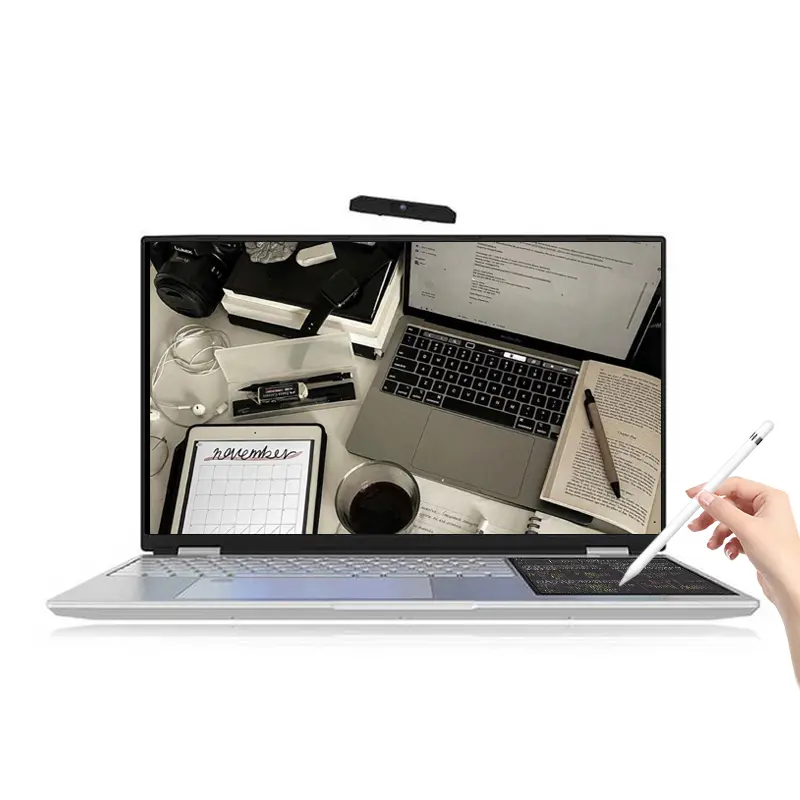 Dual Screen Laptop
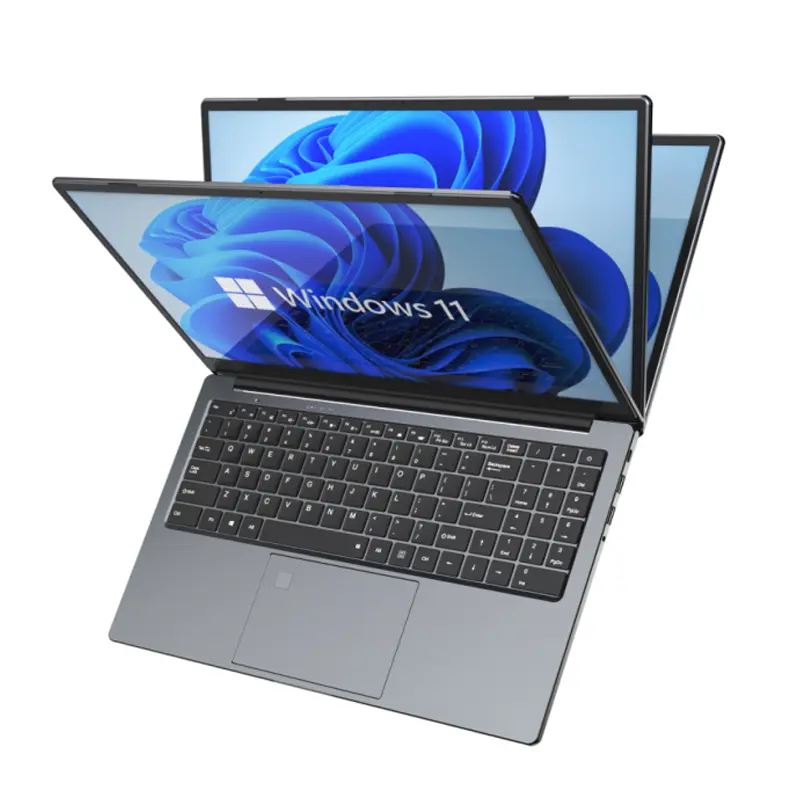 Fingerprint Business Notebook
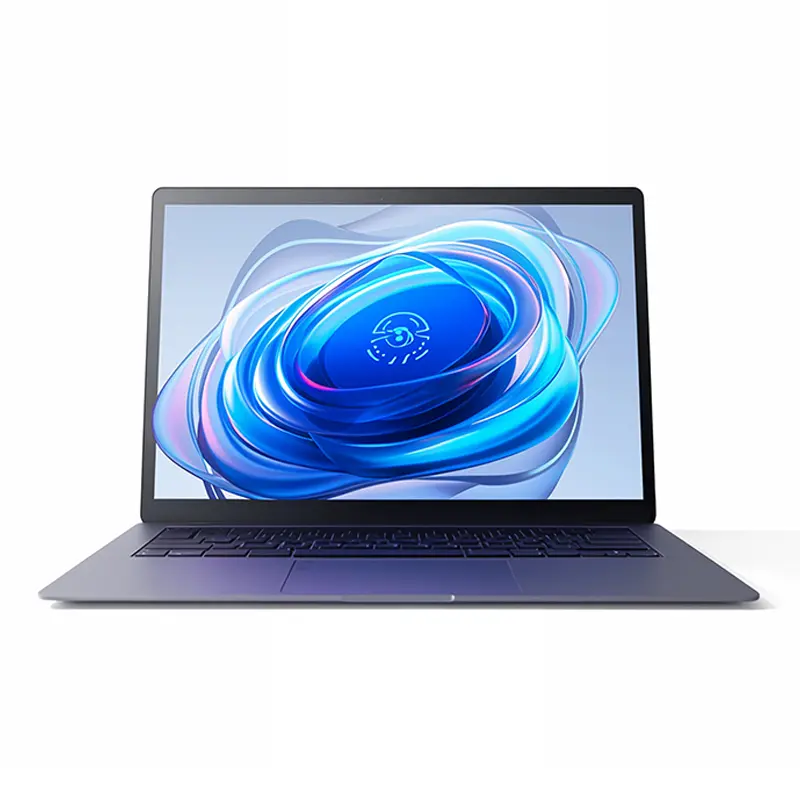 Big Screen Laptop
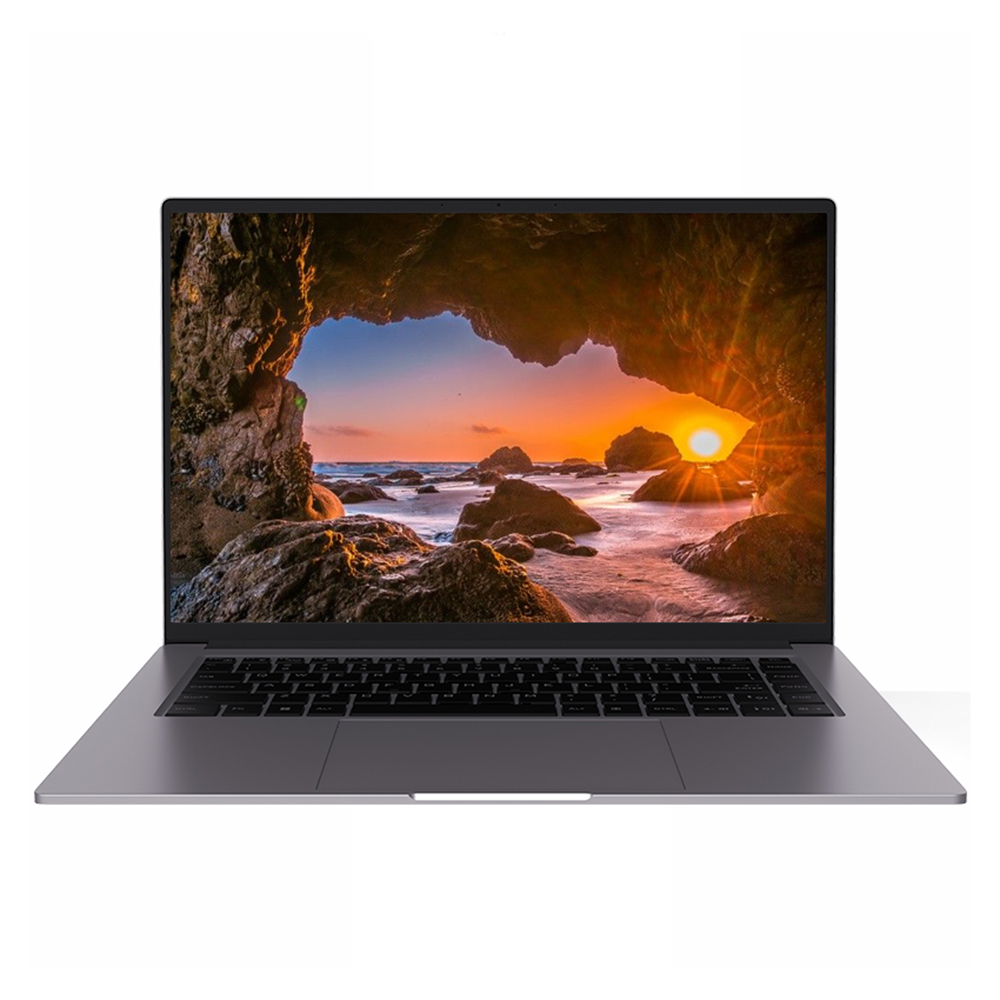 HD Gaming Laptop
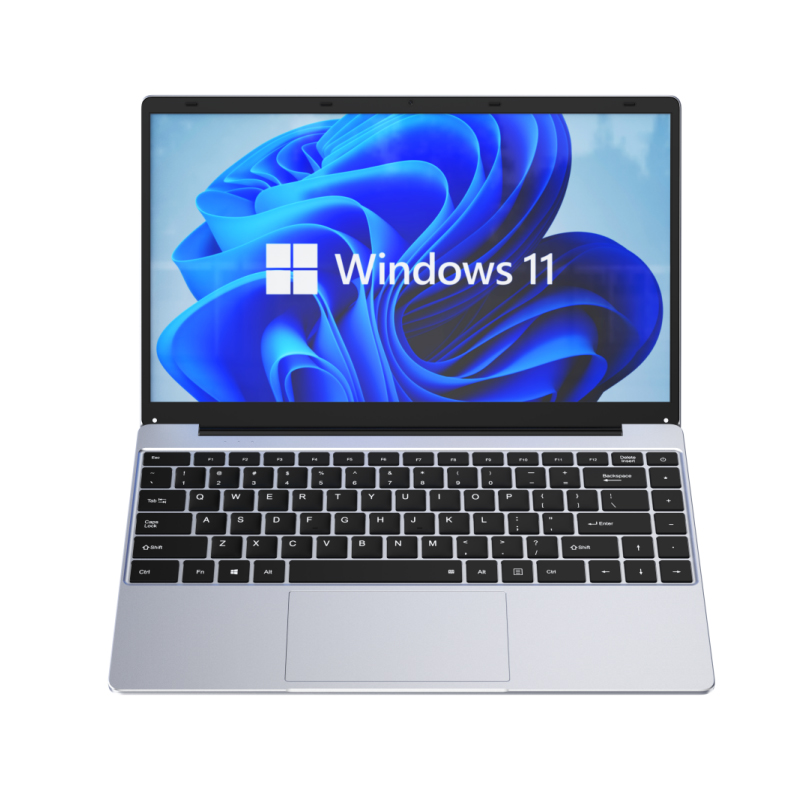 14.1 Inch Student laptops
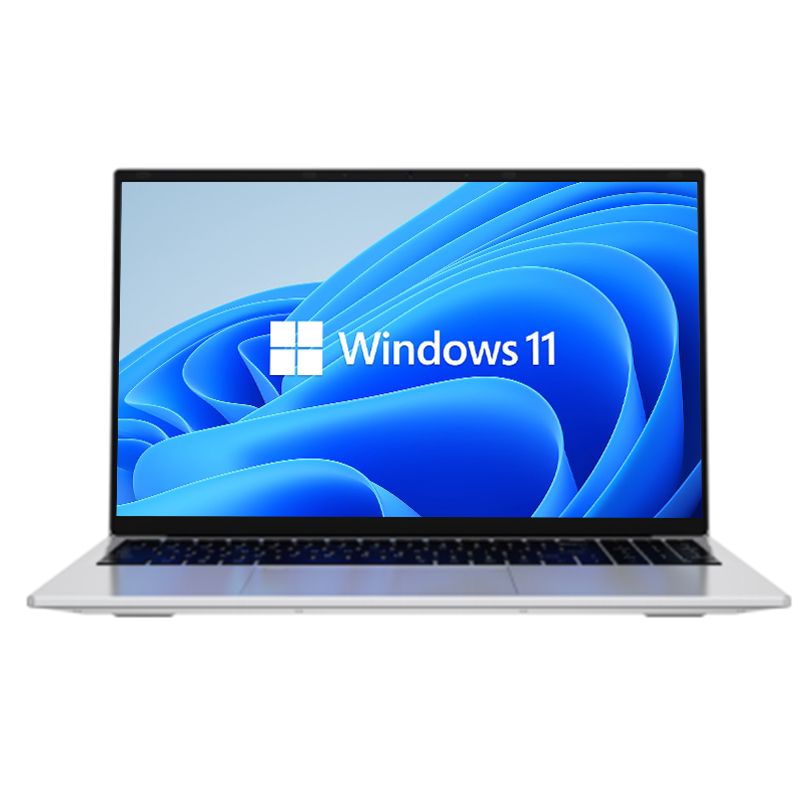 16.1 Inch Office Laptops
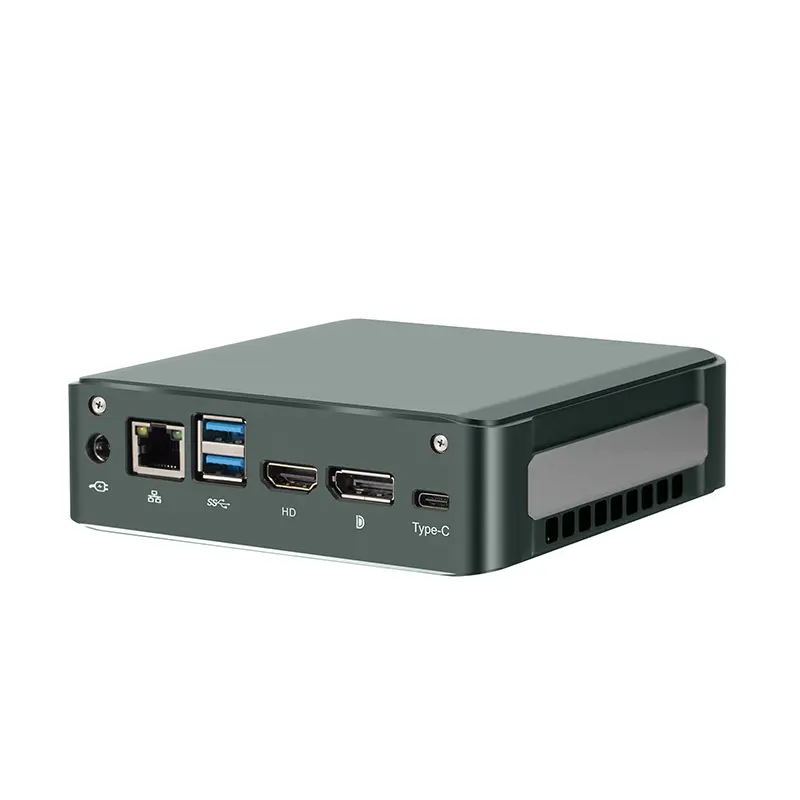 Home Mini Host
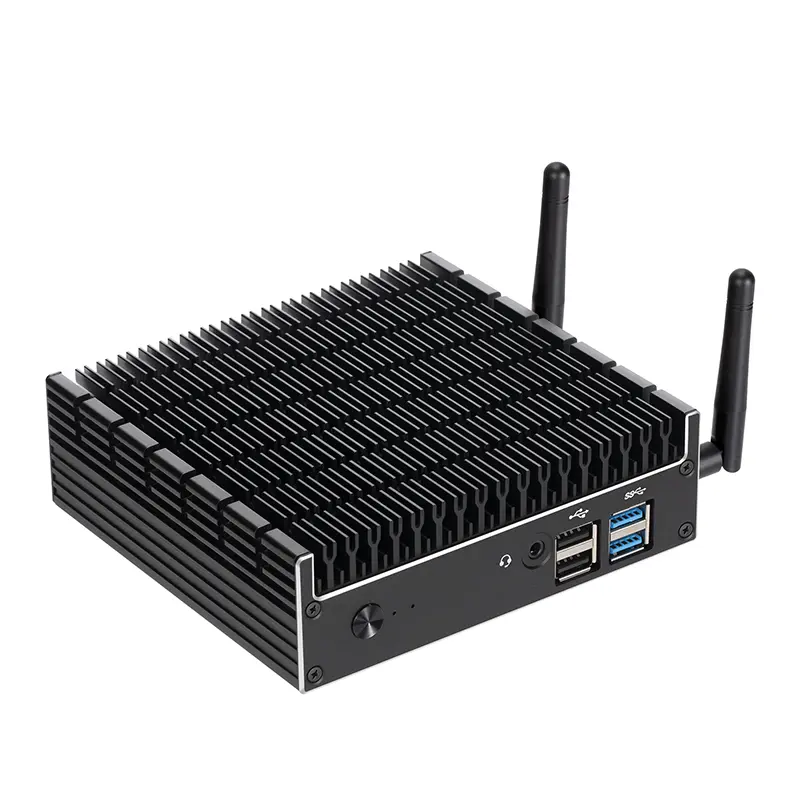 Industrial Micro PC
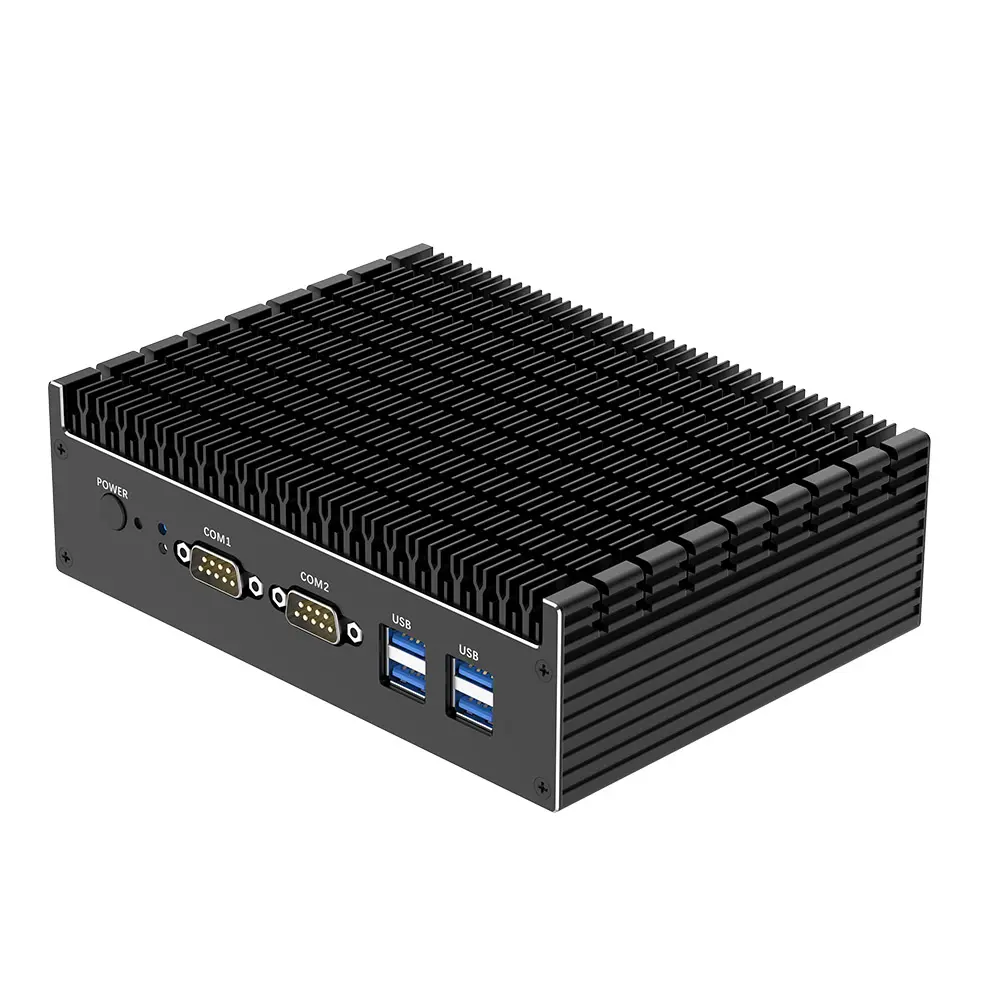 Fanless Industrial Mini PC
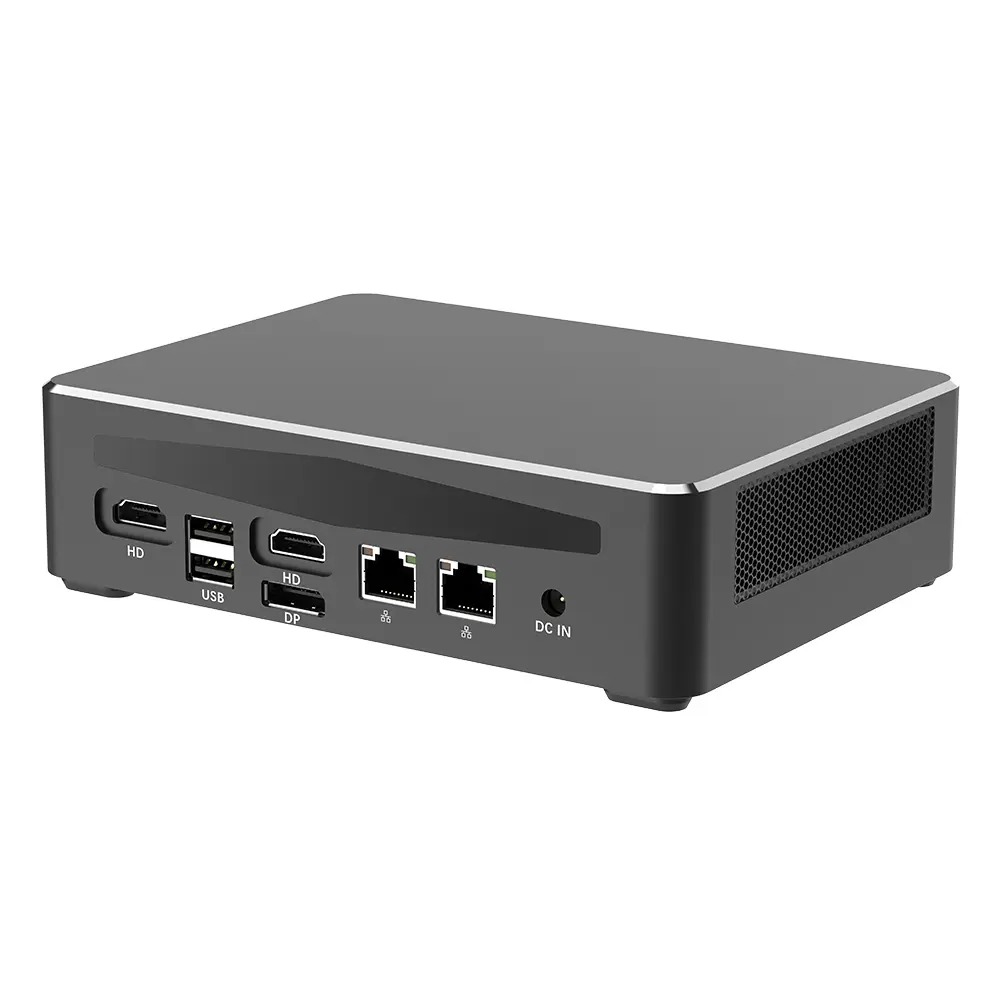 Commercial Mini PC
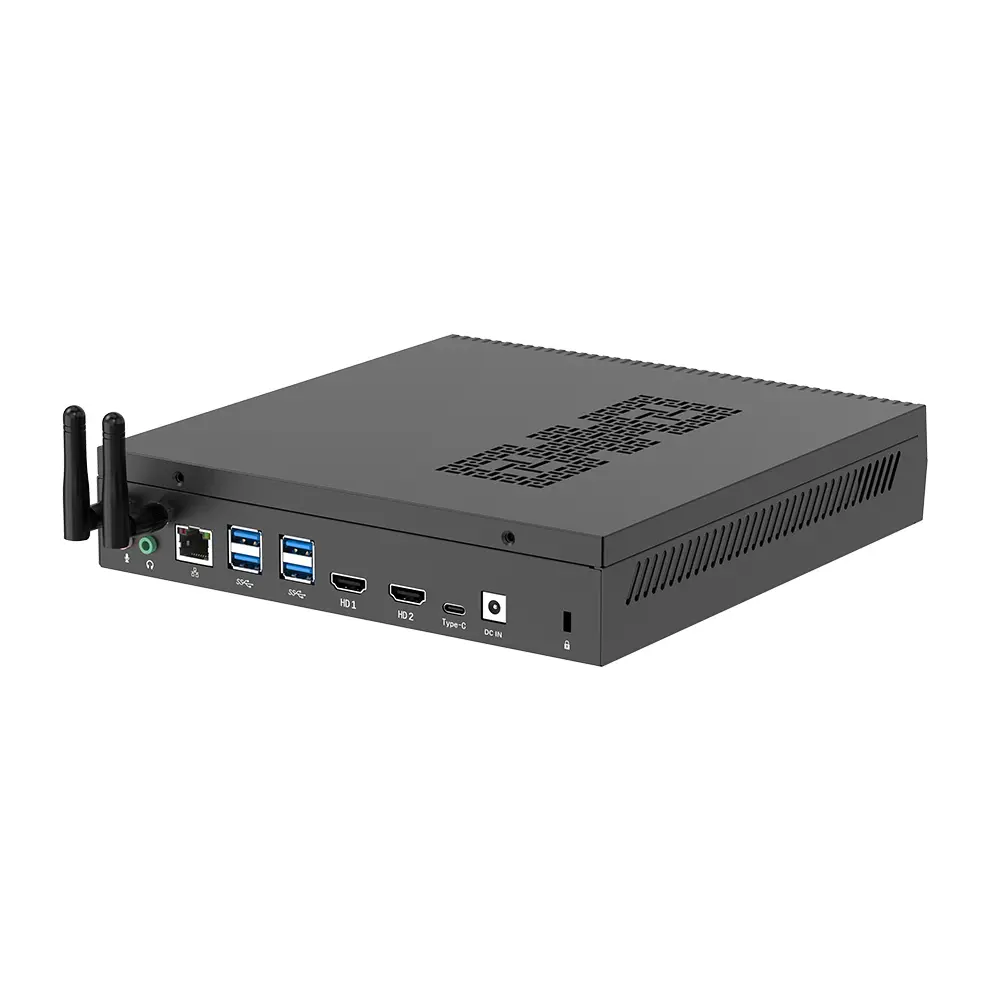 RTX3050TI Game Mini PC
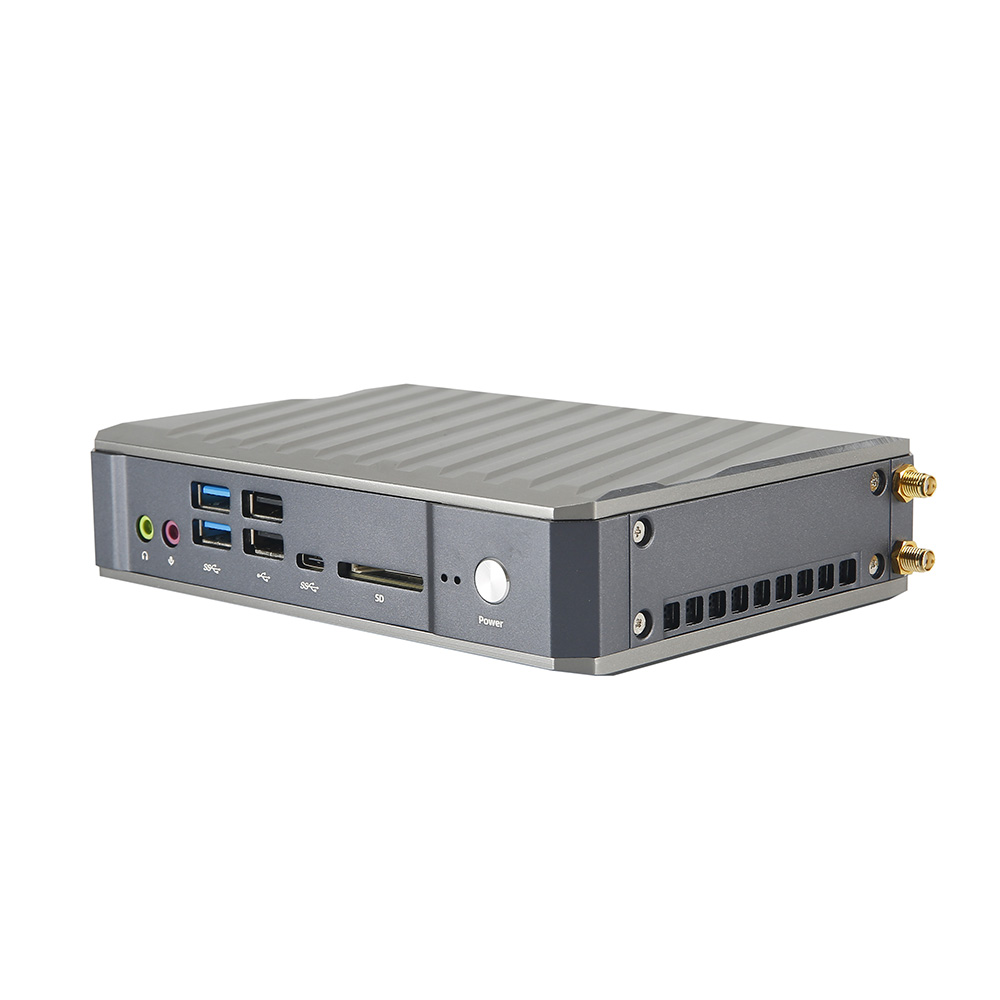 Micro Mini PC
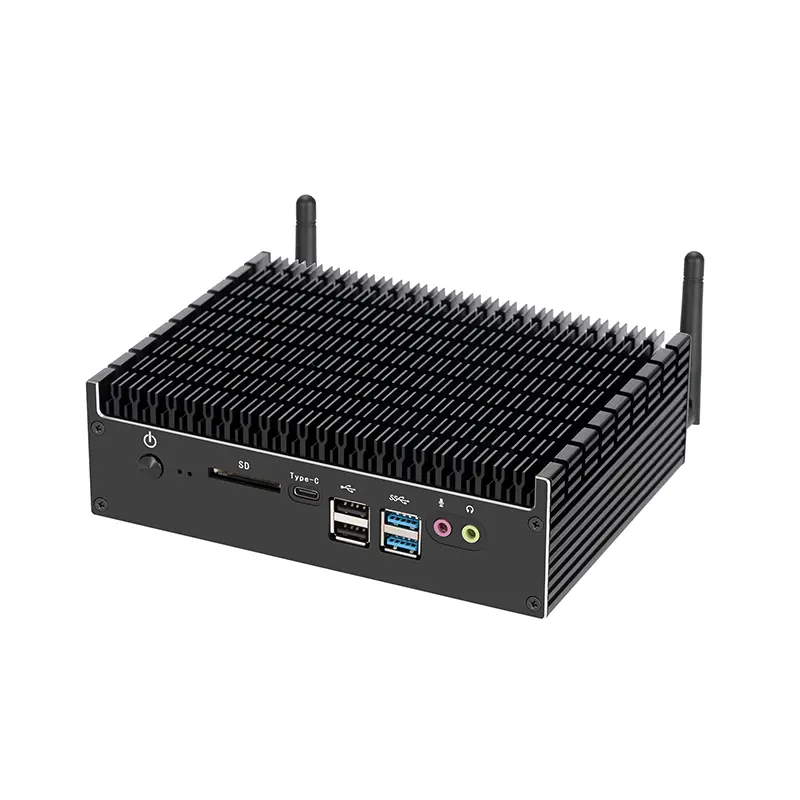 Fanless Mini PC
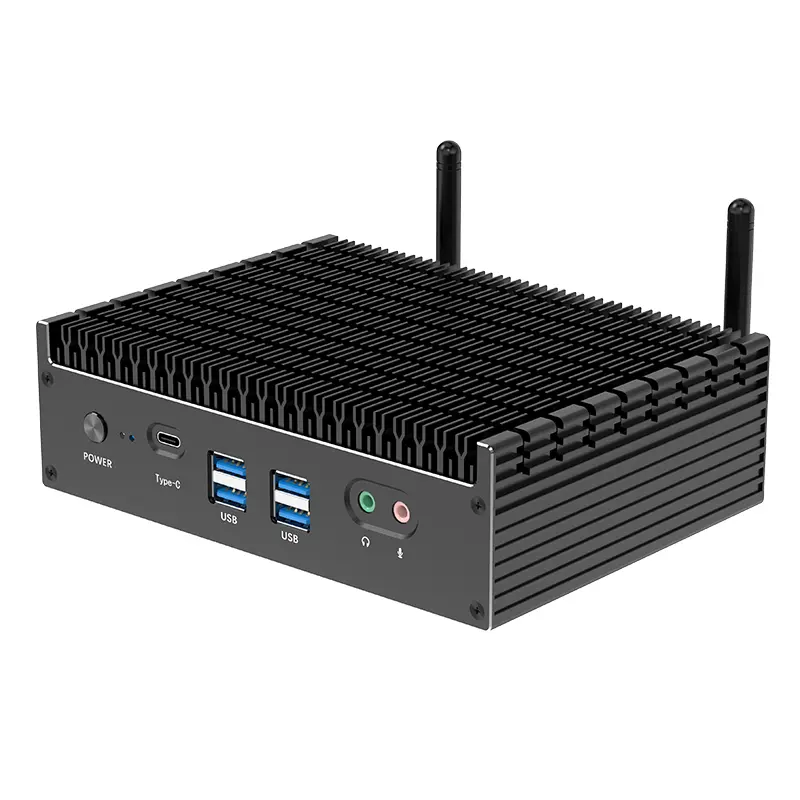 High-end Mini PC
 More
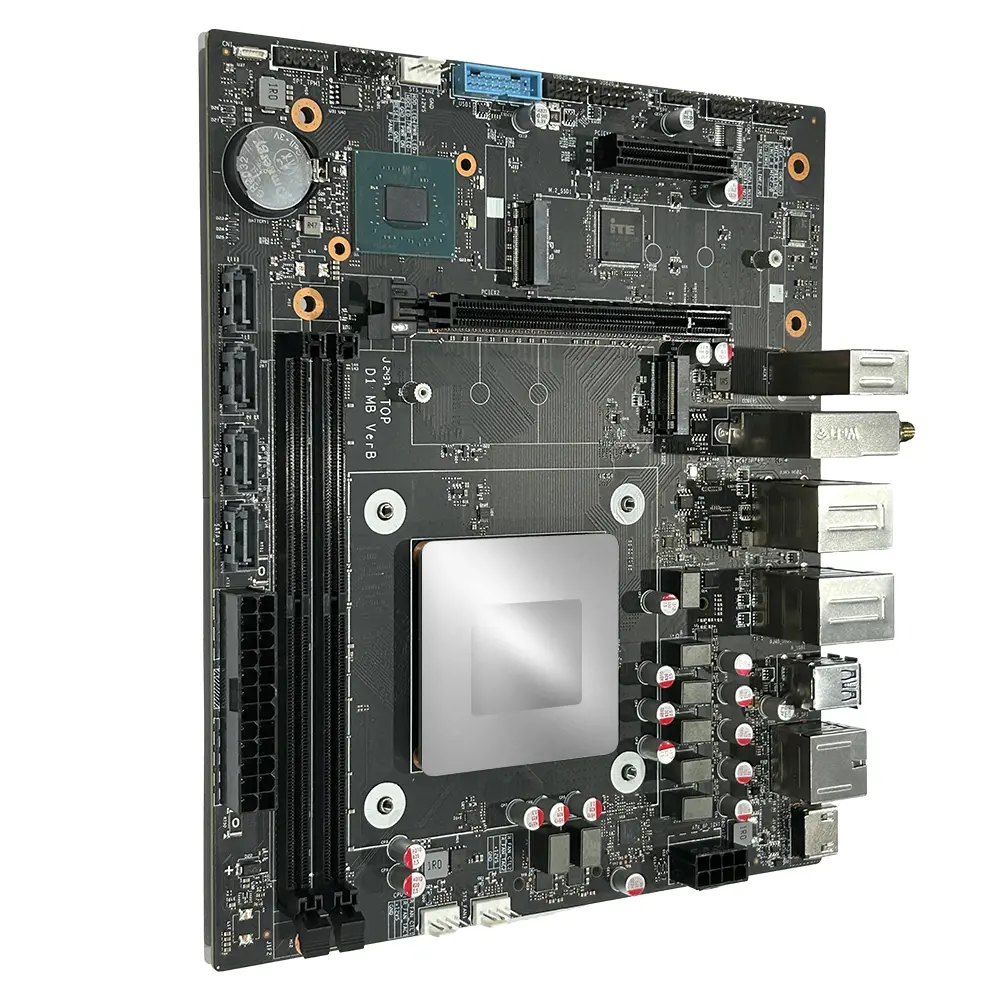 Micro ATX Computer Motherboard